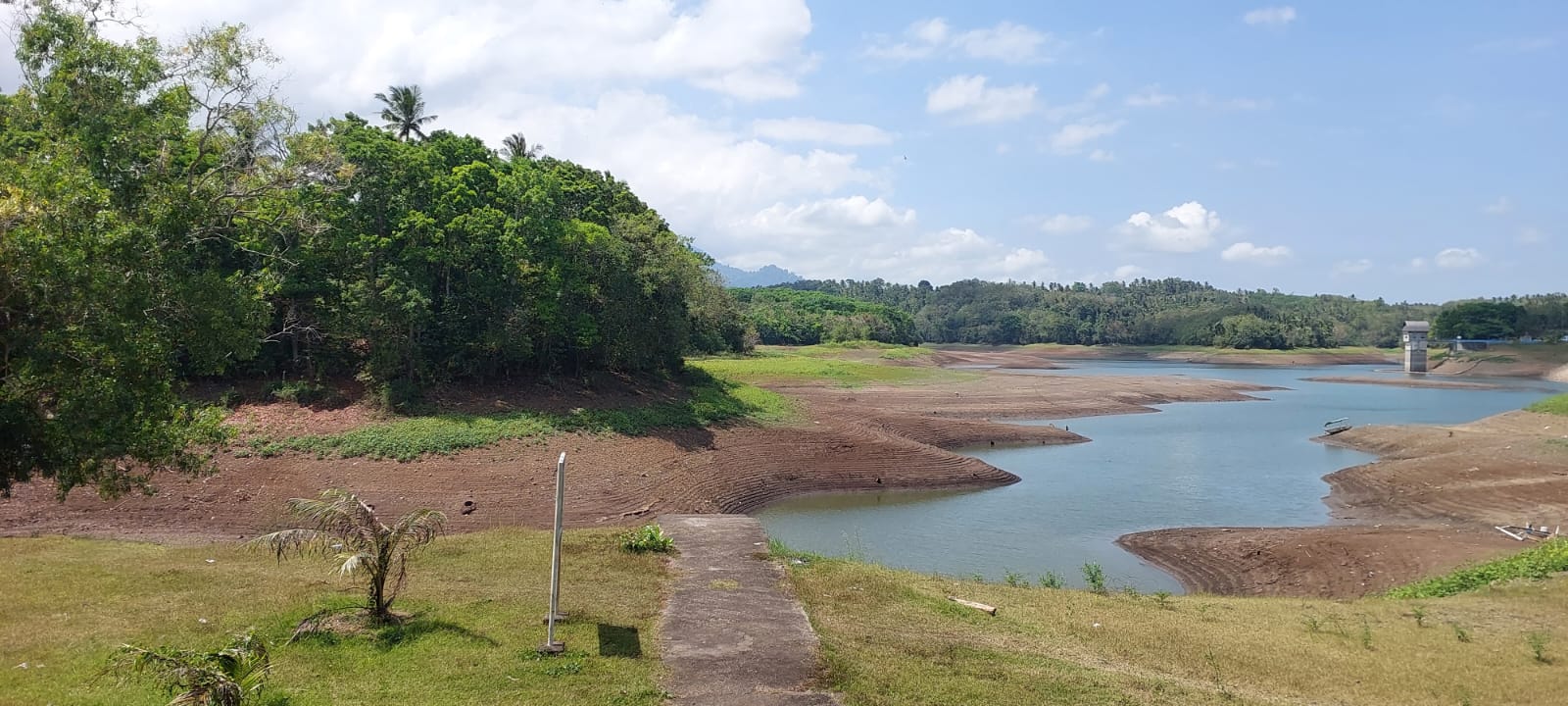
Amlapura

October 16, 2009

Amlapura

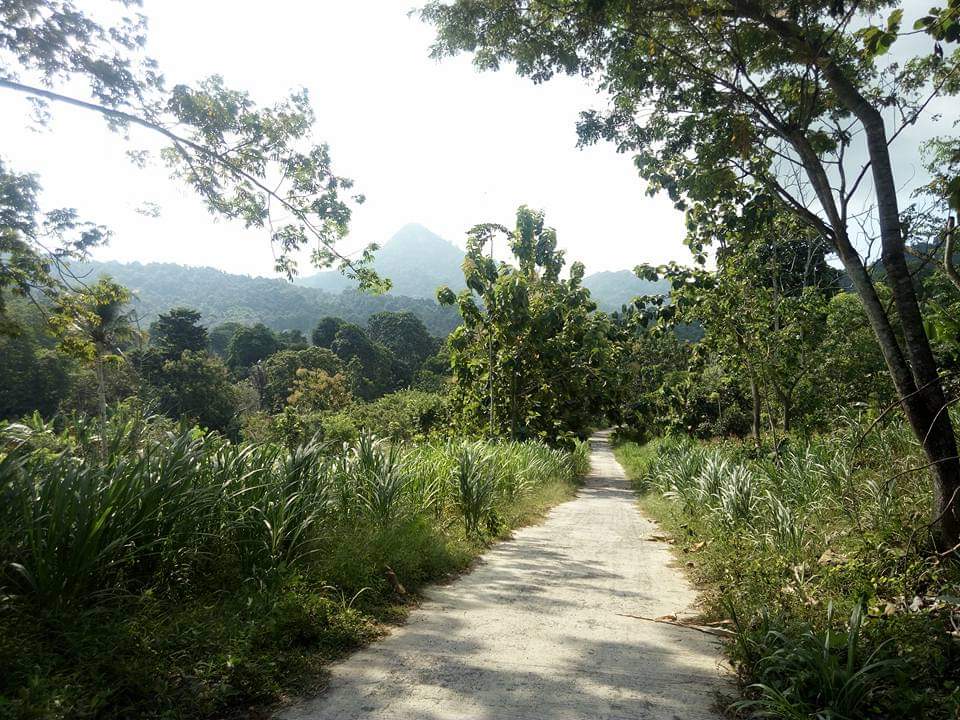
Amlapura is east Bali’s major transport terminal and so, well connected to all parts of Bali. It was known as Karangasem until 1963, when the mighty Agung volcano unfortunately, erupted with spectacular force and even more spectacular damage. So, Karangasem underwent a name change and was “reborn” as Amlapura to rid itself of any “unlucky” association, which might provoke a much-feared recurrence. The old Puri Agung Karangasem Palace was once the seat of the past King of Karangasem. The visitors can walk around the old palace. The ruins of the Taman Ujung water Palace are conveniently located 3km south of Amlapura. When visiting Amlapura, it is best to stay at Tirta Gangga, not because of any spectacular eruptions, but for the sake of comfort and luxury.

The main attraction of Amlapura is its traditional palaces or puri. There is a western, a northern, a southern and an eastern puri as well as several others, all still occupied by members of the royal family. Of these, only the Puri Kangin (the eastern palace) on the main road to the market is easily visited. This is worth a look, as it gives a vivid impression of how local royals used to live. The palace buildings themselves are in fact an eccentric blend of Chinese and European details set in what is essentially a traditional Balinese compound with several pavilions and room surrounded by pools and connected by walk ways. The main hall is called the “Bale London” and the furniture curiously bears the crest of the British royal family. One can even rent rooms here the perfect accommodation for the aspiring aristocrat.

Trunyan

October 16, 2009

Trunyan

Trunyan is another ancient village inhabited by people who call themselves the “Bali Aga” or old Bali who live in ways that are vastly different from other Balinese. The Bali Aga’s temple in this village is named Puser Jagat, meaning Navel of the Universe. Its architecture is highly unusual, and stands in the protective shade of a massive banyan tree.

The Bali Aga has a strange way of burial. Instead of cremating their corpses, the Bali Aga simply places them under this banyan tree. The odor is mysteriously masked by a special arboreal fragrance emitted by the banyan tree.

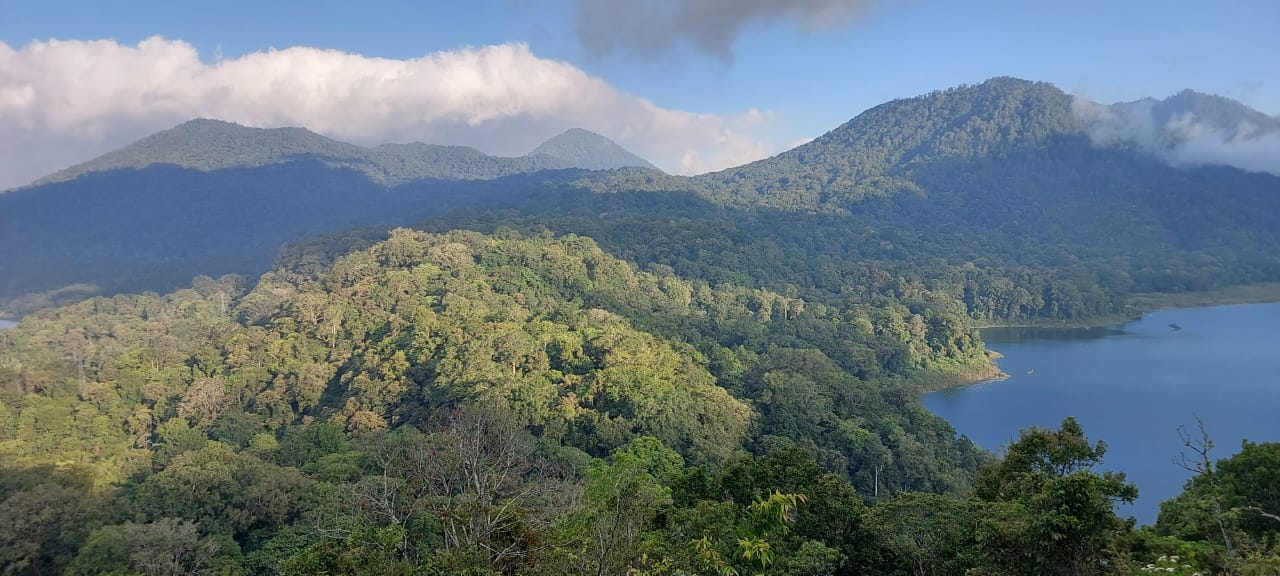
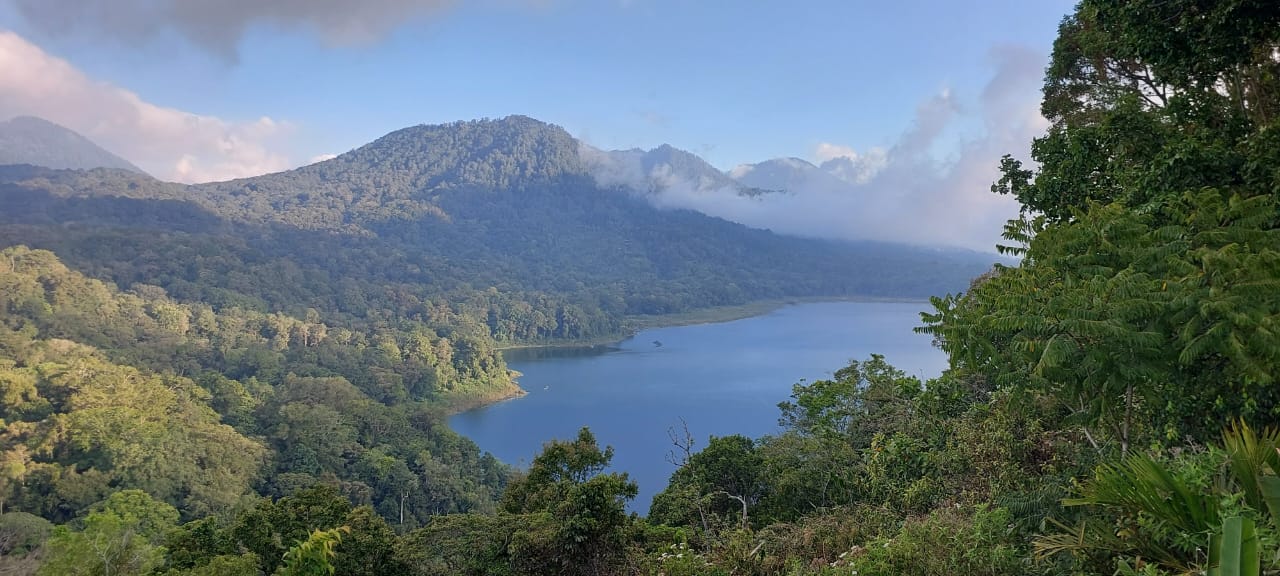
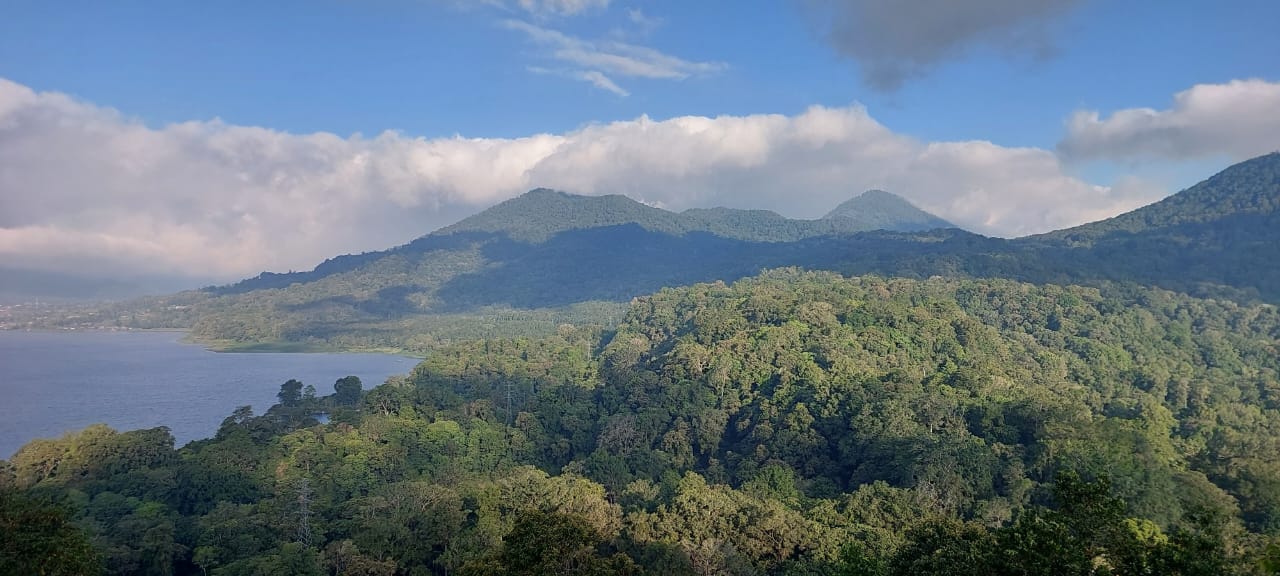
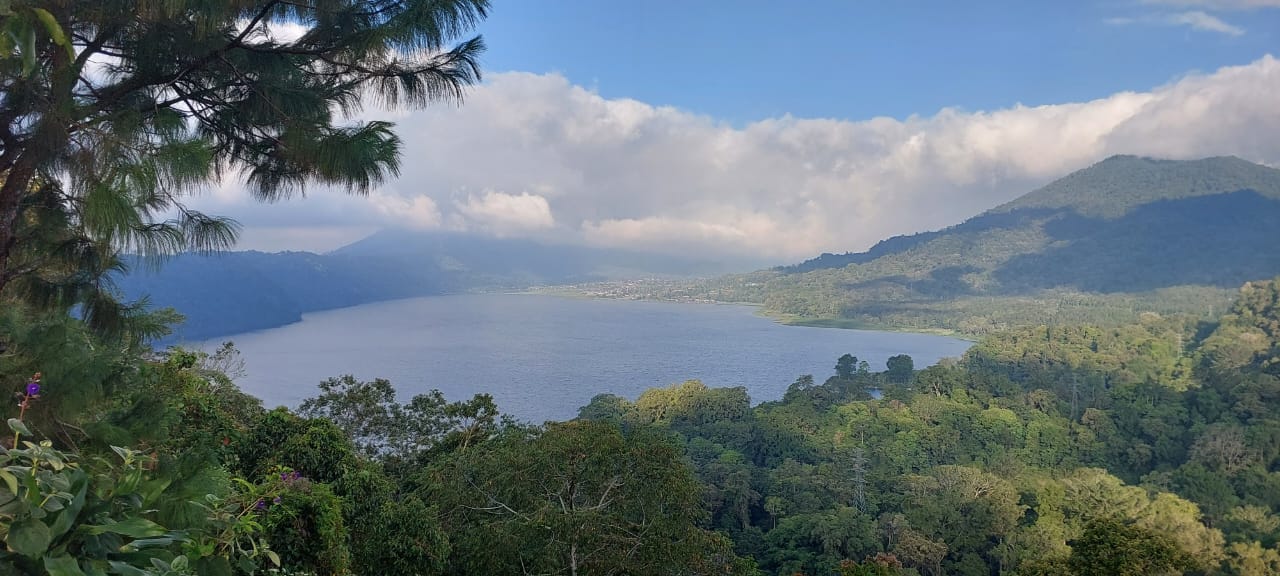
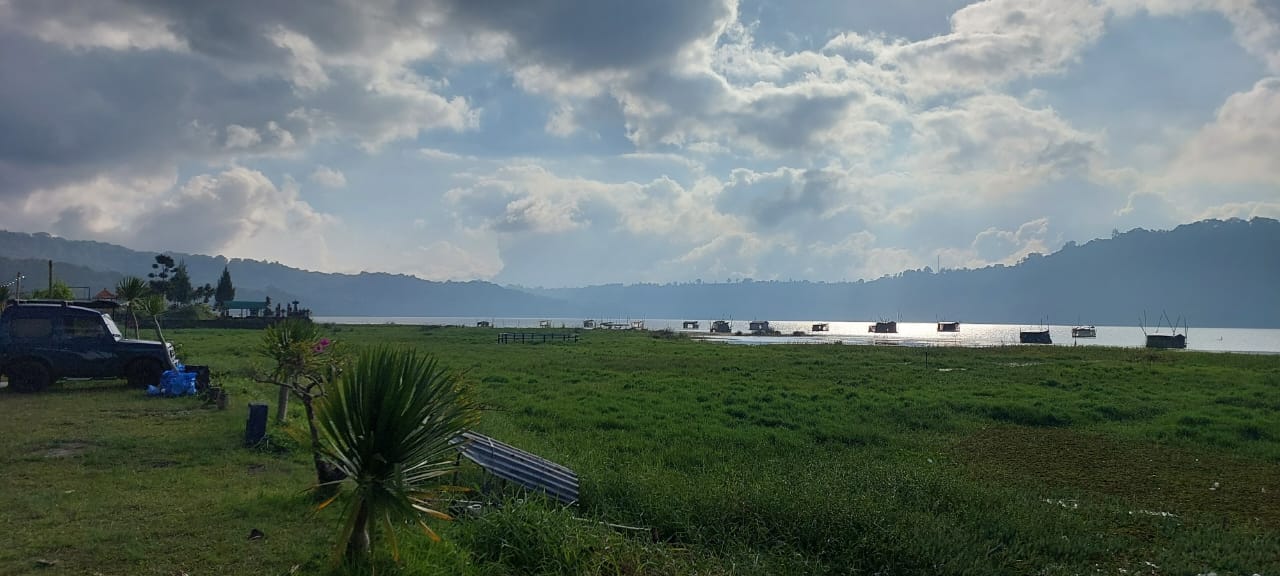
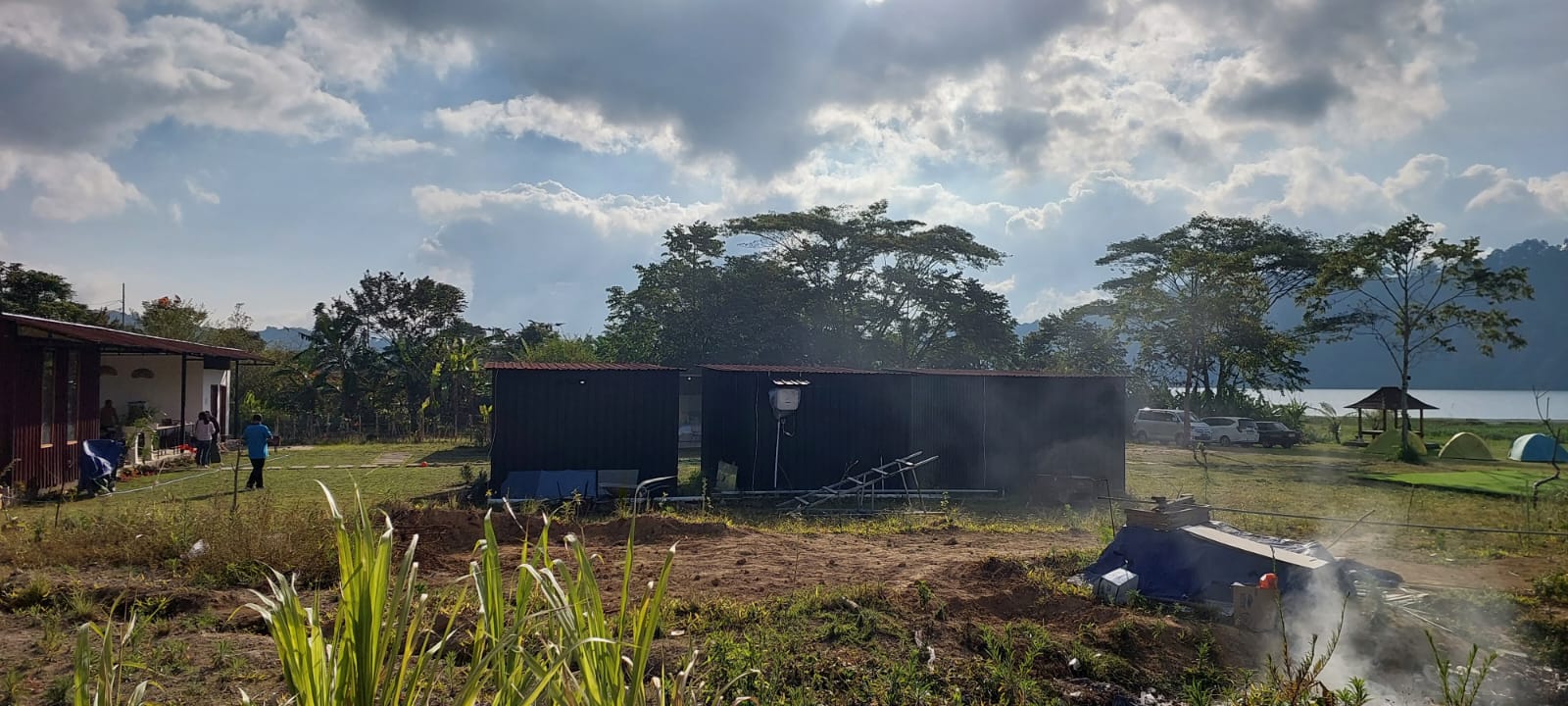
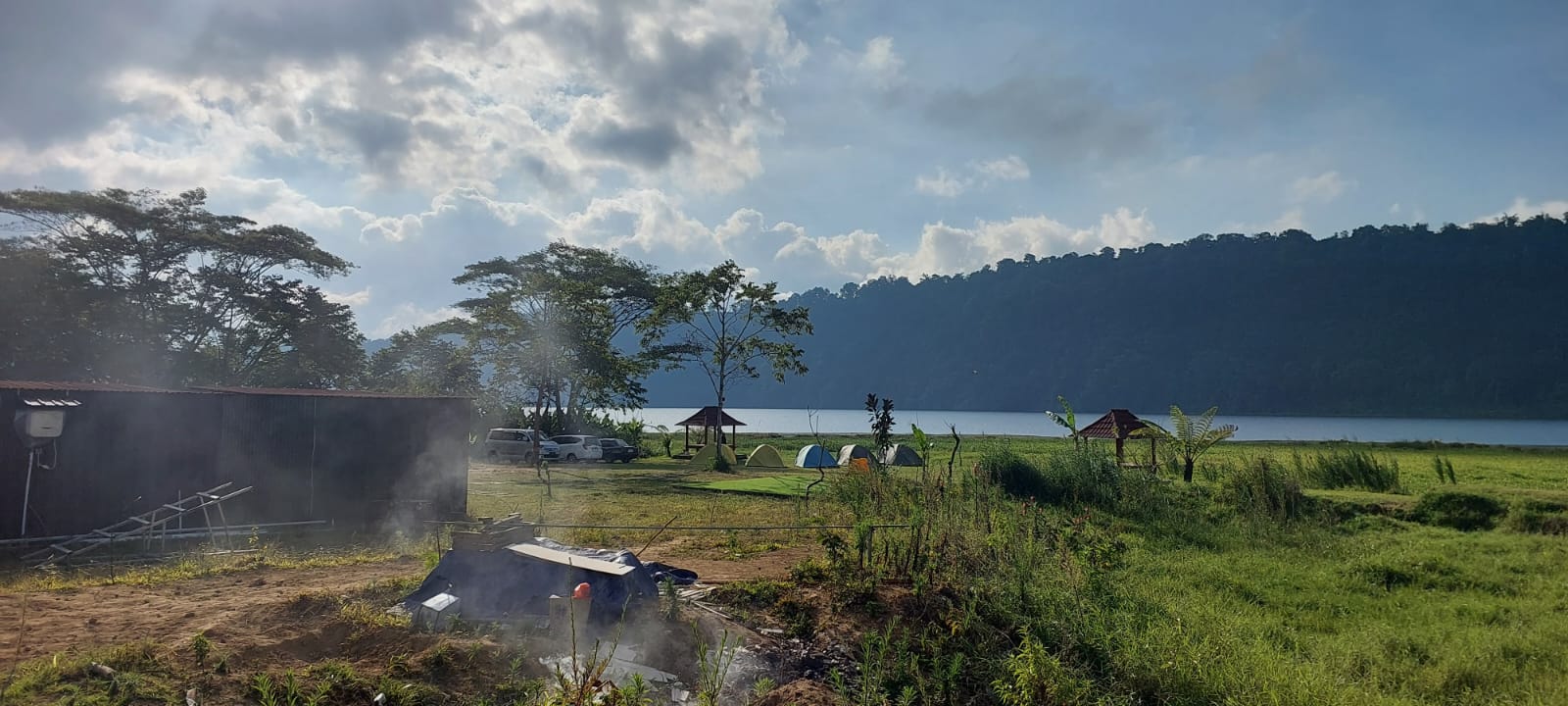
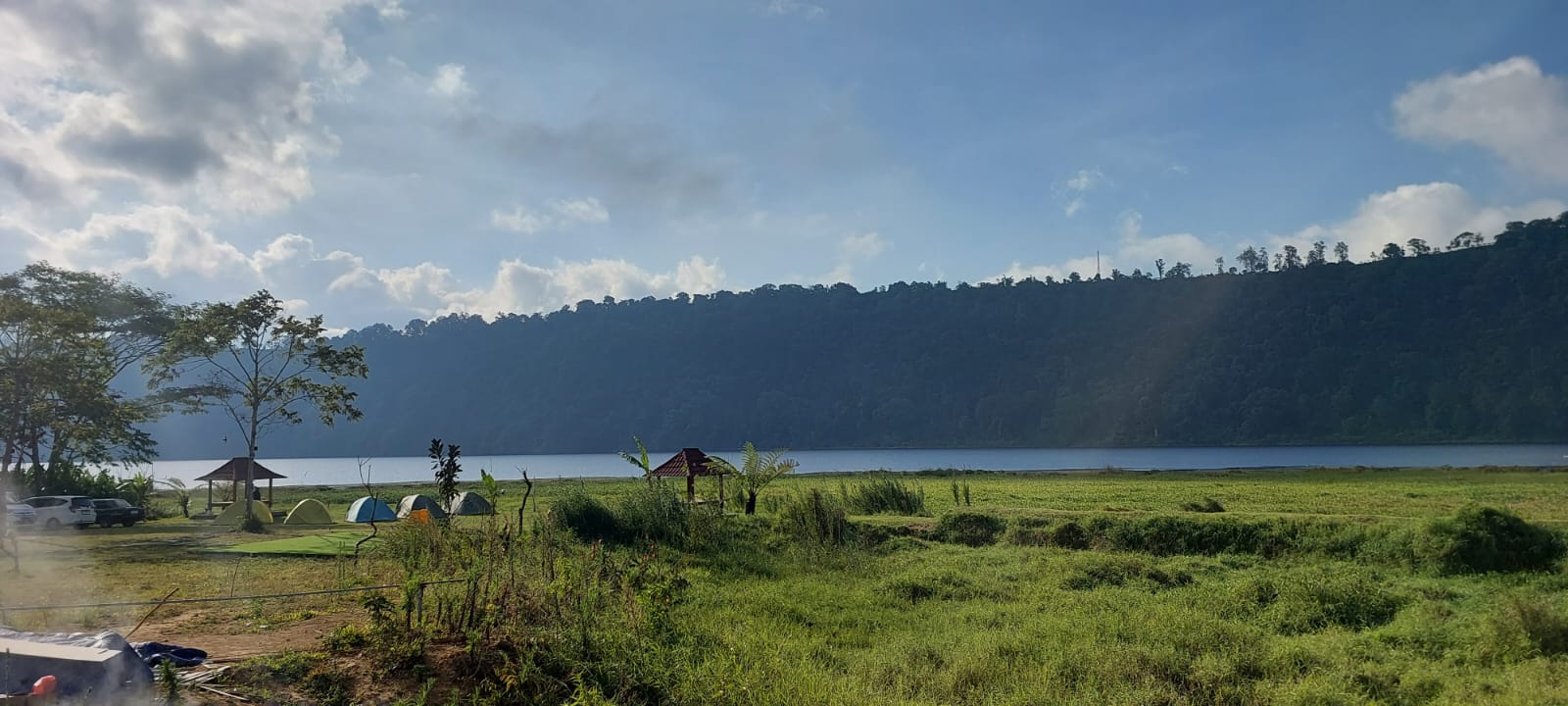
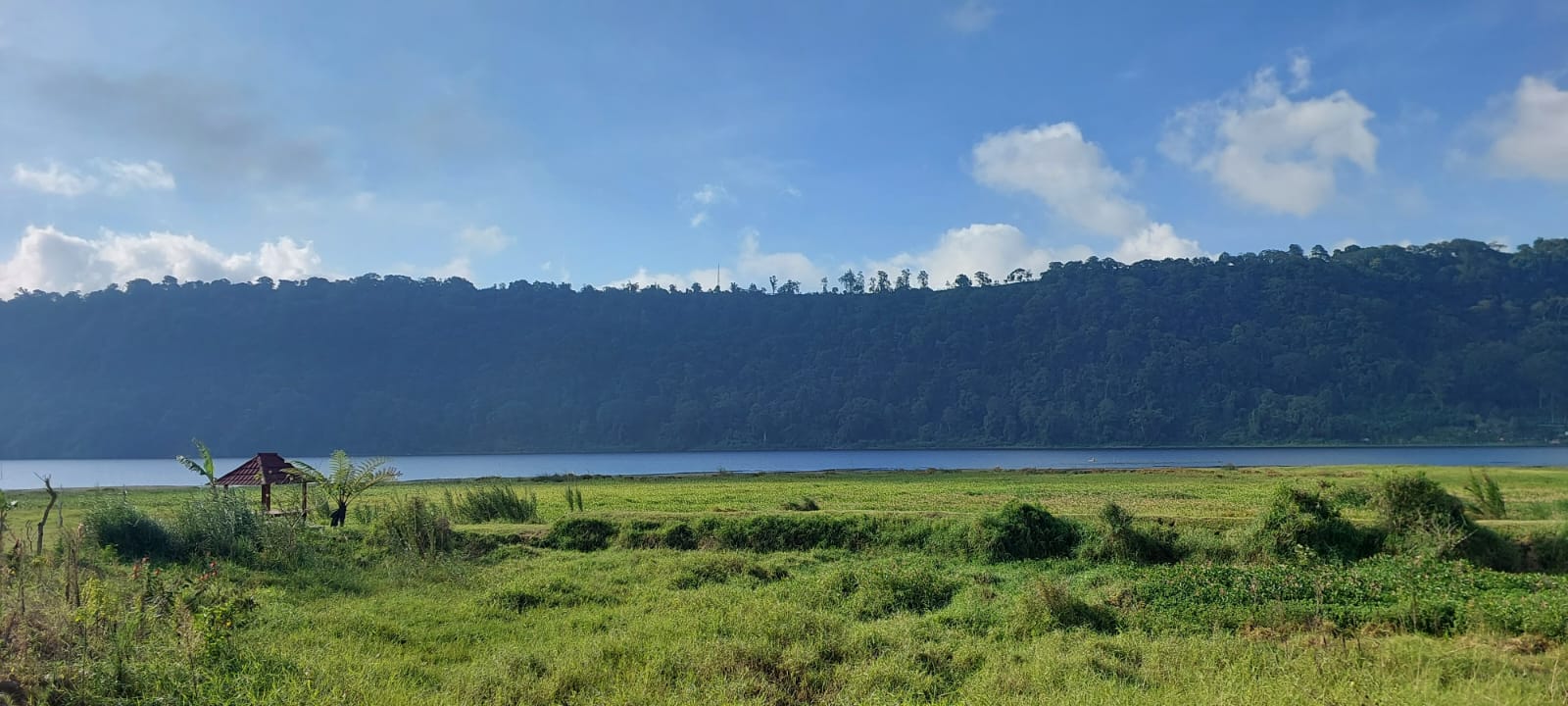
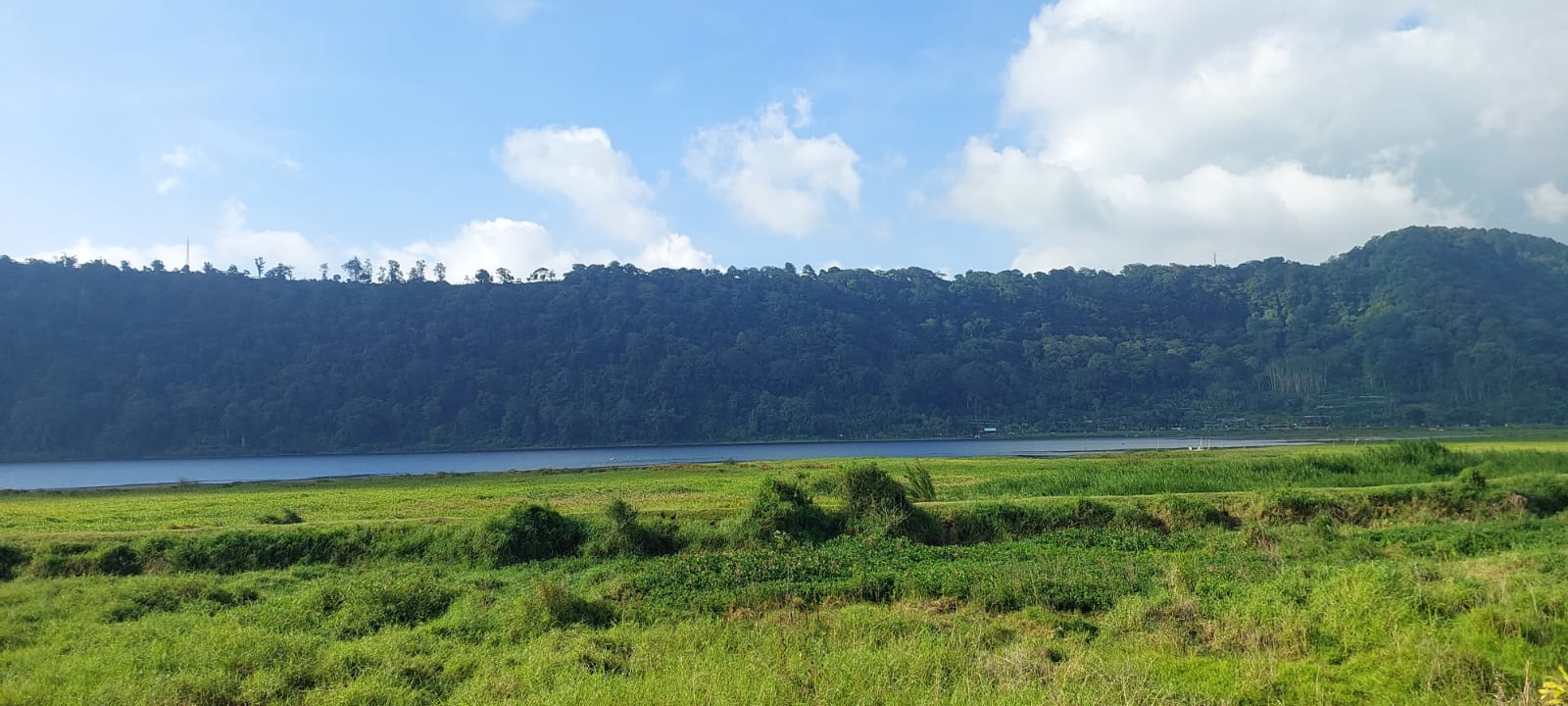
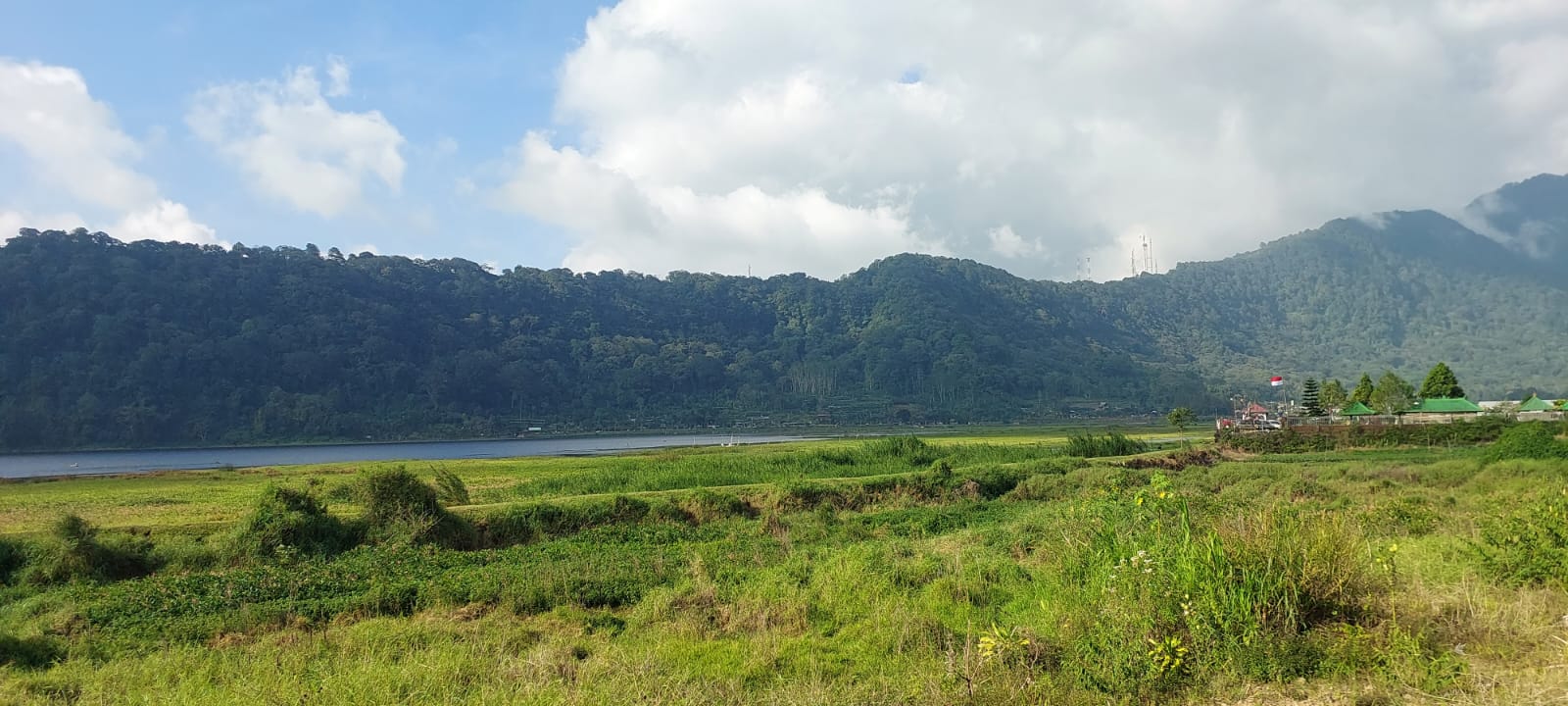
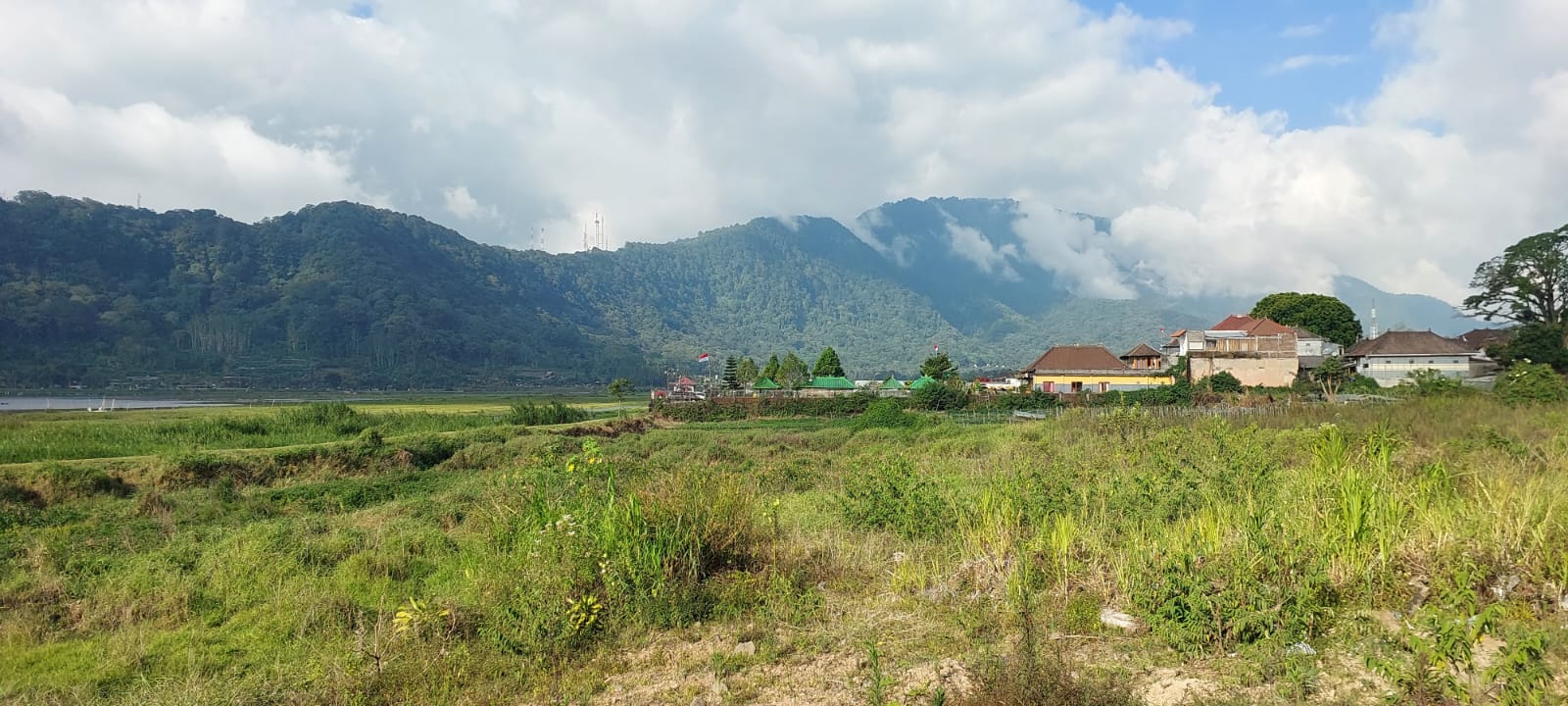
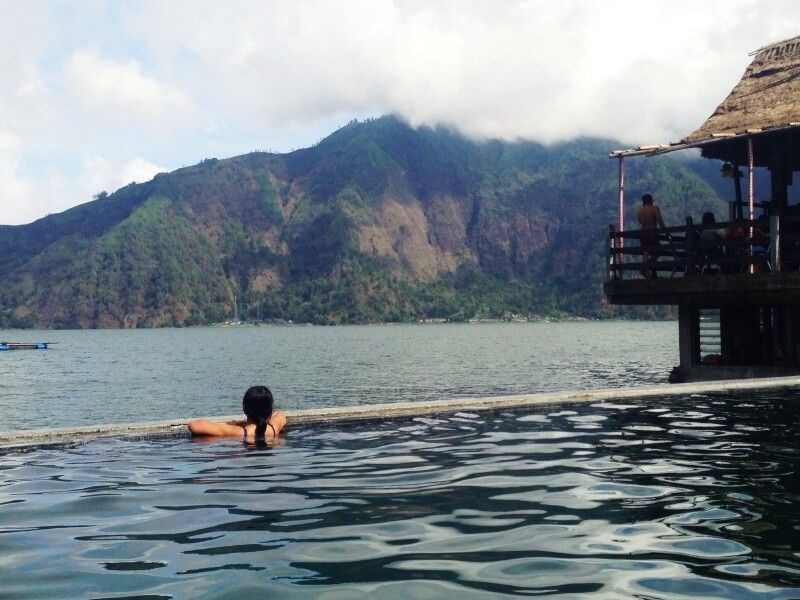
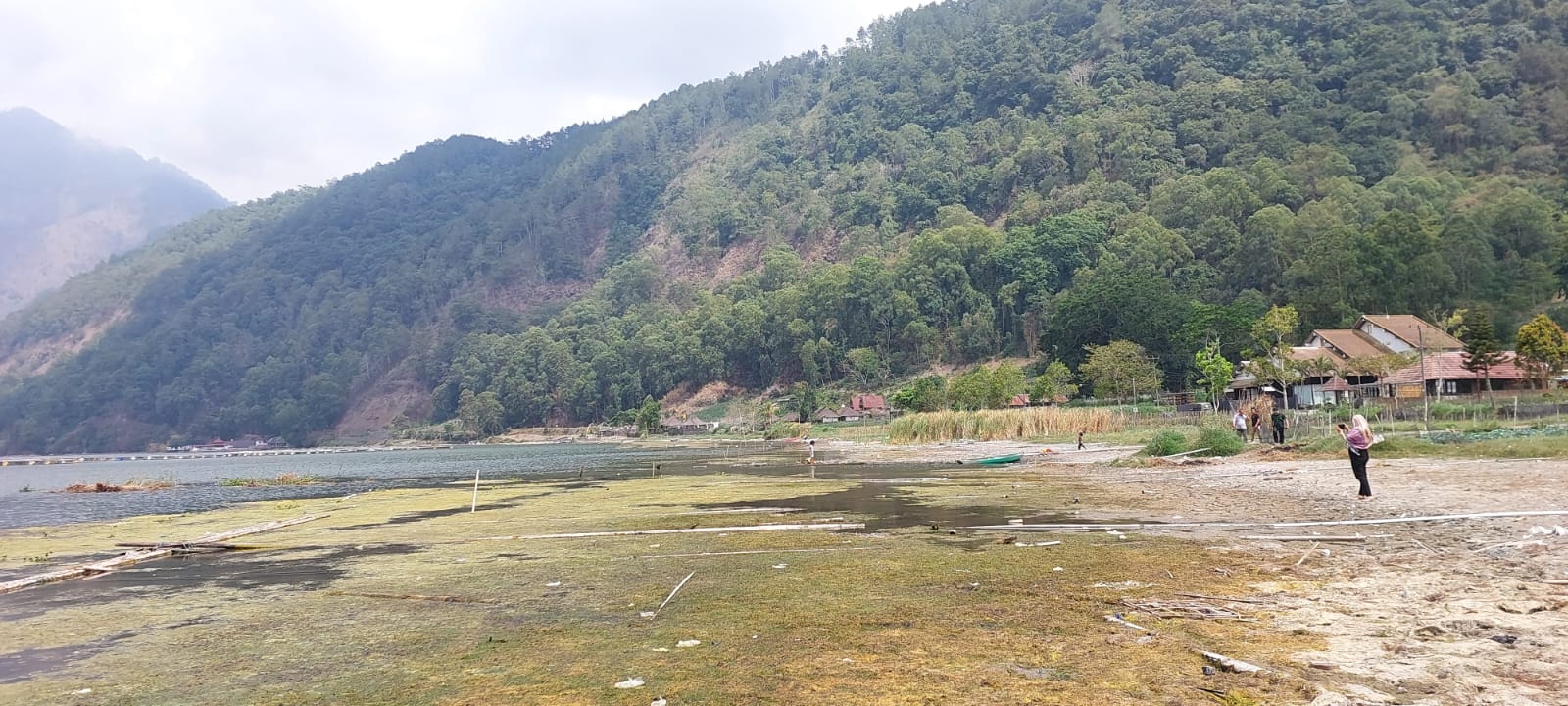
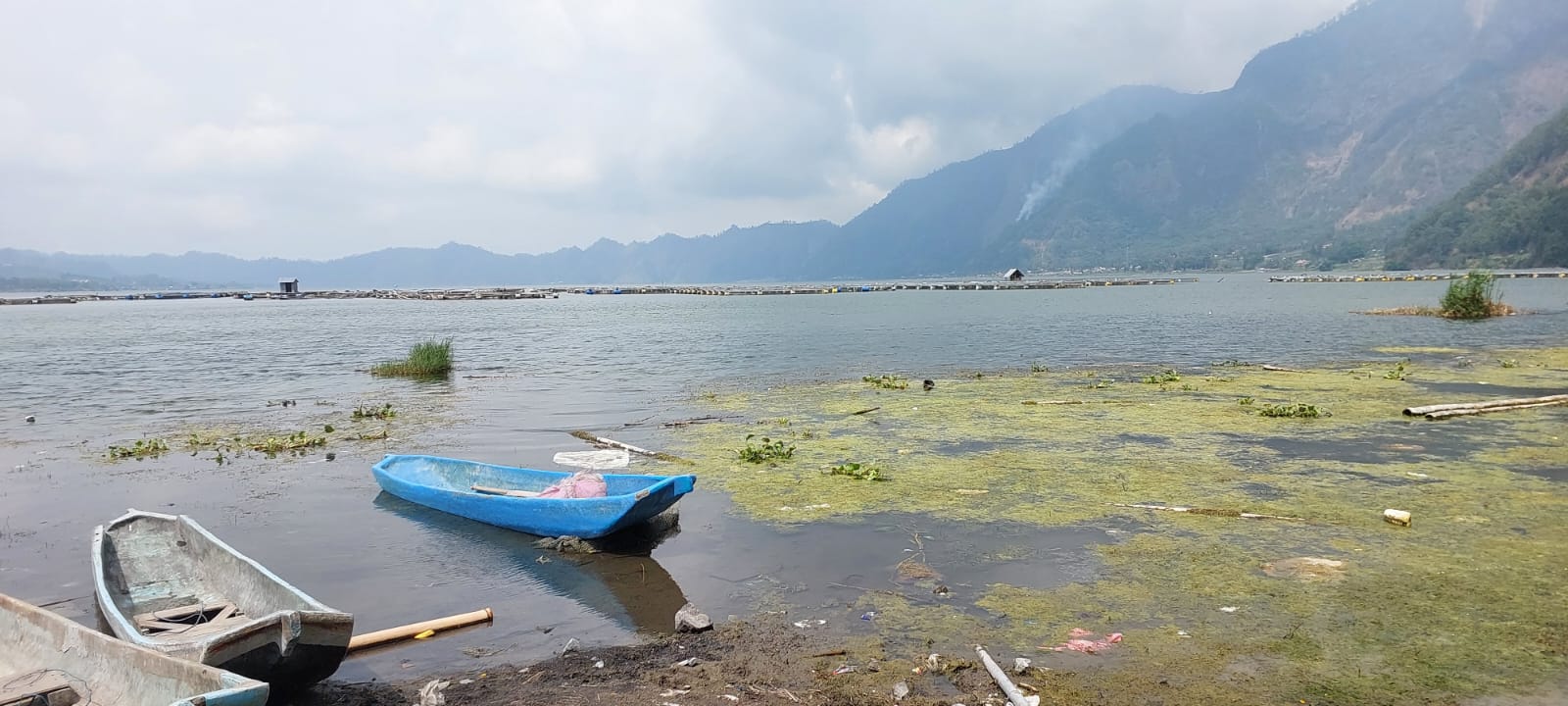
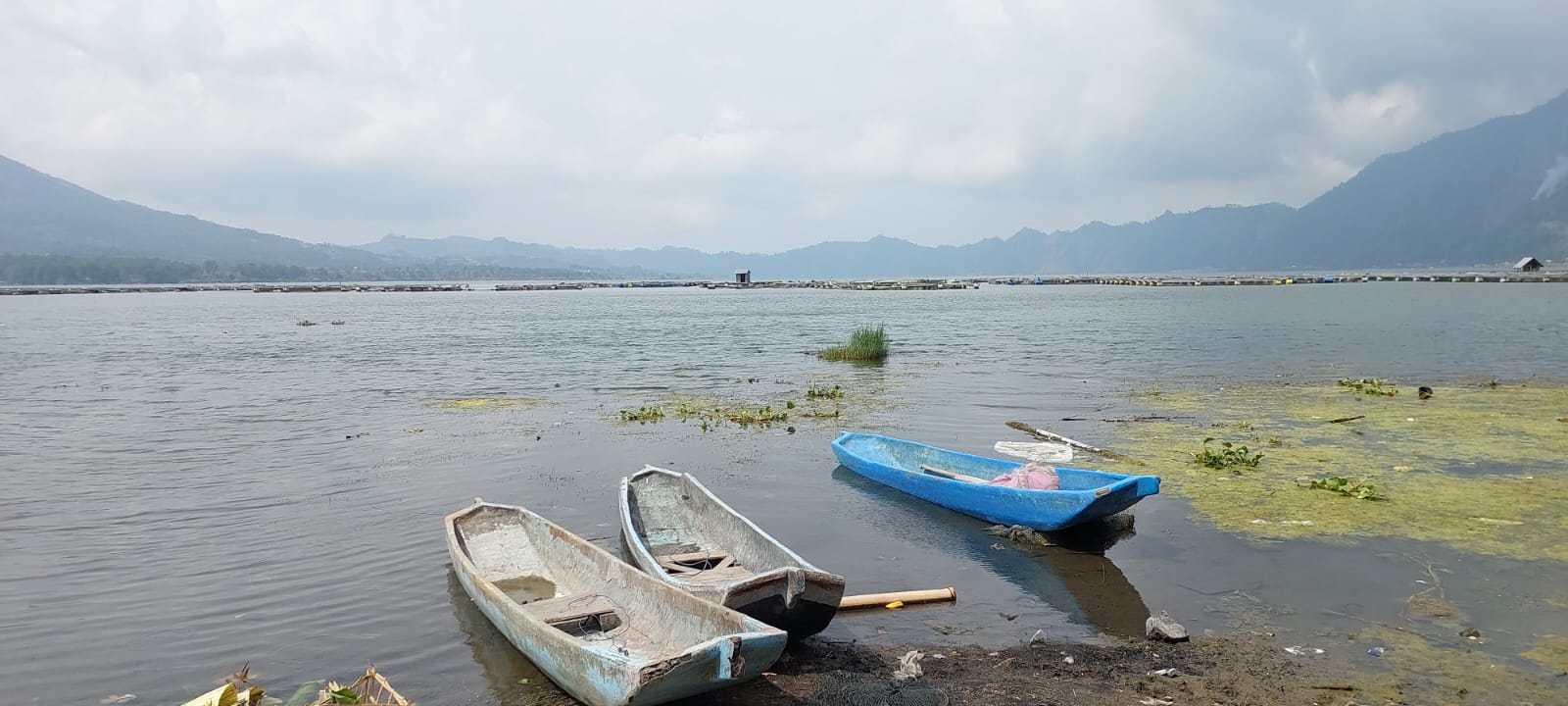
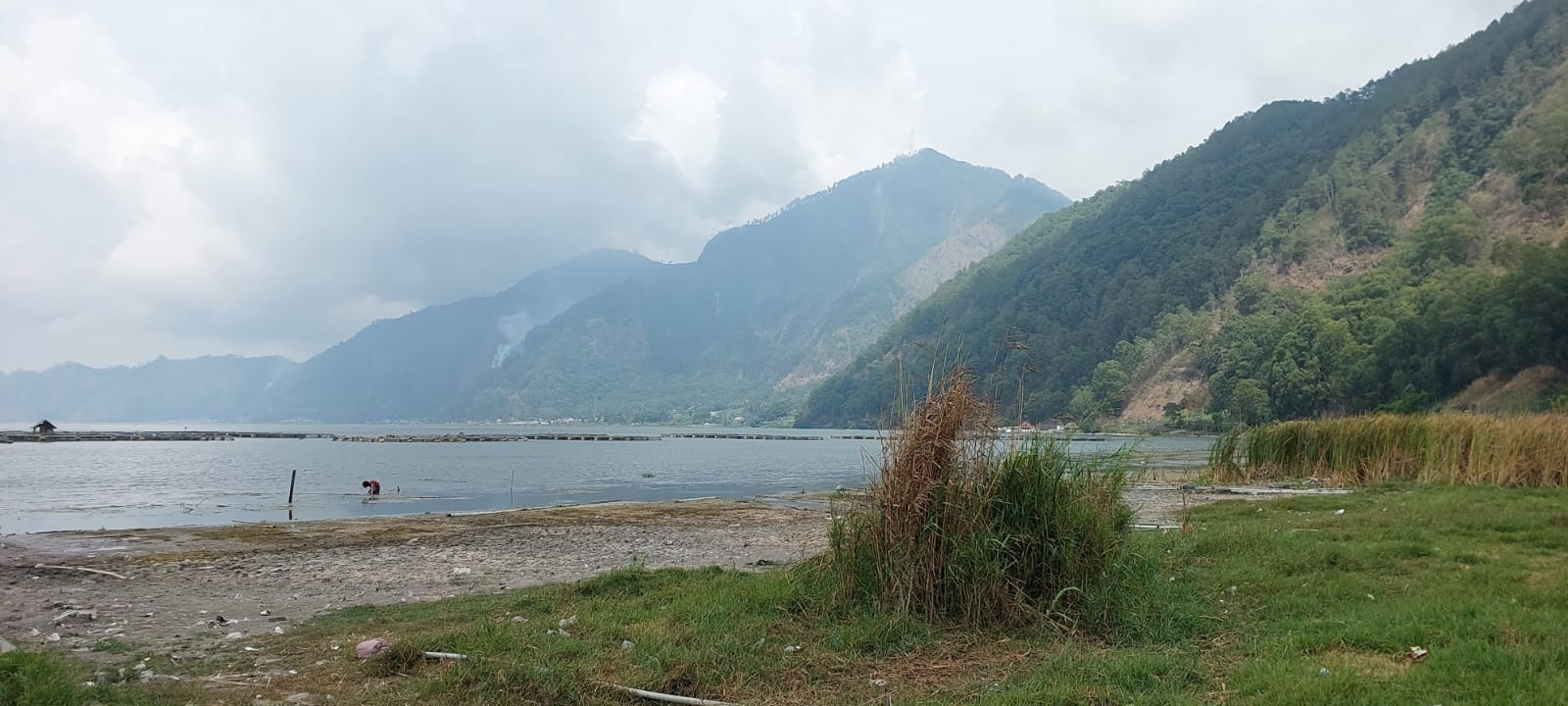
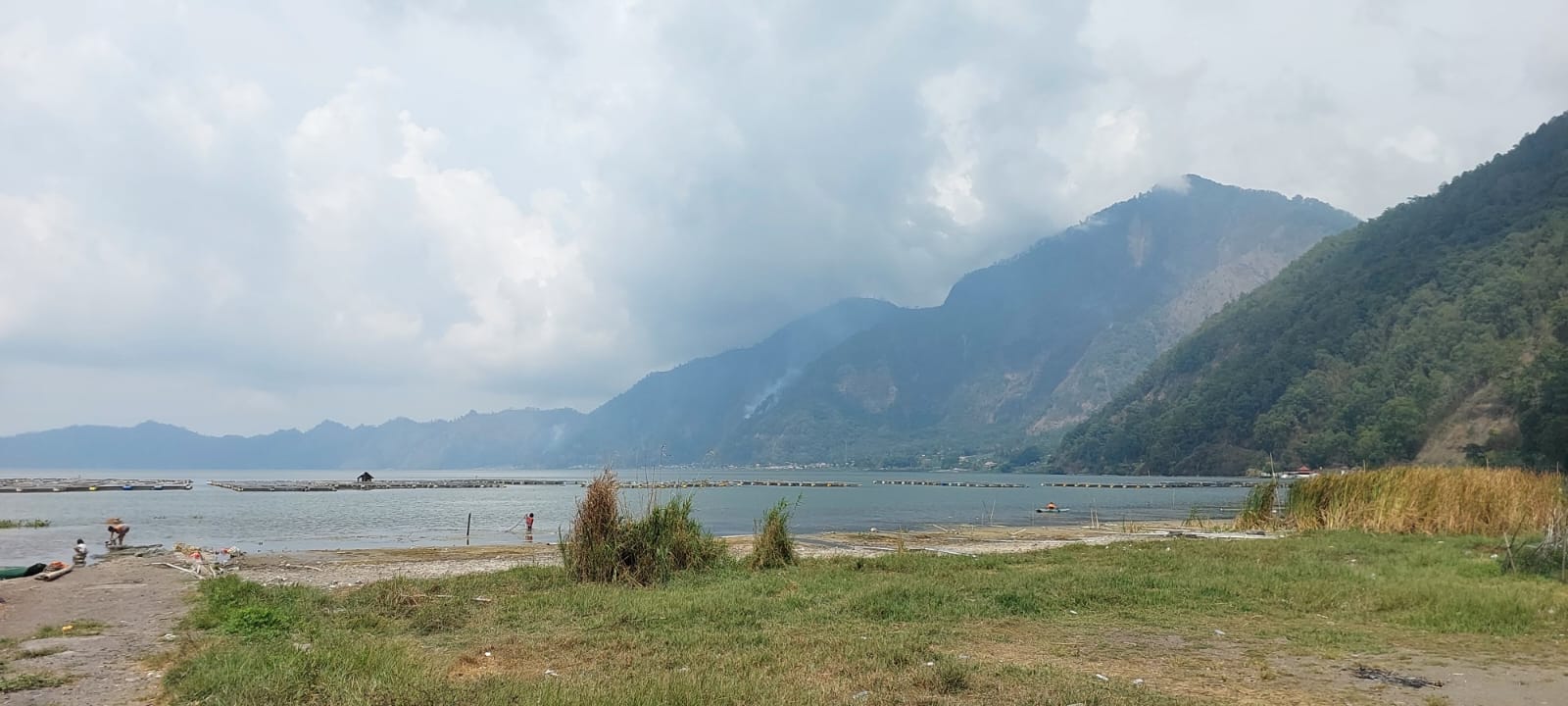
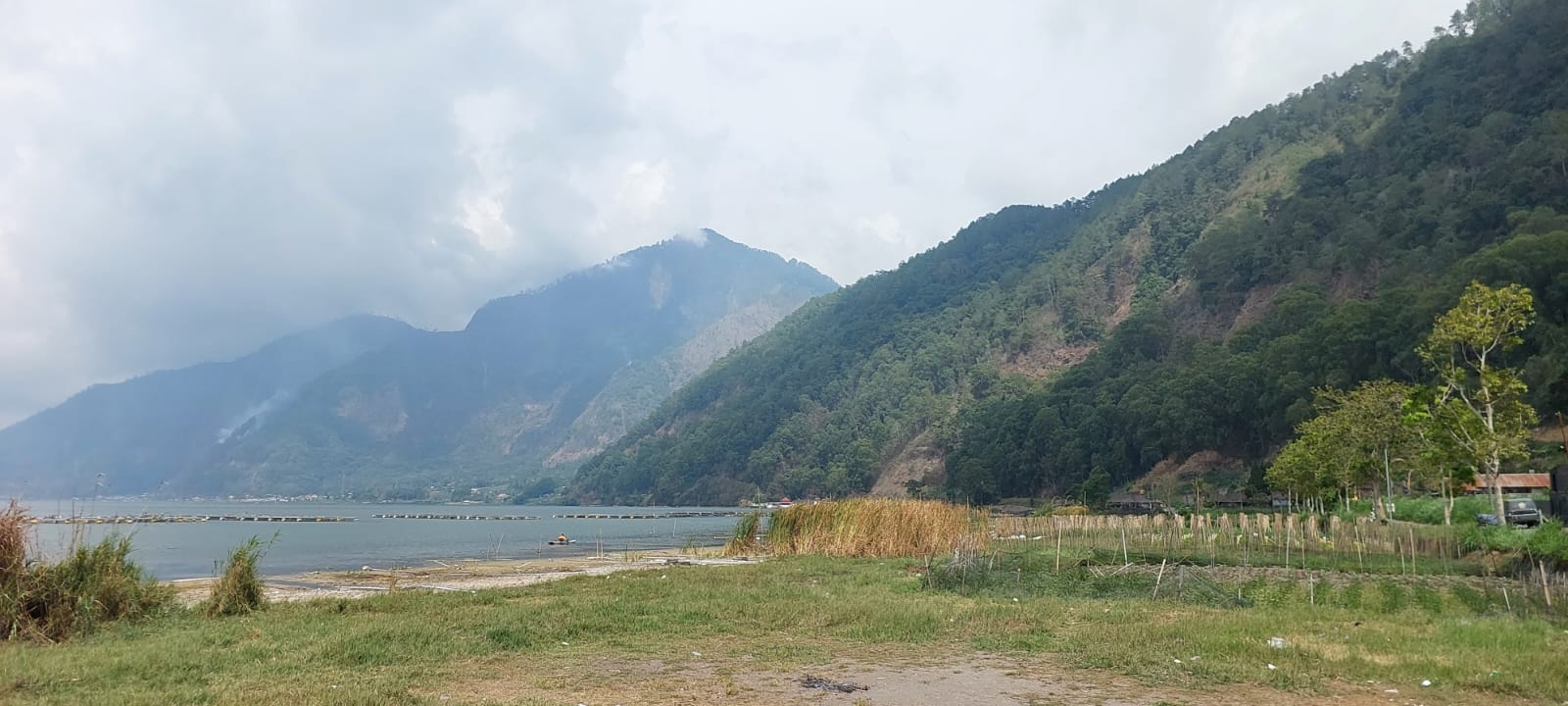
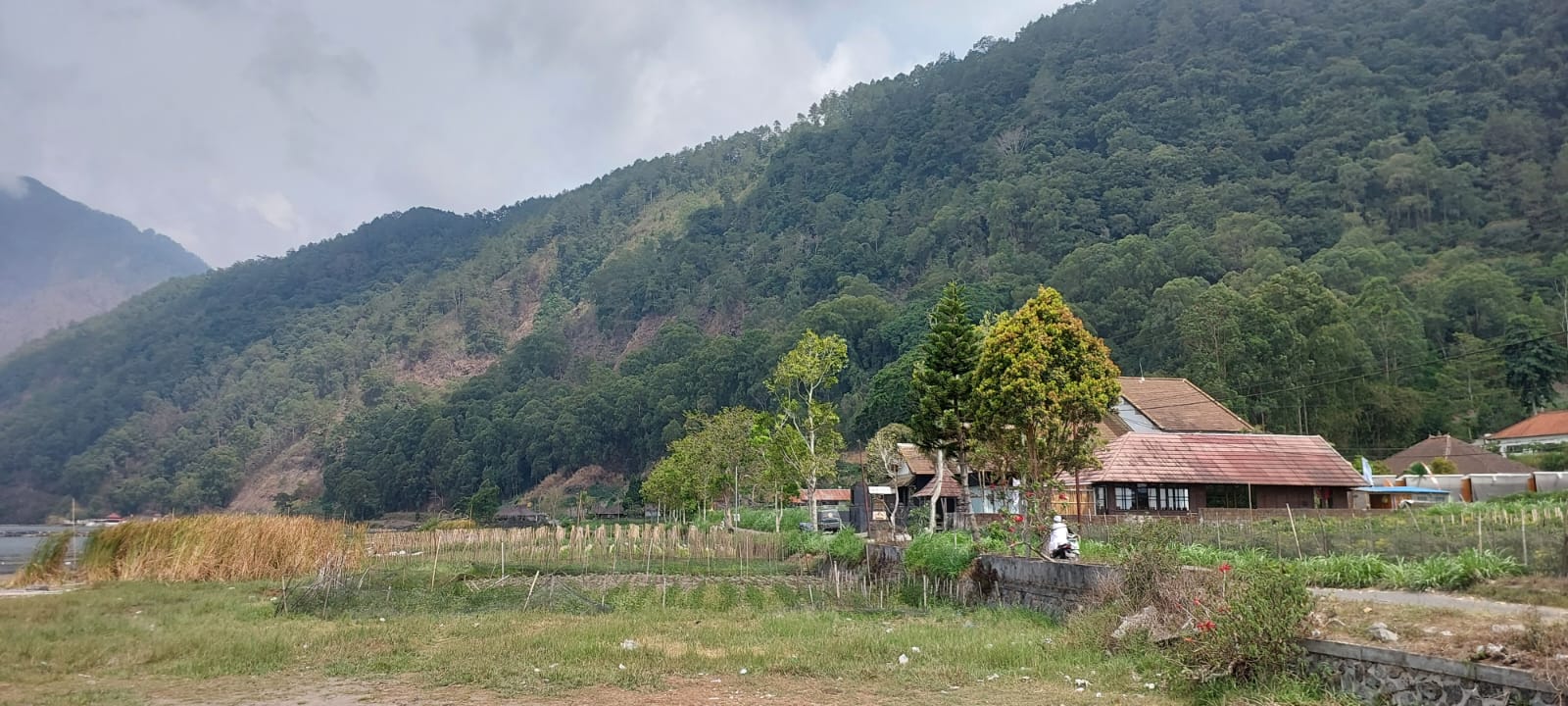
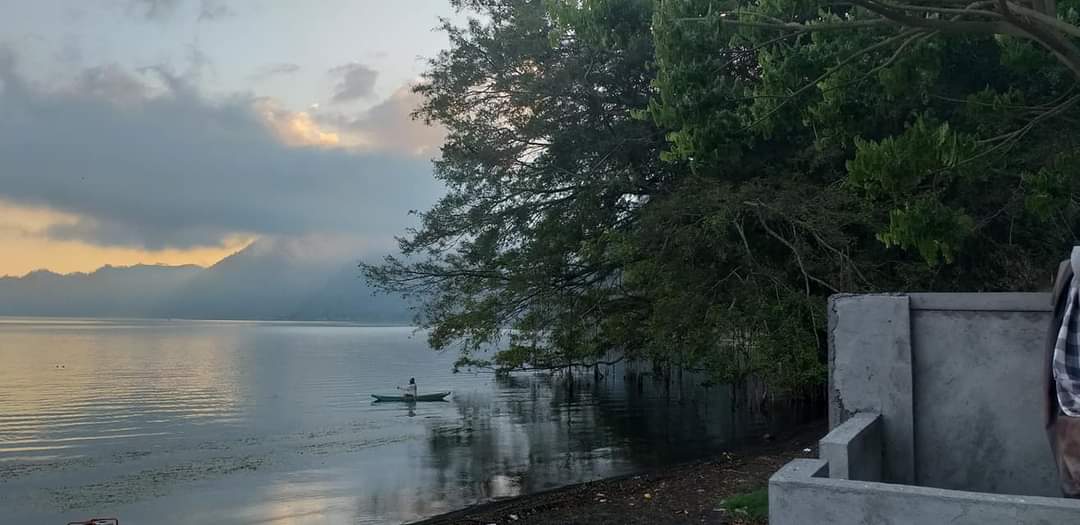
The village of Trunyan is squeezed tightly between the lake and the outer crater rim of Batur, an almighty volcano in Kintamani. This is a Bali Aga village, inhabited by descendants of the original Balinese, the people who predate the arrival of the Hindu Majapahit kingdom in the 16th century. It is famous for the Pura Pancering Jagat temple, but unfortunately visitors are not allowed inside. There is also a couple of traditional Bali Aga-style dwellings, and a large banyan tree, which is said to be more than 1,100 years old. At Kuban sub-village close to Trunyan is a mysterious cemetery that is separated by the lake and accessible only by boat, there is no path along the steep walls of the crater rim.

Unlike the Balinese people, Trunyan people do not cremate or bury their dead, but just lay them out in bamboo cages to decompose, although strangely there is no stench. A macabre collection of skulls and bones lies on the stone platform and the surrounding areas. The dead bodies don’t produce bad smells because of the perfumed scents from a huge Taru Menyan tree growing nearby. Taru means ‘tree’ and Menyan means ‘nice smell’. The name of Trunyan was also derived from these two words. The women from Trunyan are prohibited from going to the cemetery when a dead body is carried there. This follows the deeply rooted belief that if a woman comes to the cemetery while a corpse is being carried there, there will be a disaster in the village, for example a landslide or a volcanic eruption. Such events have been frequent in the village’s history, but whether women had anything to do with it is a matter of opinion.

Bedugul

October 16, 2009

Bedugul

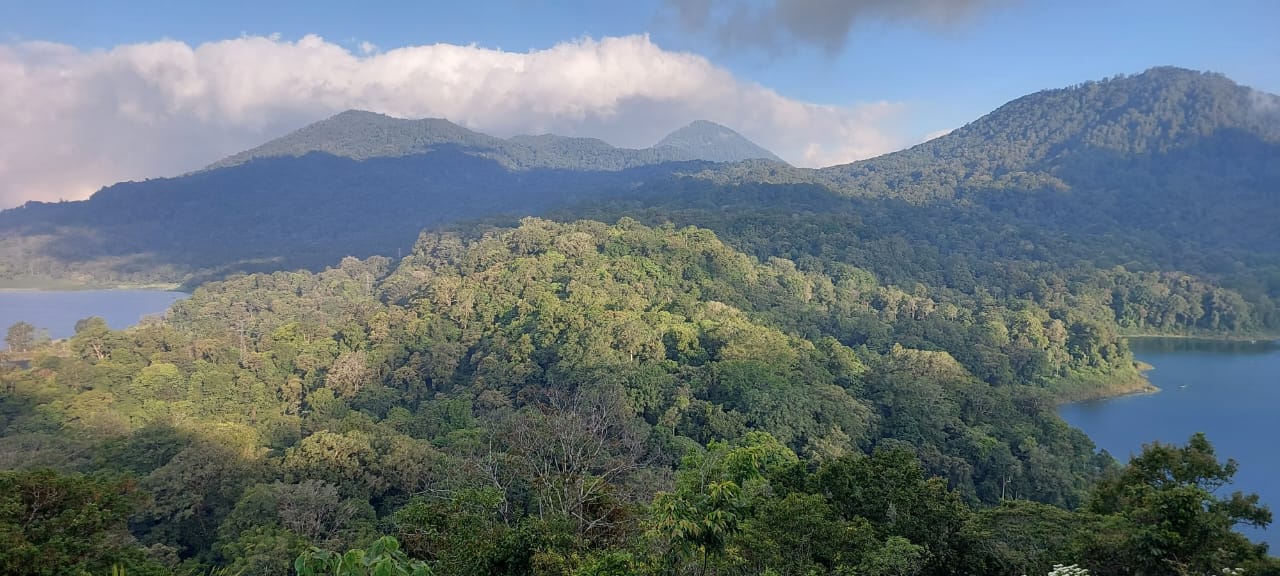
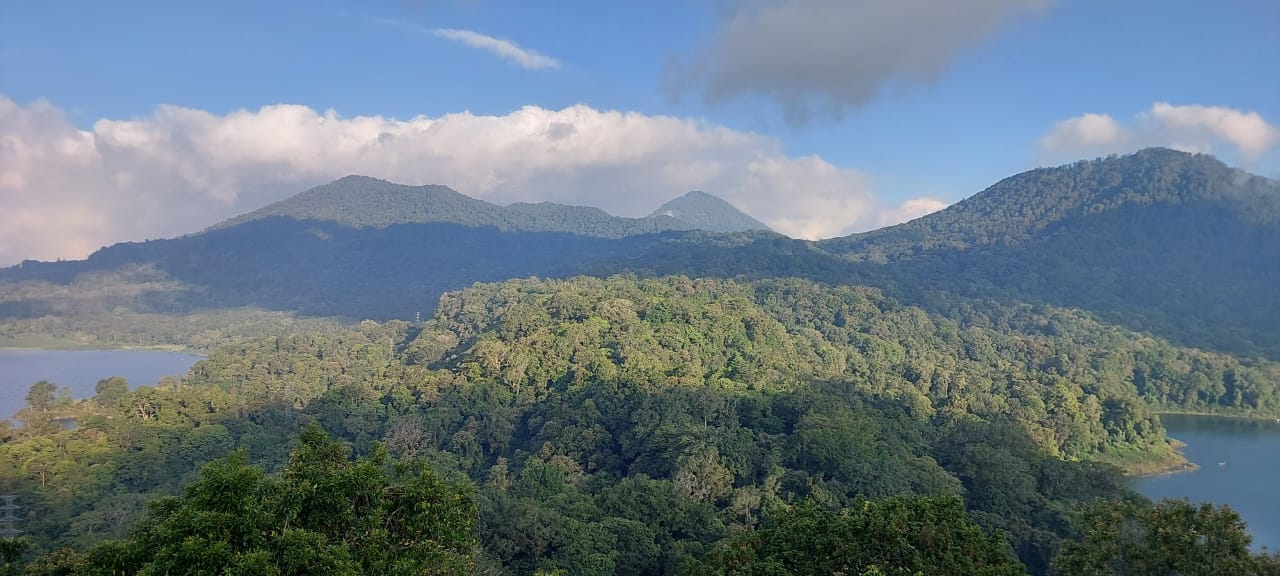
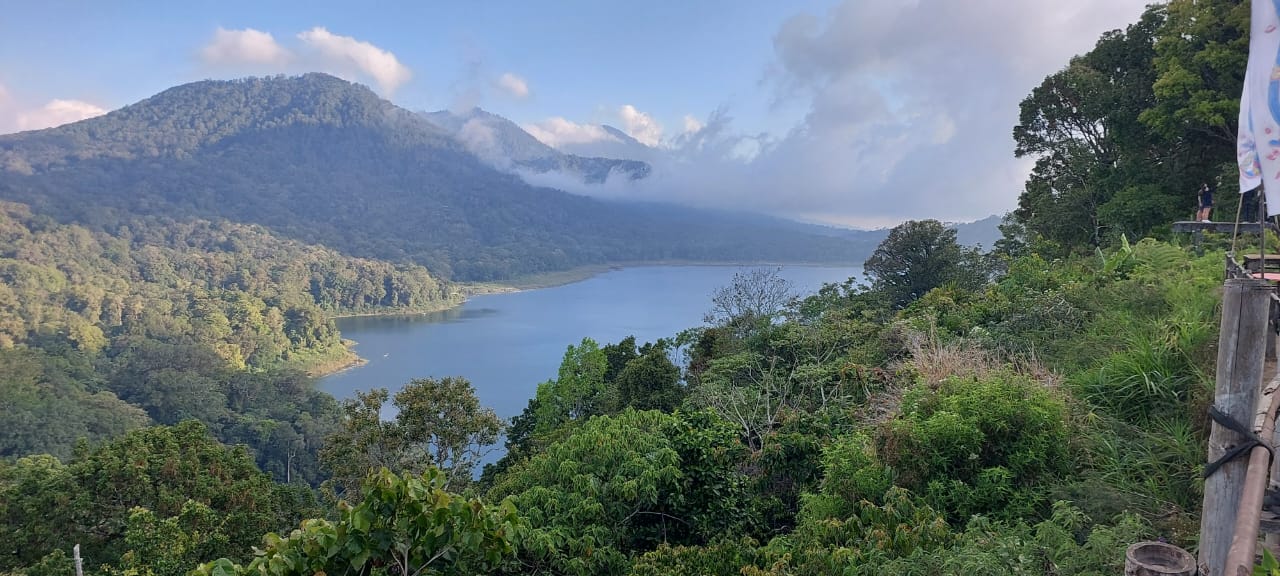
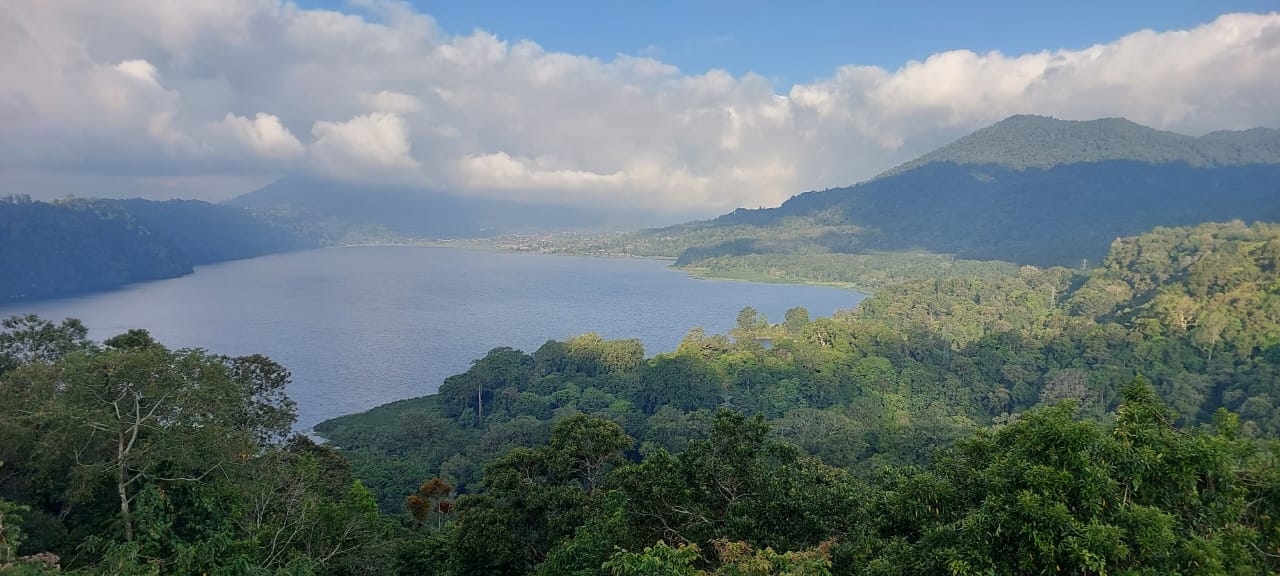
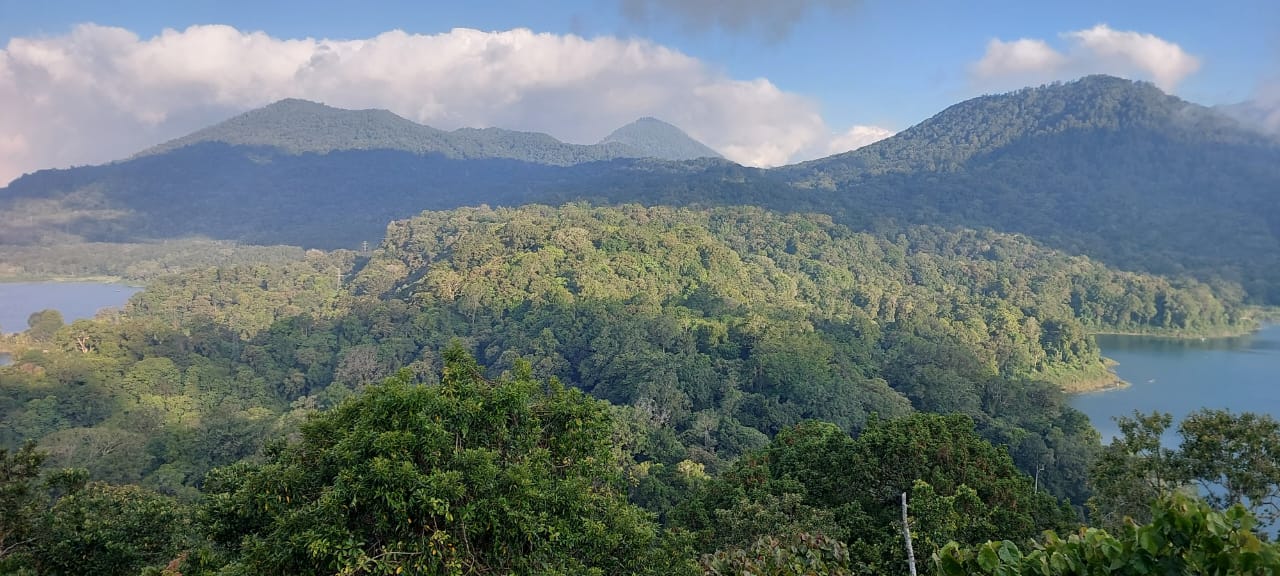
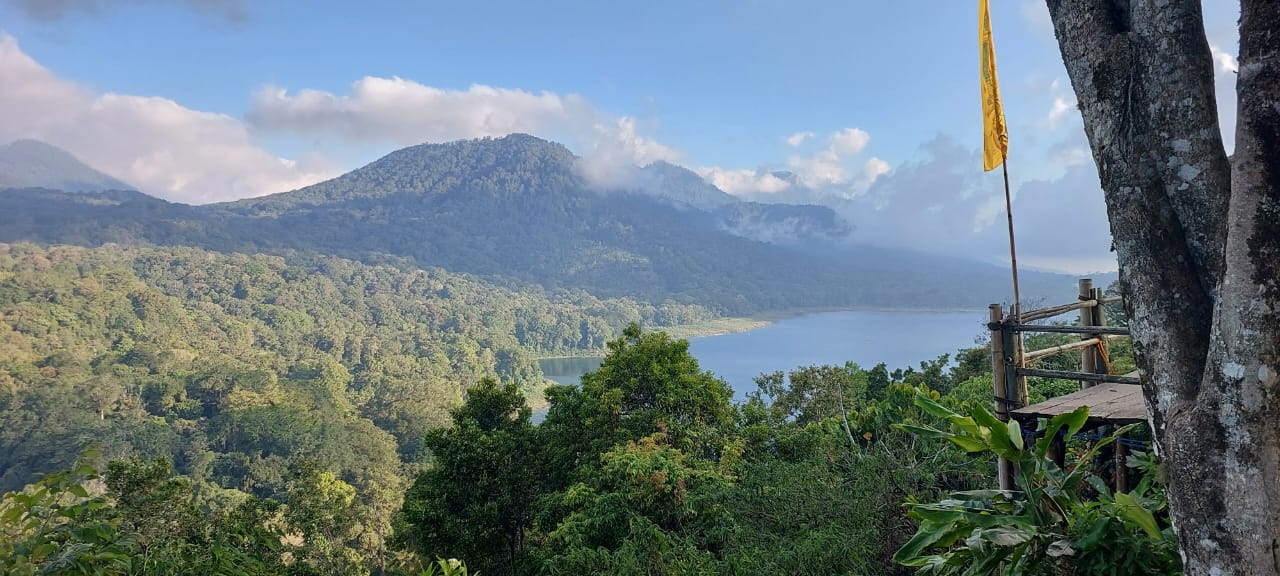
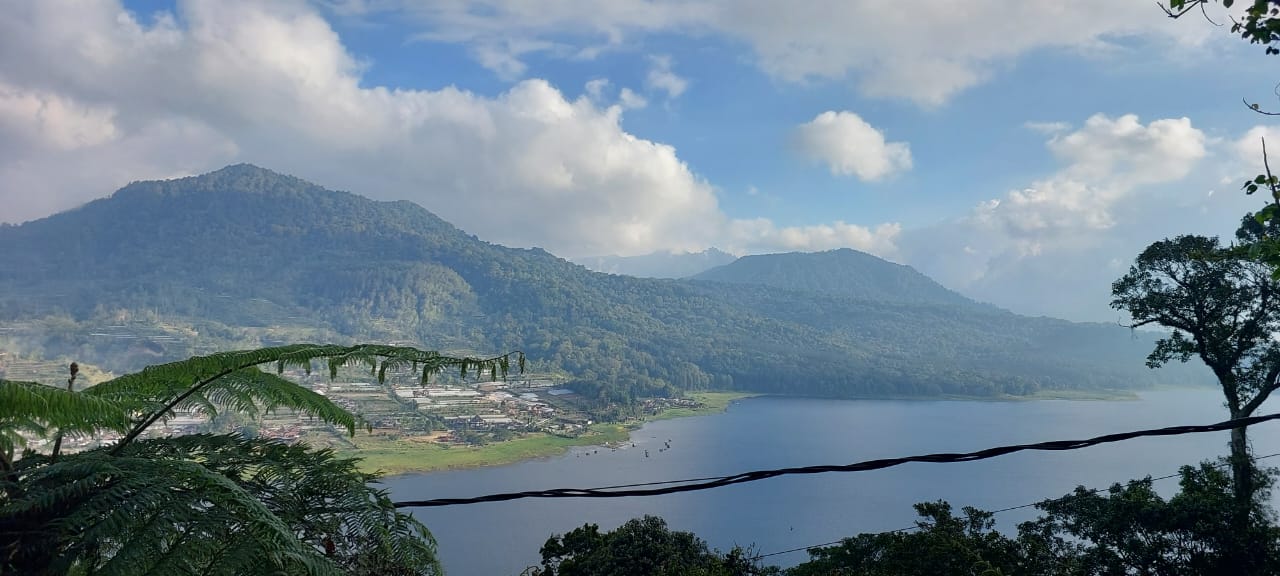
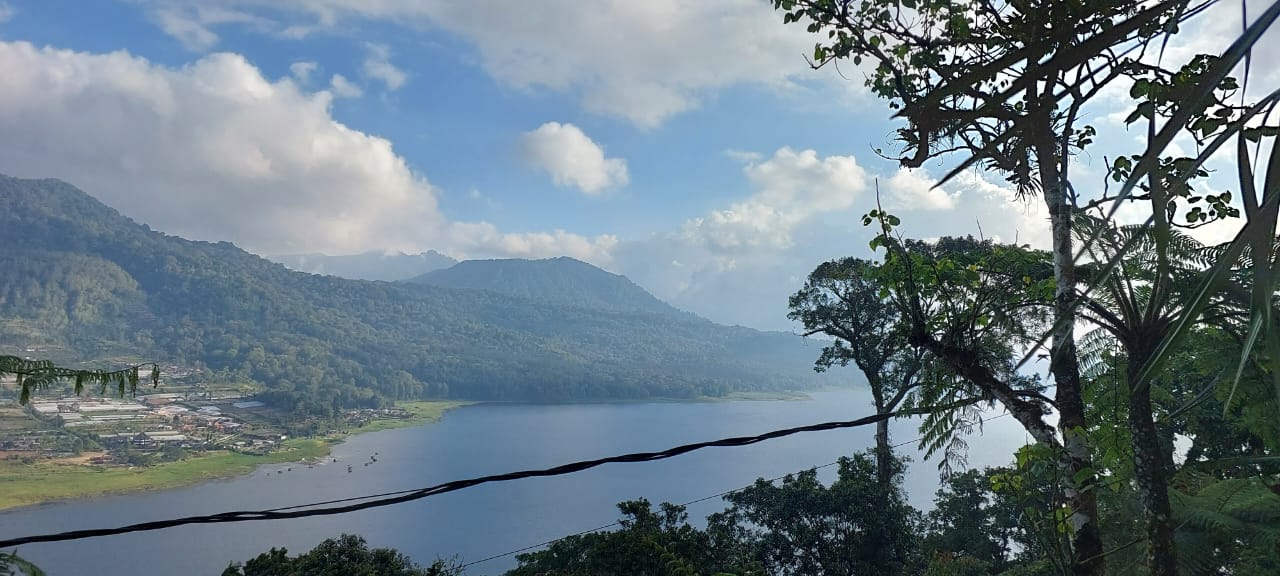
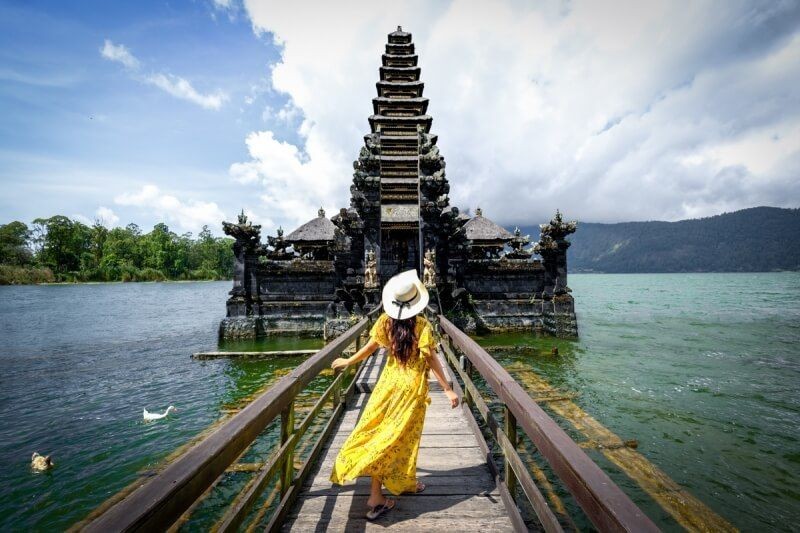
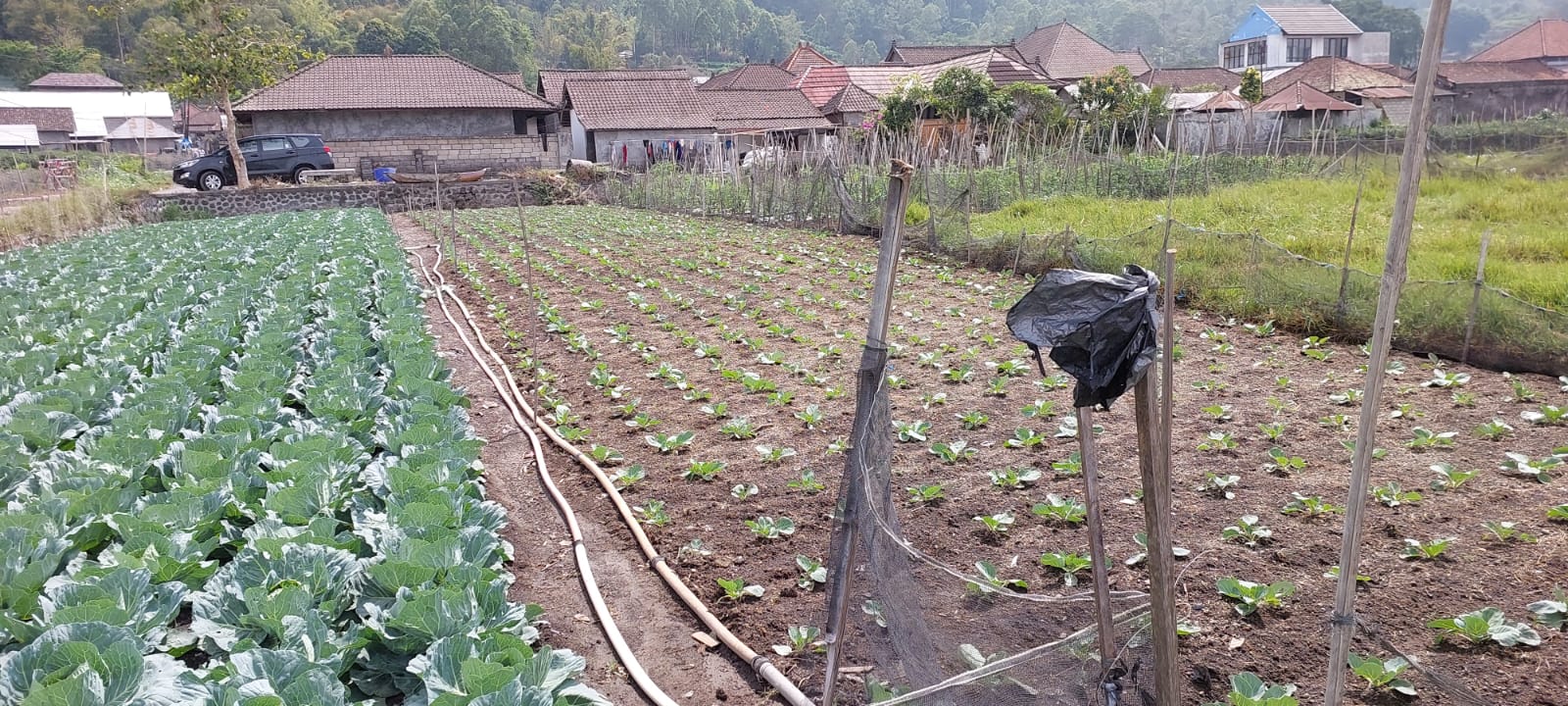
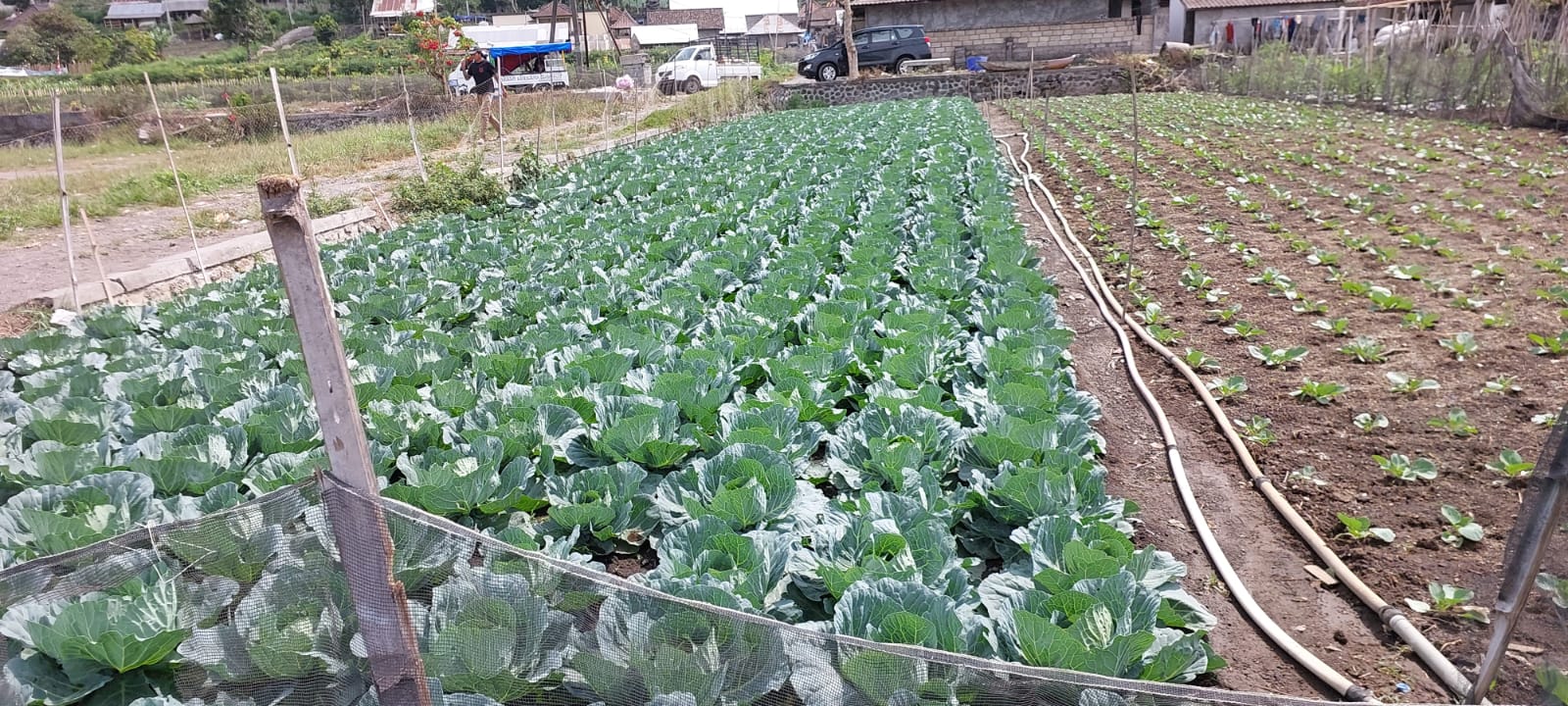
Bedugul is the name of both a small city and a mountain-lake resort area, which Balinese have long used for weekend retreats. Bedugul is located on the main north-south road between Denpasar and Singaraja in cool damp mountain country, an excellent base for walking trips around the lakes and surrounding hills. Bedugul is located in a high plateau at the center of the Island. Cool air and mists are natural for the place. Bedugul is a resort in Bratan Mountains, famous for its golf course; and also the Ulun Danu. Ulu Danu is an amazing temple, which seems to have risen out of Bratan Lake 1,200metres above sea level. There are many water sports available here are boating, water skiing, and parasailing. When the heat and humidity are get, why not escape to Bedugul. Bali’s highland retreat has tucked into the crater of an extinct volcano 1400 meters above sea level. Here three lakes provide everything from recreation to the water for springs, rivers and rice fields below. Lush pine forests seem to create freshness in the air. Bedugul is known for the quality of its fruit, vegetables and flowers. There are several places to stay near the lake and there is also an interesting temple, botanical gardens, an excellent golf course and a variety of activities on Lake Bratan itself.

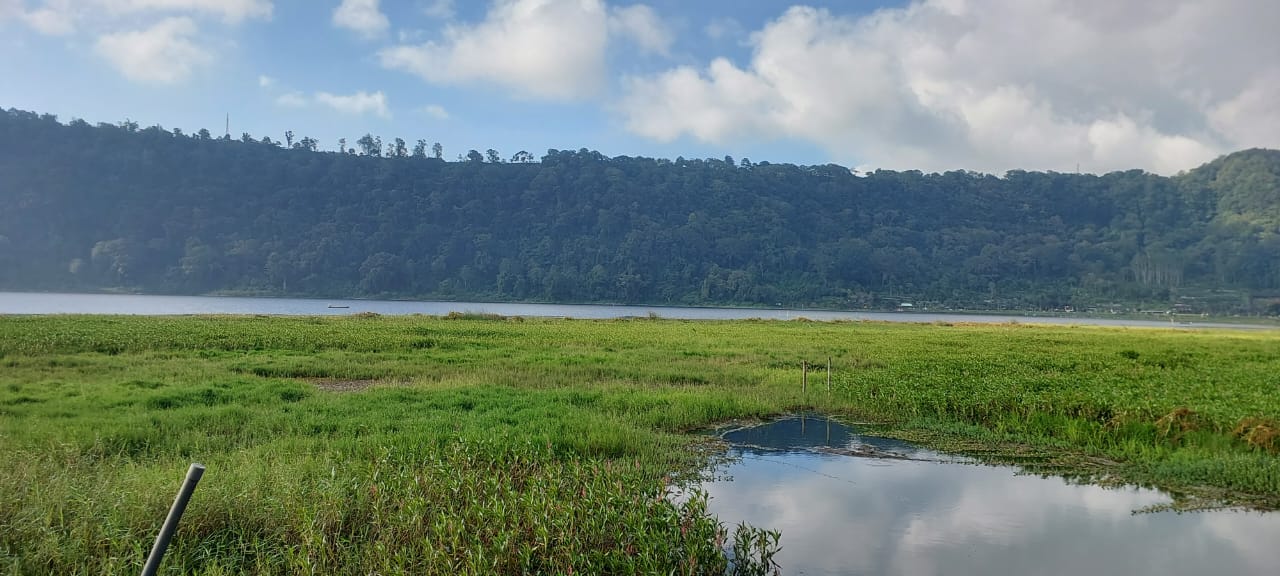
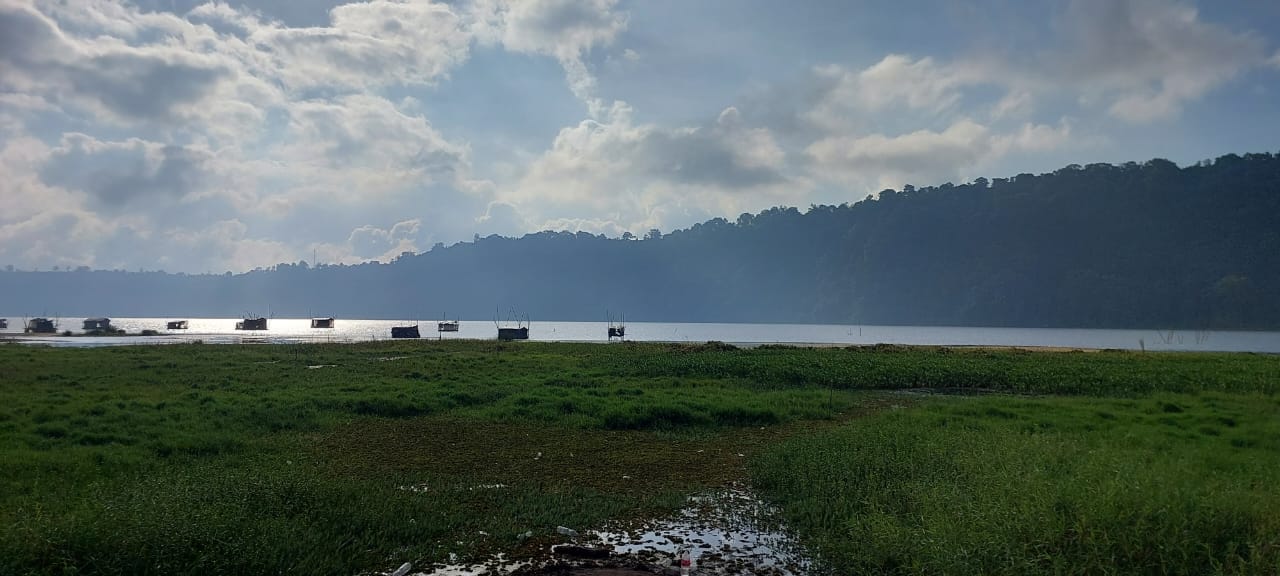
Bedugul is a favorite place for Balinese family for weekend picnic. Bedugul is also a center of horticulture. We’ll find plenty of fruits and vegetables here. Here we find 3 of Bali 4 lakes, Bratan, Buyan, and Tamblingan. Bratan, the largest of the three is perfect place for water sports such as para sailing, motor boating, jet skiing, water skiing, canoeing, etc. Bedugul fertile soil also produced abundance of plants and trees, some of them formed rain forests with their exotic birds, monkeys, and other creatures.

UBUD

October 16, 2009

UBUD

Ubud is Bali’s cultural heart. This area is located in the cool mountains, just one hour’s drive north of the airport and the resorts of southern Bali, this traditional country town is the home of the Balinese Royal family and a flourishing arts centre. Most of Bali’s museums and galleries are centered in Ubud, but culture and history rich Bali is peppered with museums and galleries. These museums and galleries offer paintings, woodcarvings, textiles and all kinds of souvenirs for viewing and also purchase. Puri Lukisan Museum in centre of Ubud, Neka Museum in Campuhan, Seniwati Gallery and Agung Rai Museum in Pengosekan is a must, to see the difference between creative art and more commercial products.

Inspired by vibrant green rice paddies, mountains and colorful Balinese festivals, the elite artistic colony that began in the 1930’s with eminent European painters, writers and musicians has now grown into a thriving arts centre, drawing increasing numbers of visitors. Ubud is also a flourishing crafts centre. Around Ubud the surrounding villages like Camphuan, Penestanan, Peliatan and Batuan specializing in crafts and woodcarving which are sold all over the island. There are hundreds of shops selling antiques, woodcarvings, crafts, textiles, paintings and jewelry as well as some of the best art museums in the country, dozens of art studios, an excellent local craft market, and galleries selling local and international art.

Ubud’s role as the epicenter of Balinese culture makes it the perfect place to see traditional Balinese dance and drama. From the early 1920’s the royal family ensured that most talented teachers of dance, music and drama were brought to Ubud to entertain the King and pass on their knowledge. Dances like Legong, Ramayana, Baris, Kecak and Sanghyang (the fire dance) are performed nightly in Bona village, just 15 minutes drive from Ubud. Bali’s most accomplished dancers, musicians, painters and carvers live in just 10 square kilometers.

Balinese Hinduism remains stronger in Ubud than elsewhere in Bali, cremation ceremony or celebration of some kind. Balinese Hinduism is distinct from that of India and has absorbed the animism of Bali’s pre-Hindu ancestors – inspired by the extraordinary beauty of Bali’s landscapes – rice fields, mountains, river gorges, villages and ancient temples.

Visit Ubud Monkey Forest, a natural forest reserve popular with both locals and tourists. Inhabited by wild monkeys who will steal the camera, bananas, handbags, toupees, etc. These mischievous monkeys provide lots of entertainment. Interesting meandering paths lead to charming places like the bathing temple surrounded by lush remnants of ancient forest. Just off the main square a lovely arched stone bridge leads to the Hindu elephant-headed Lord Ganesh overlooking a small, square, moss-covered pool where several koi swim at his feet.

Kintamani

October 16, 2009

Kintamani

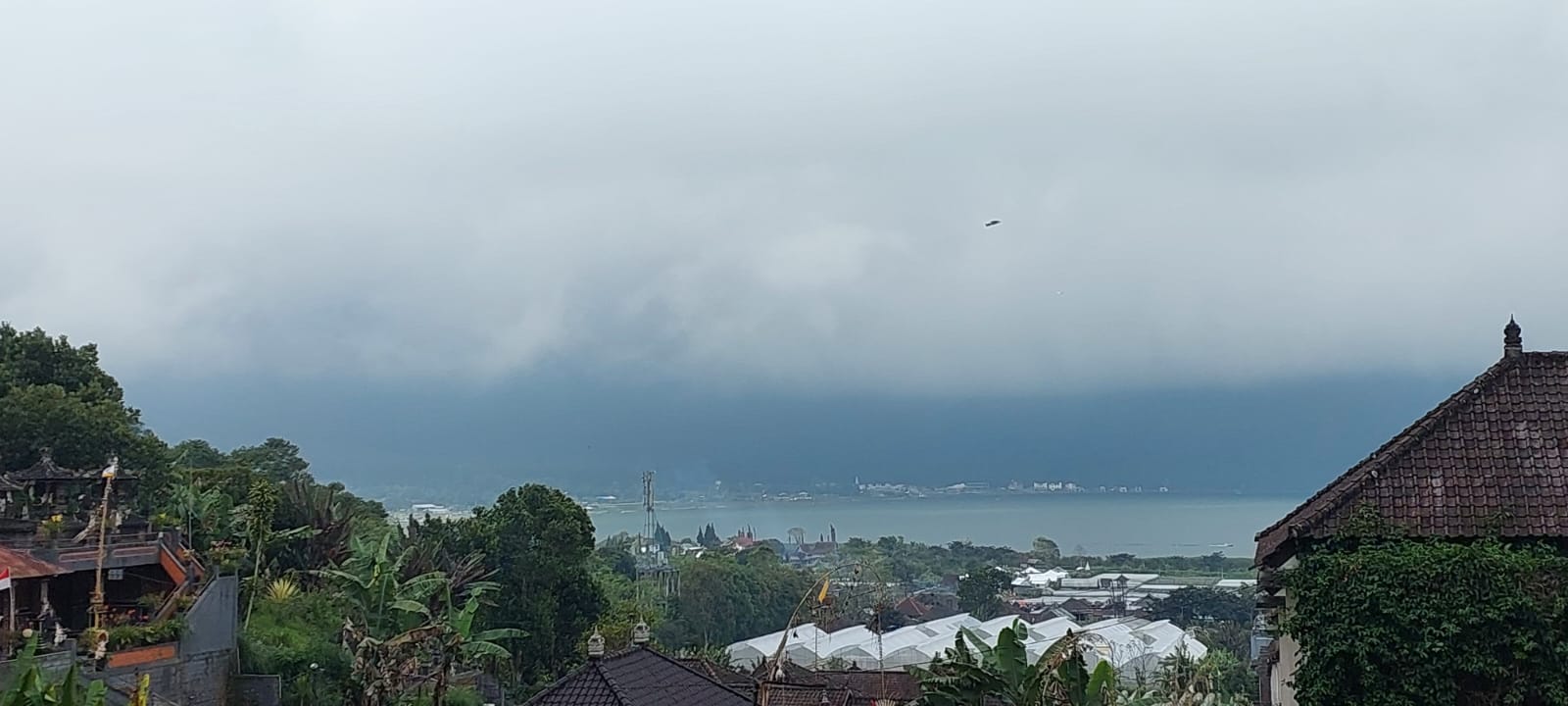
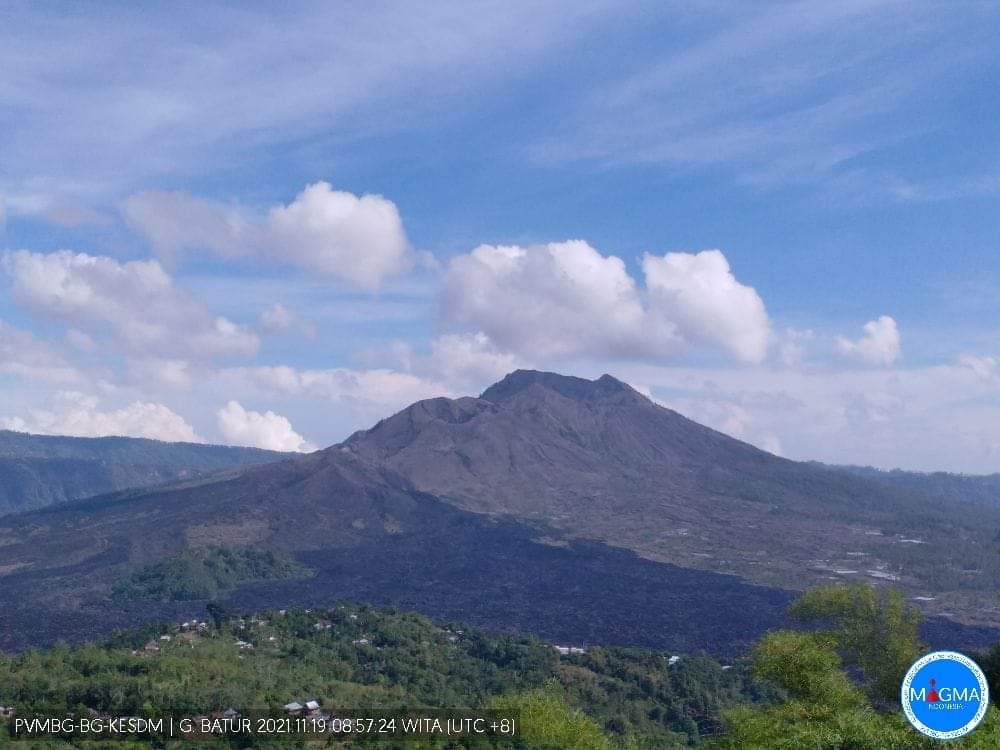
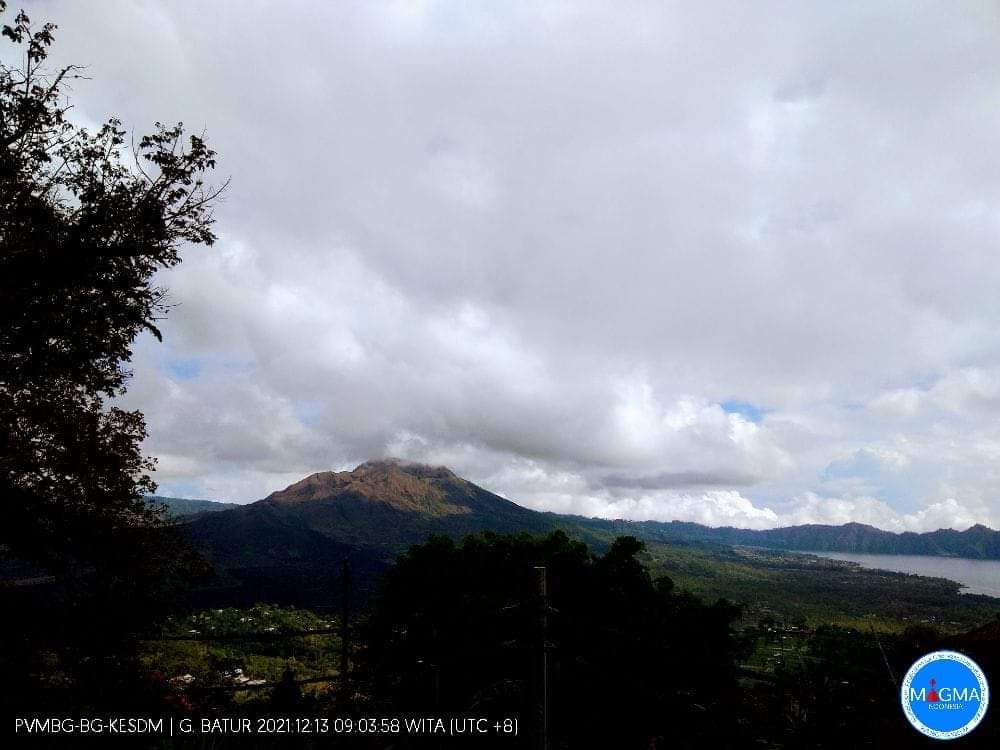
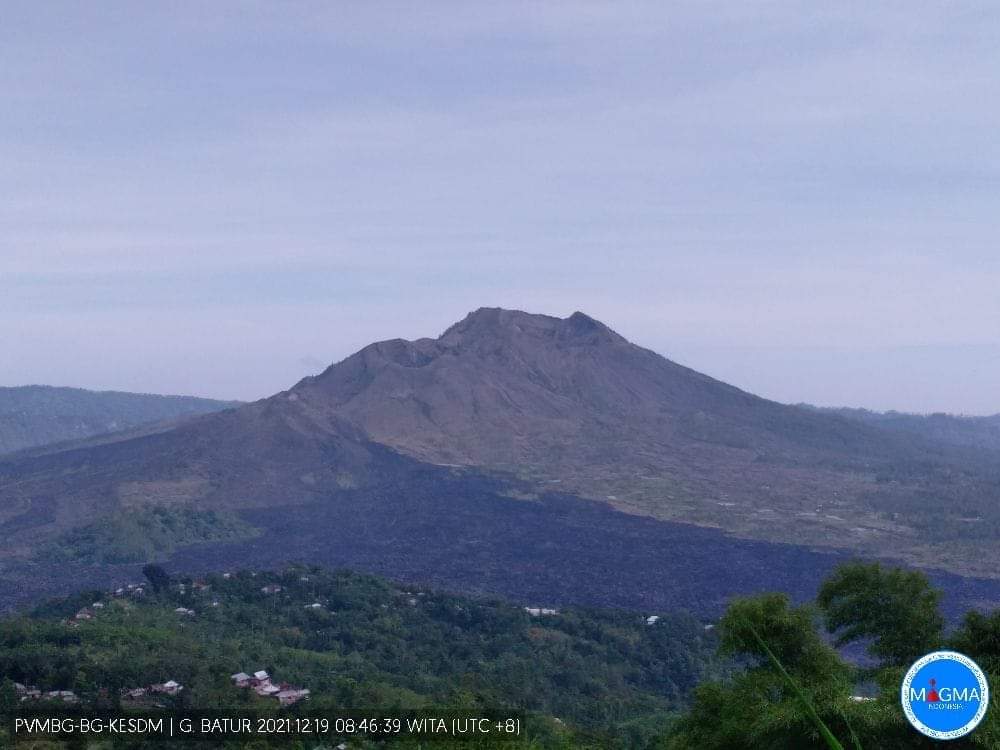
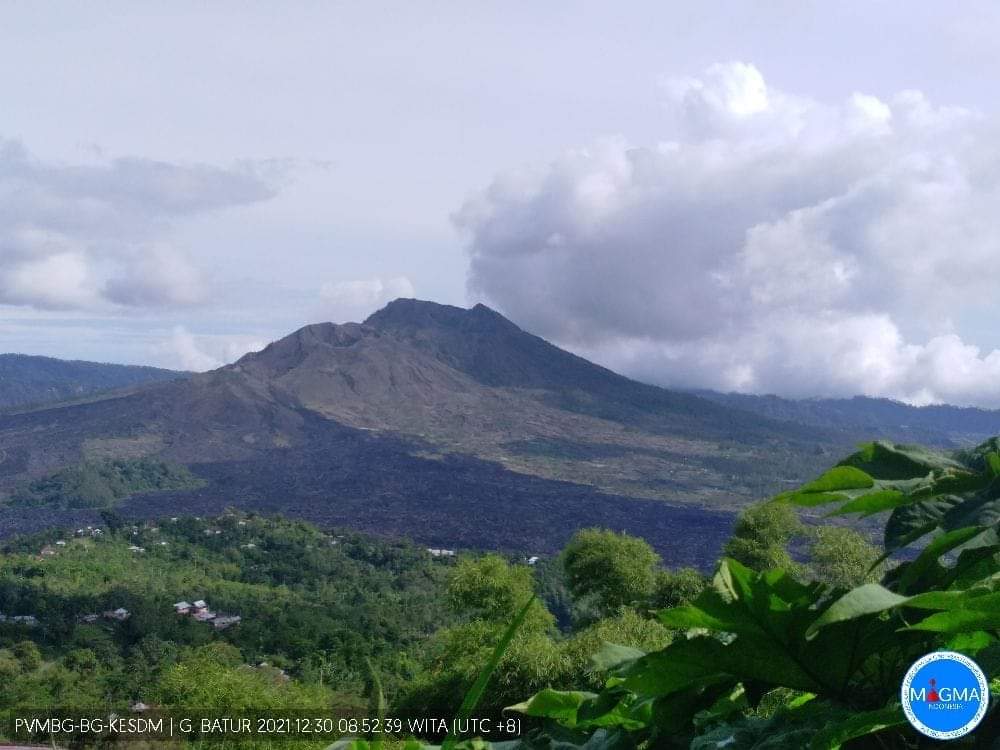
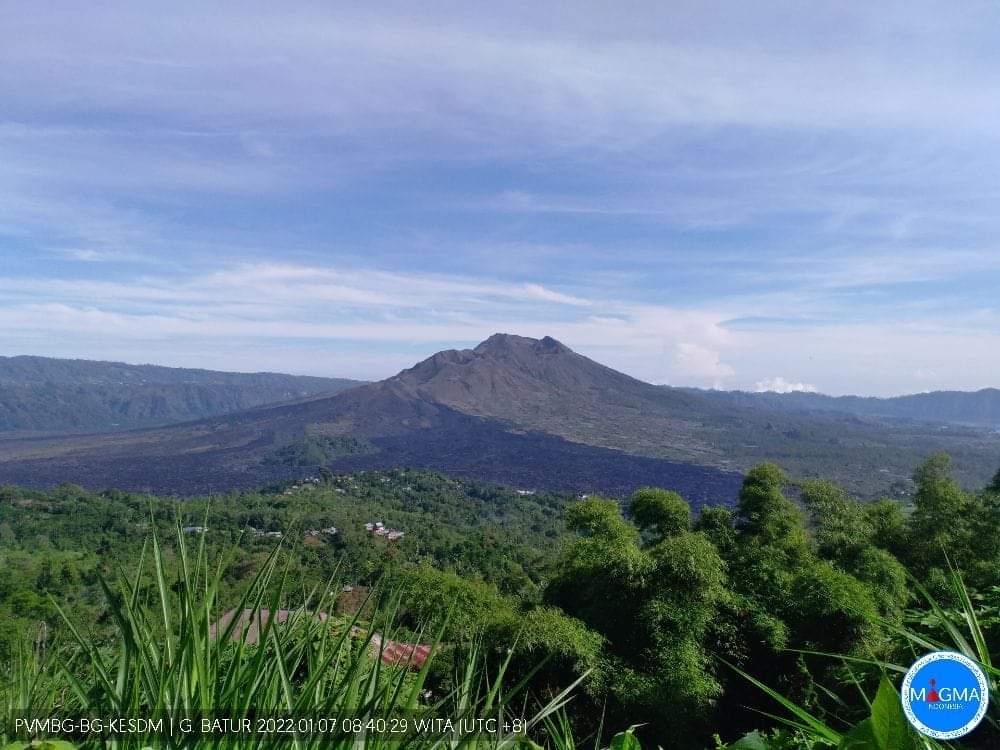
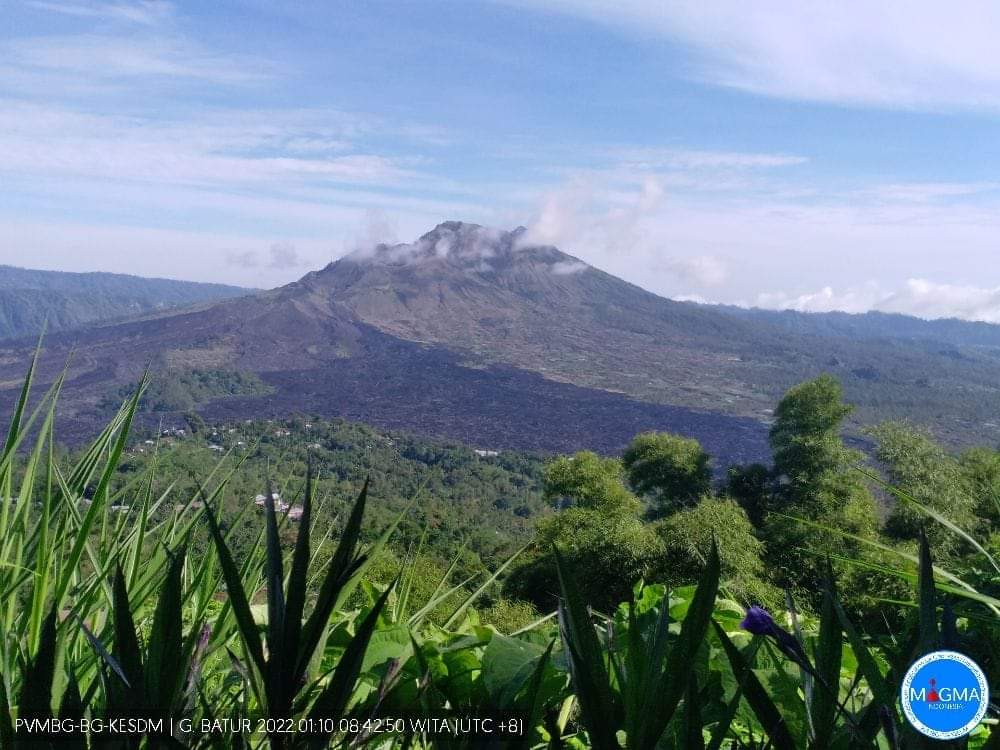
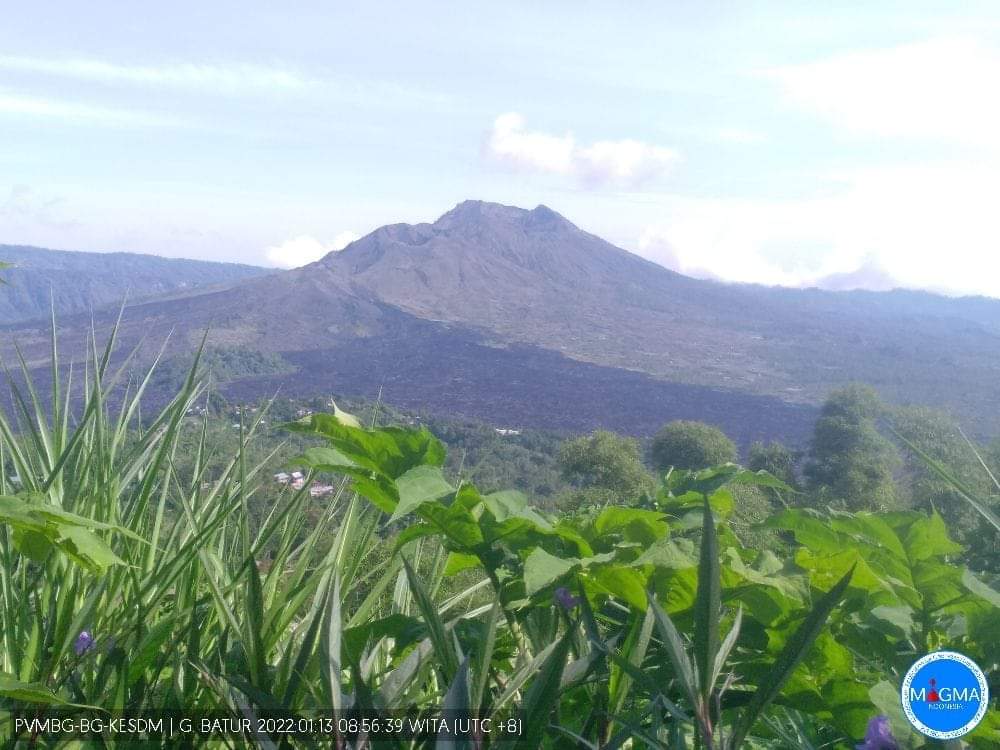
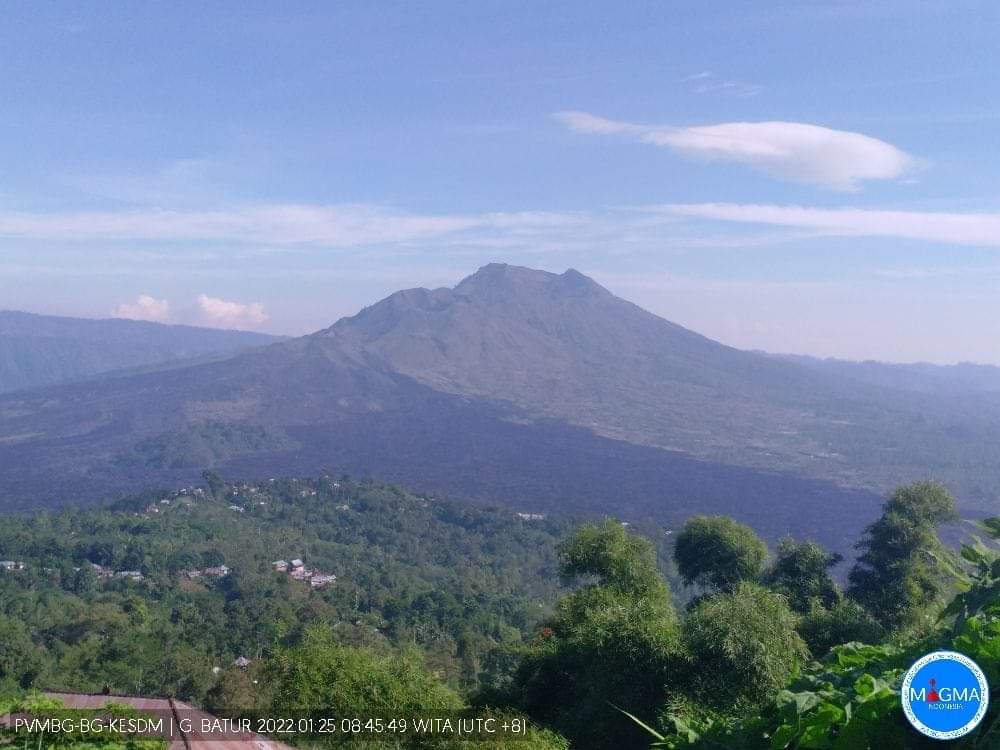
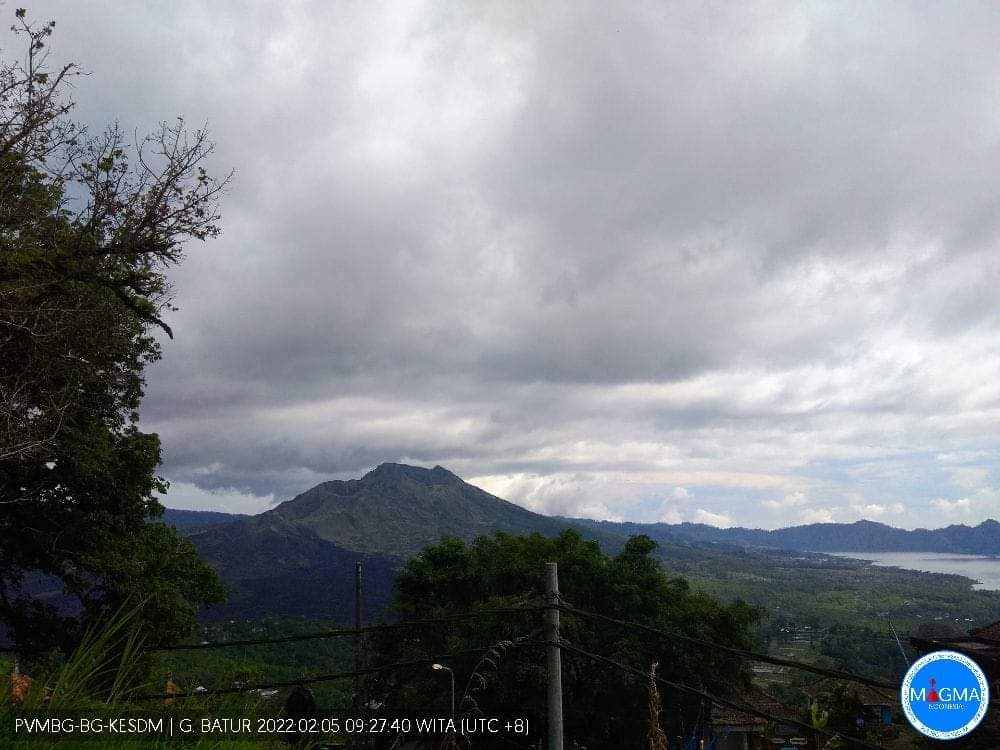
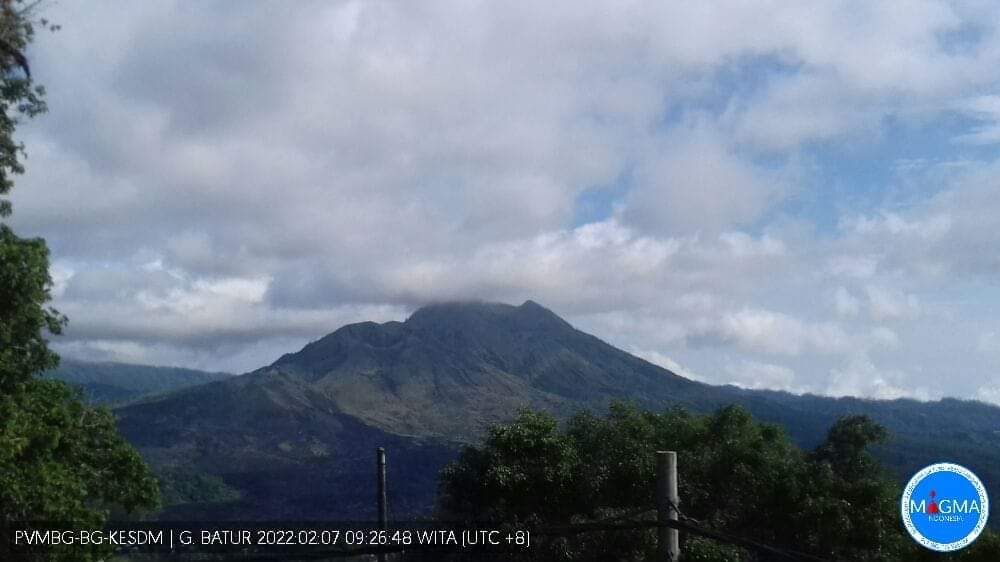
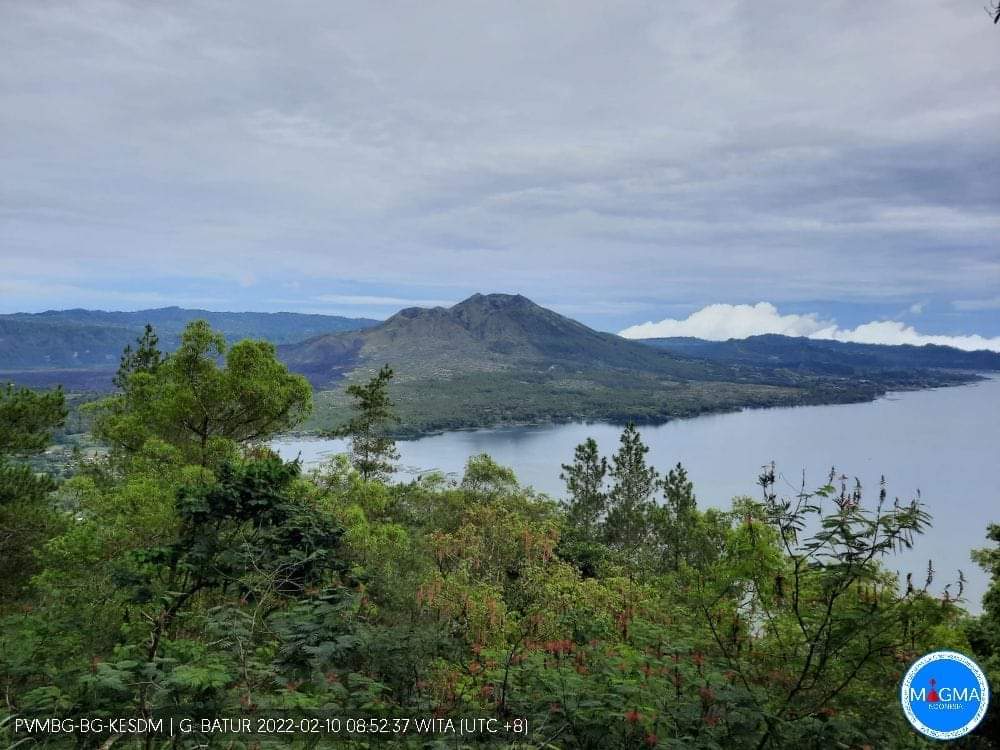
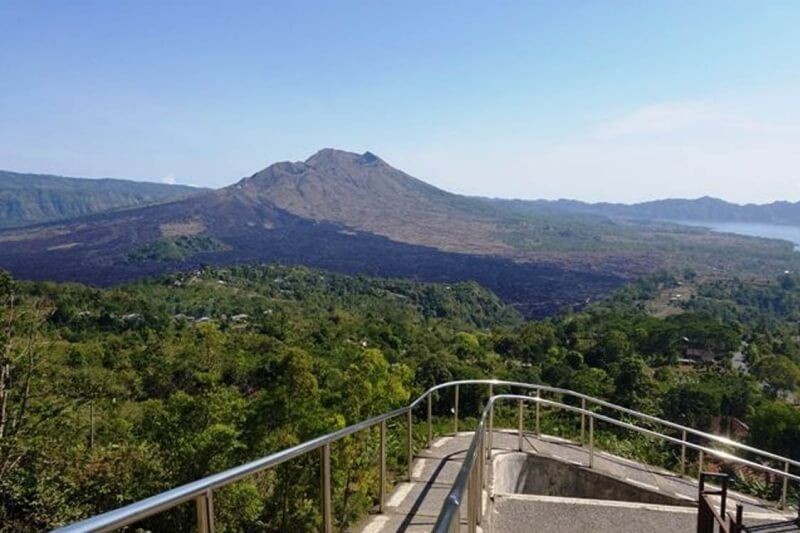
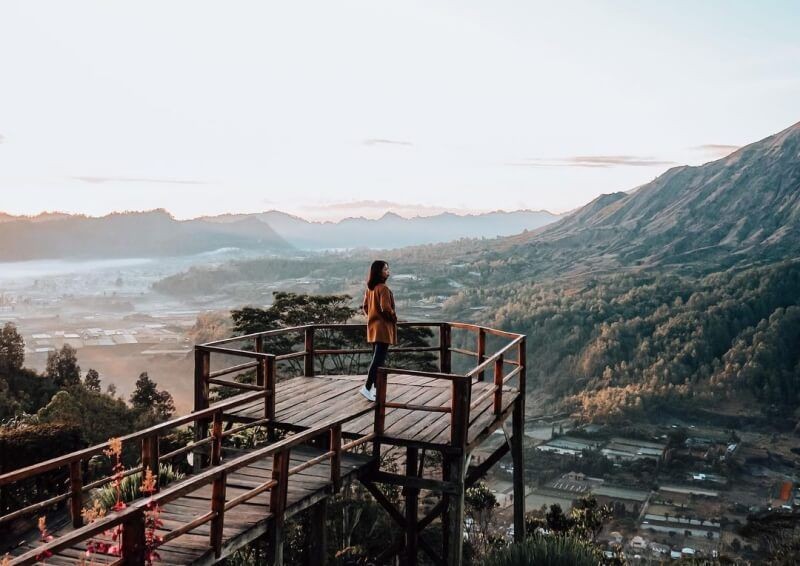
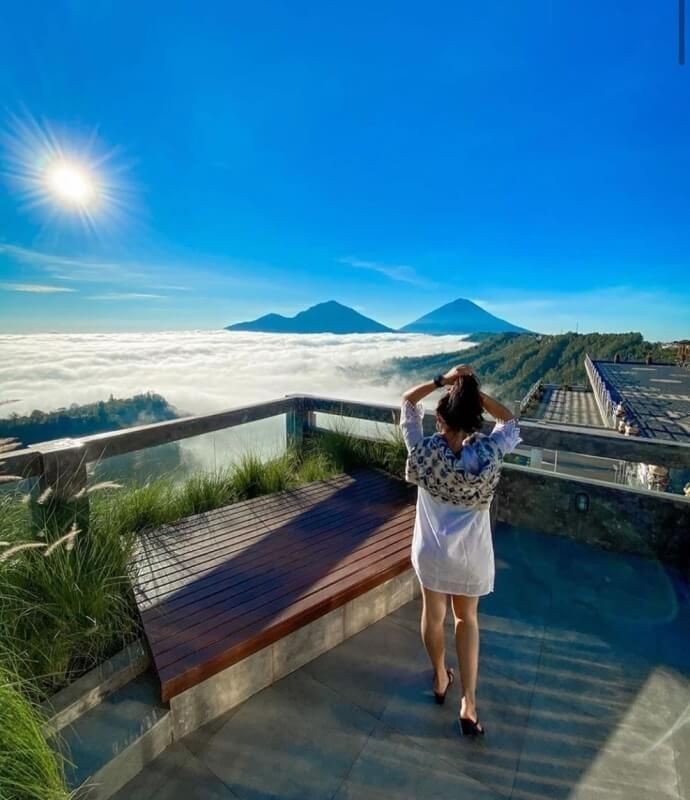
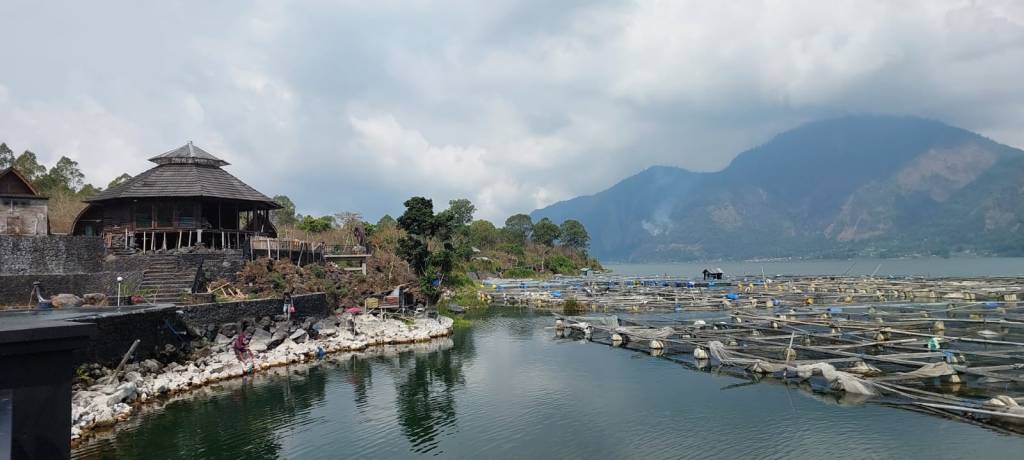
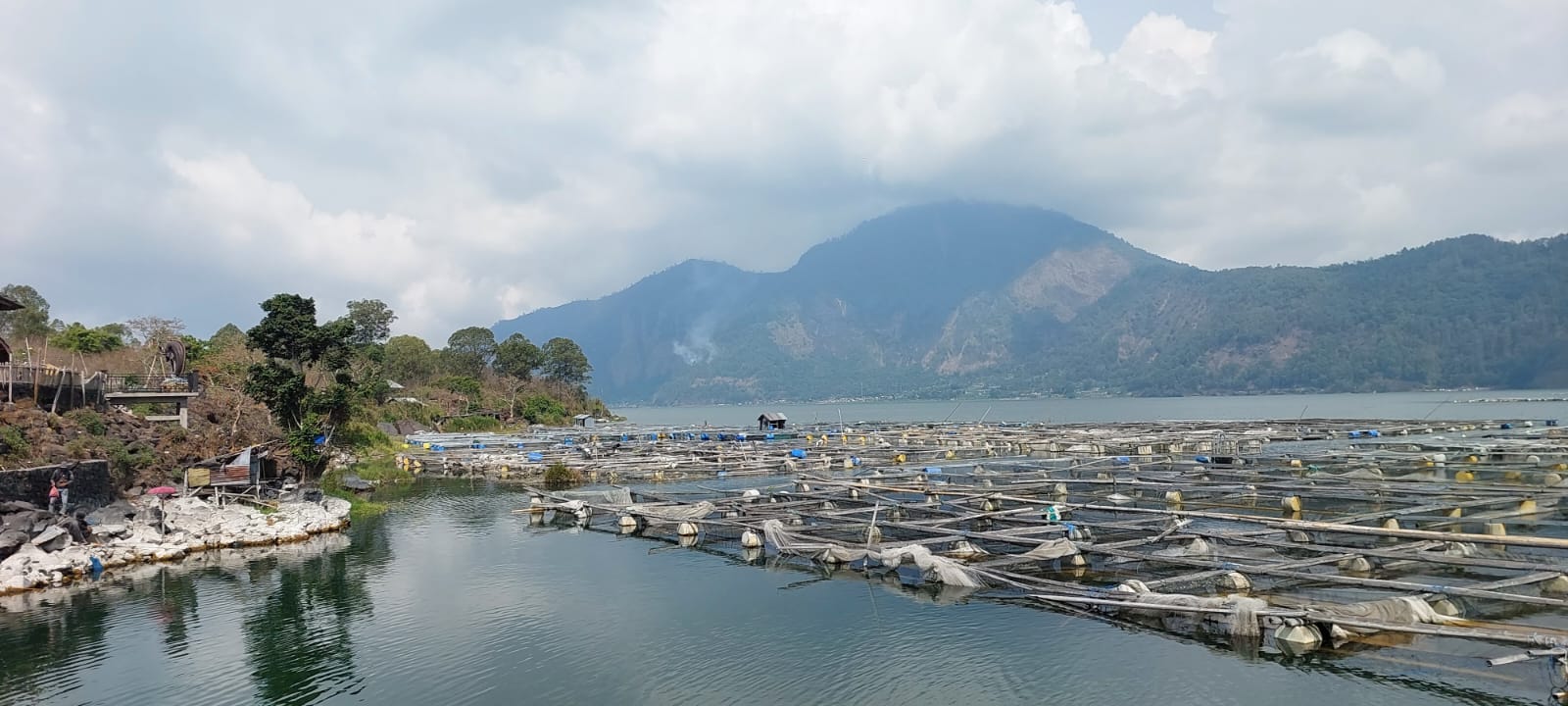
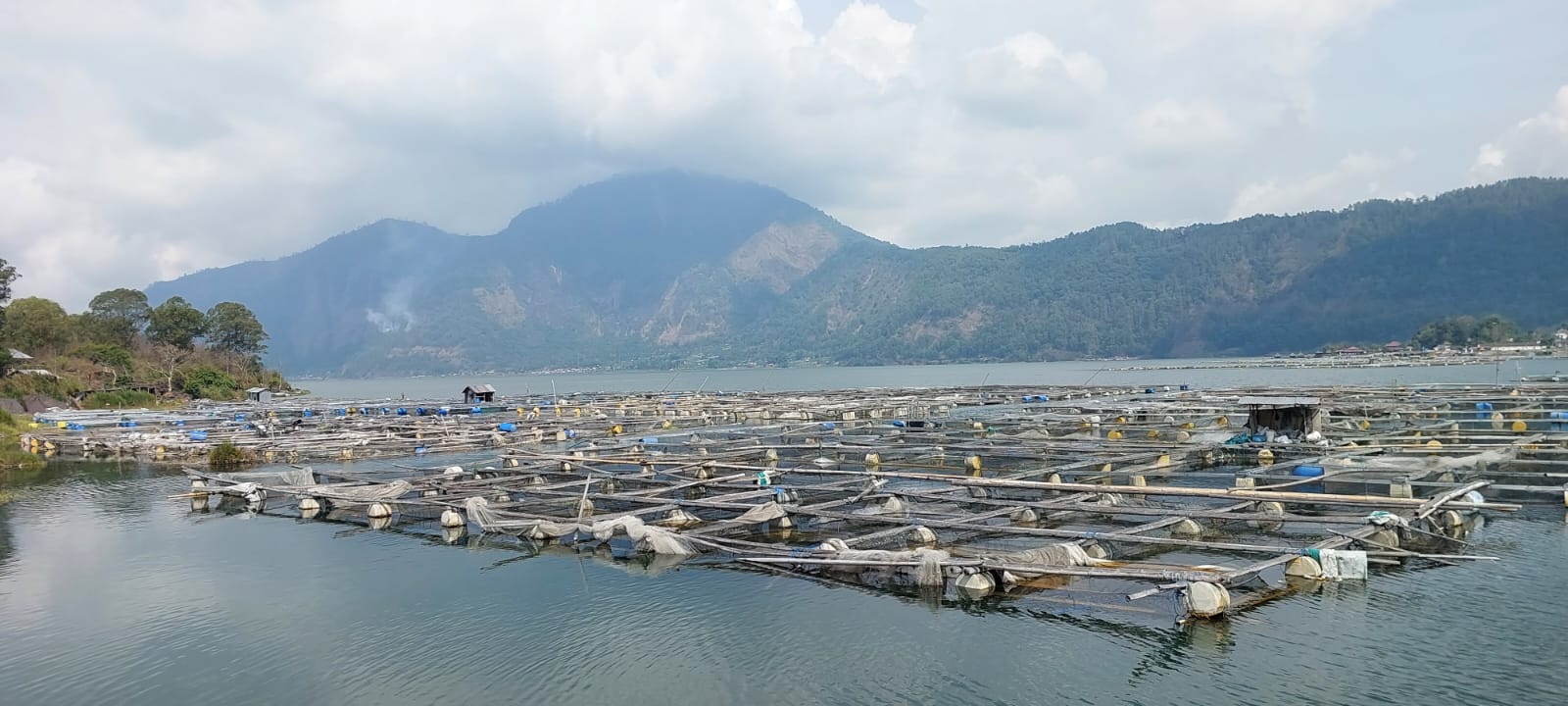
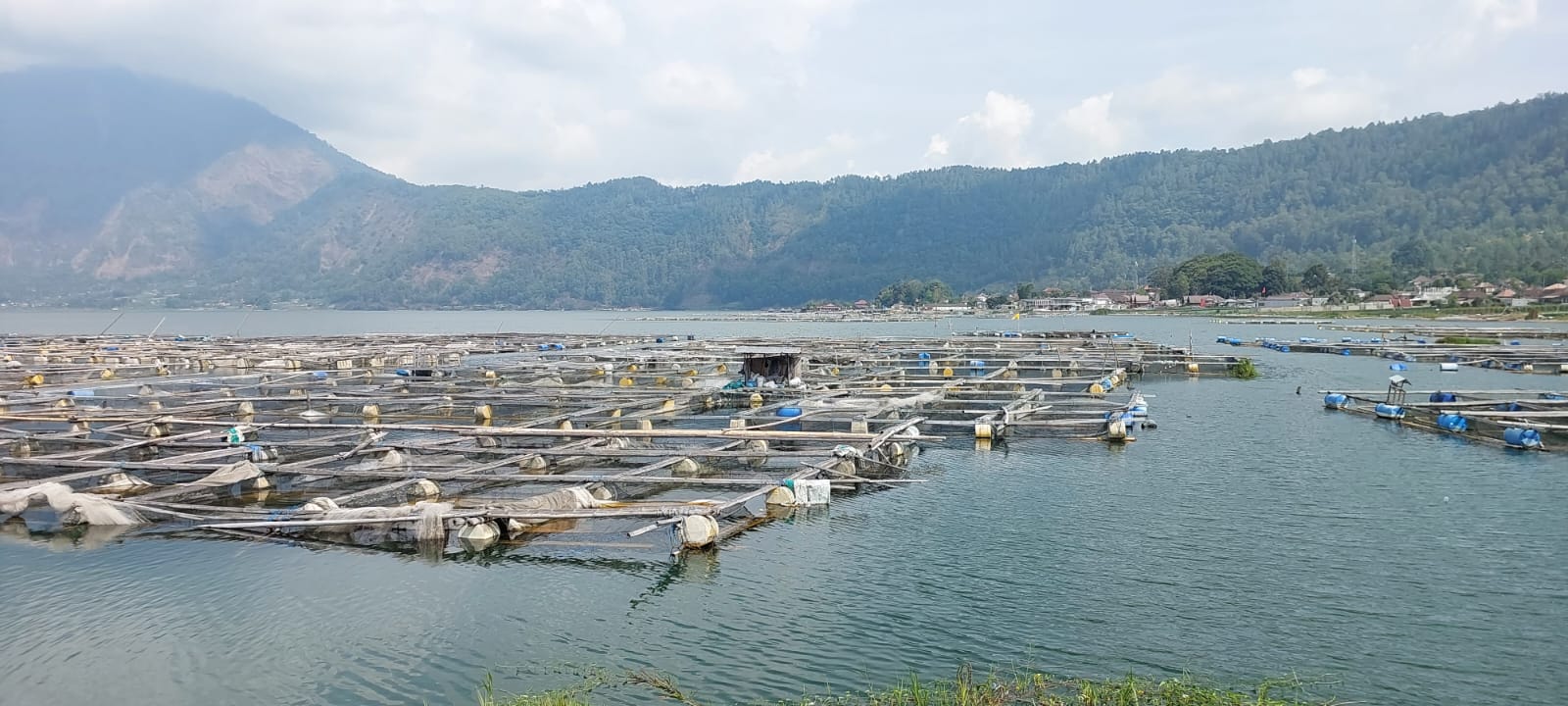
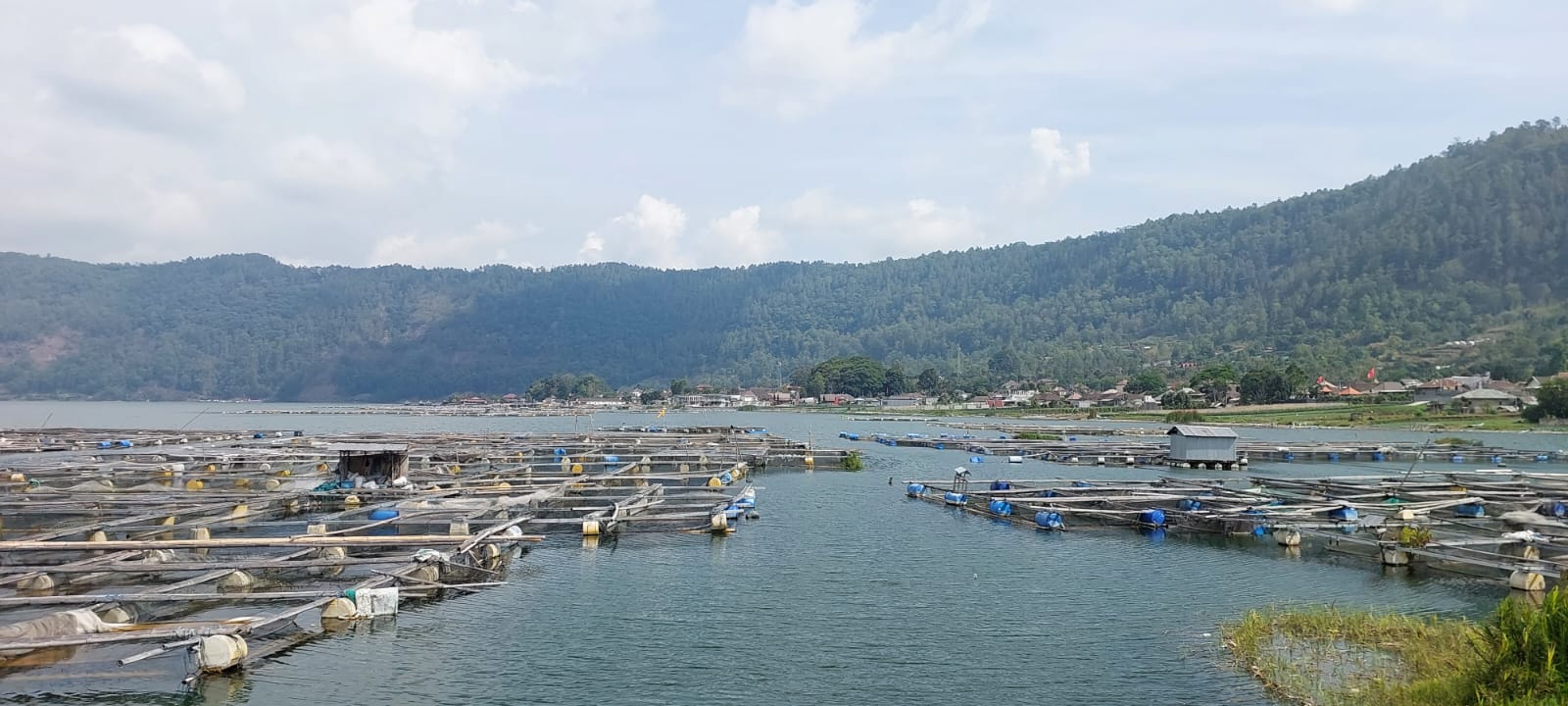
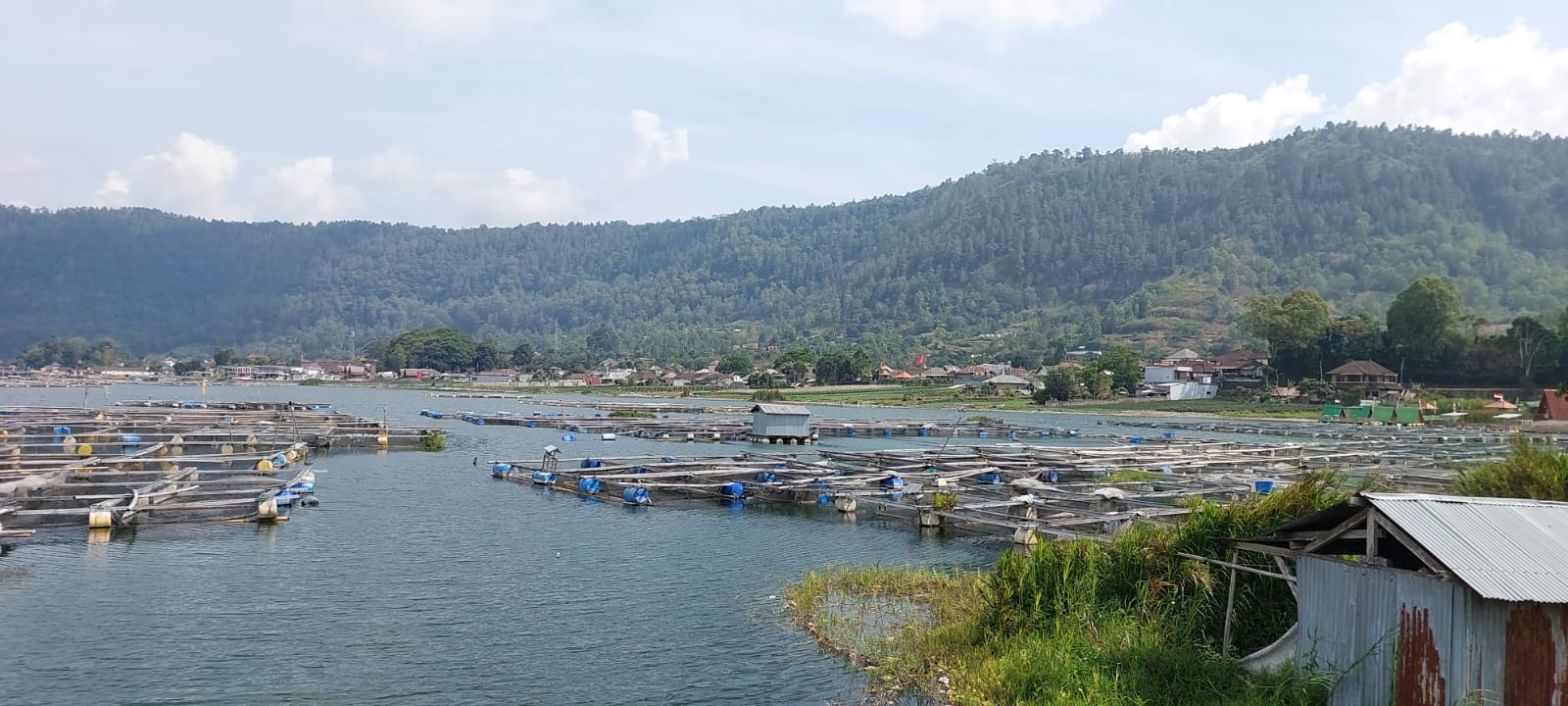
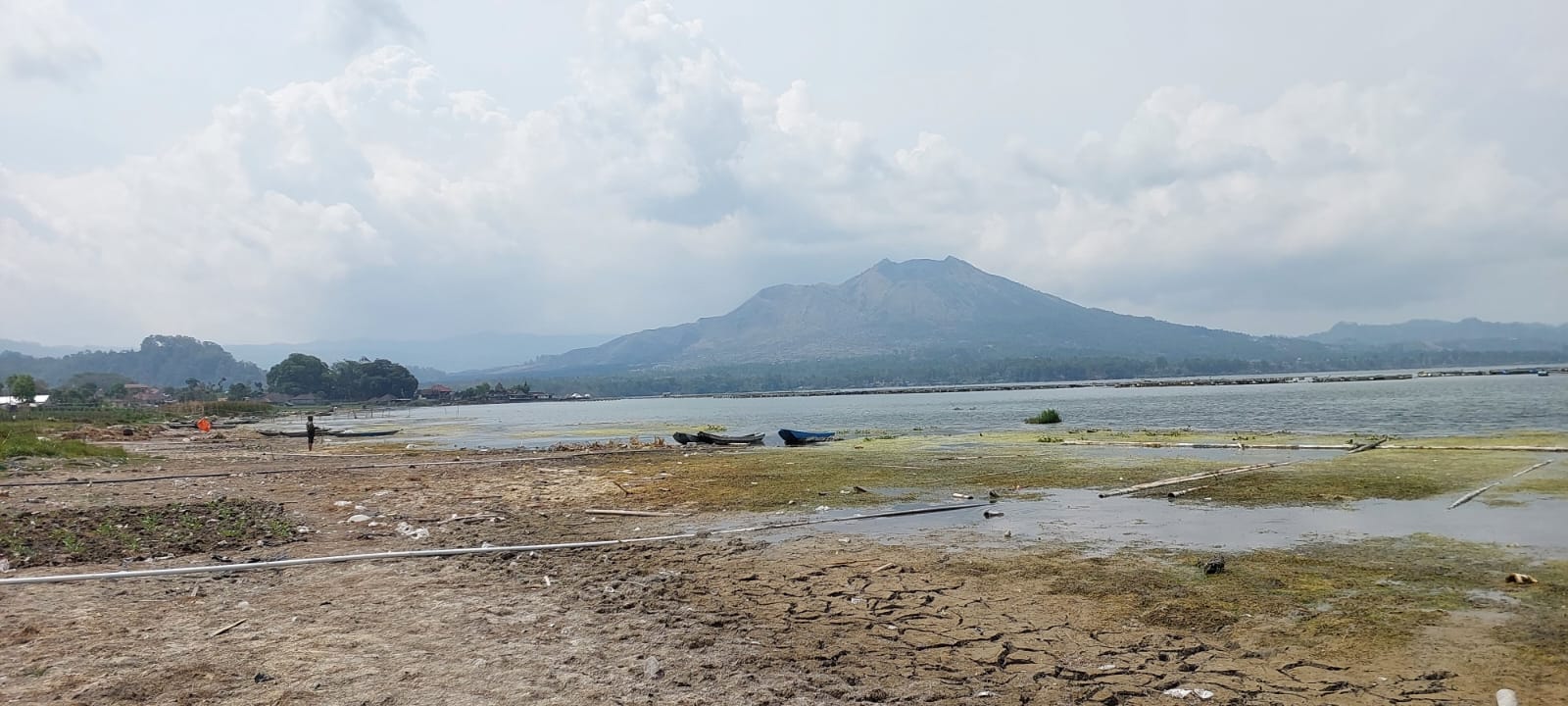
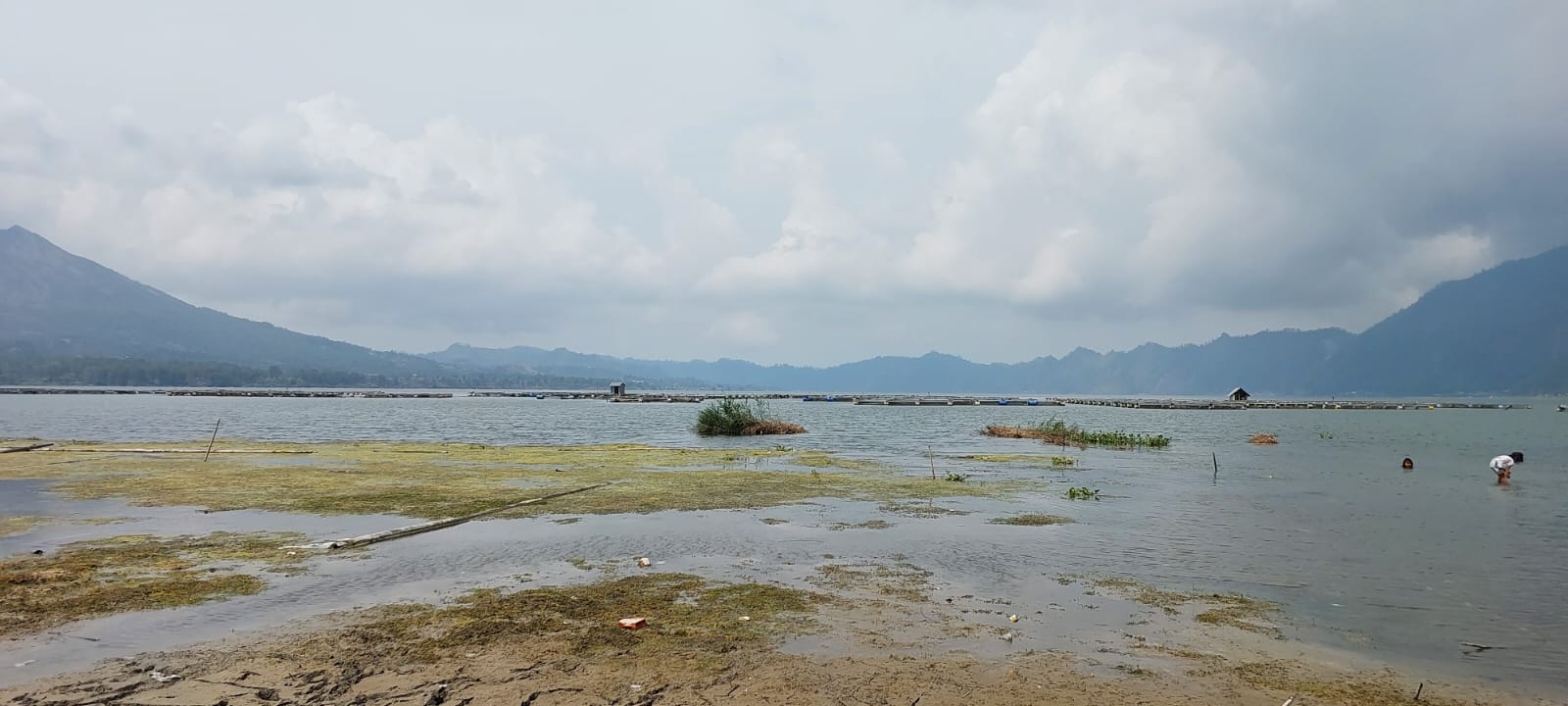
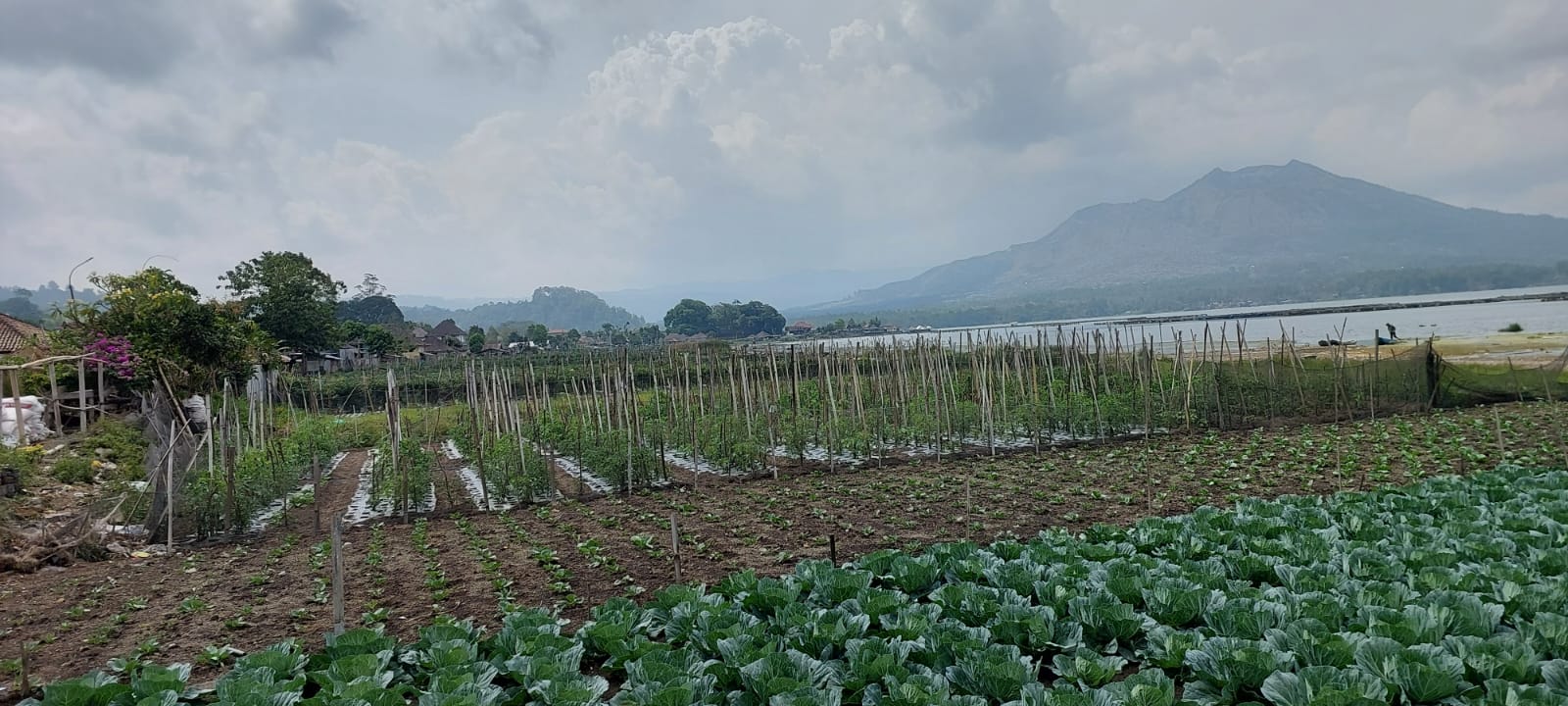
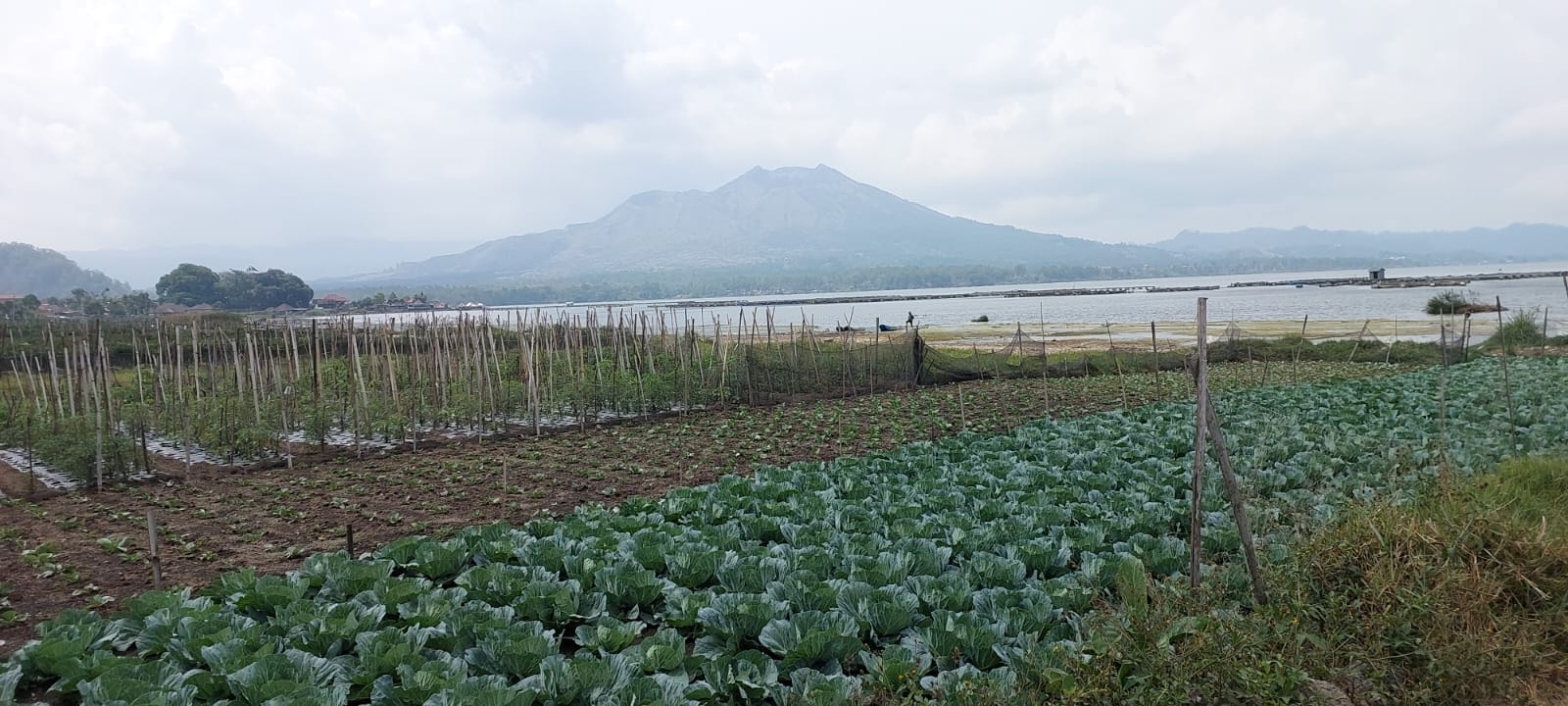
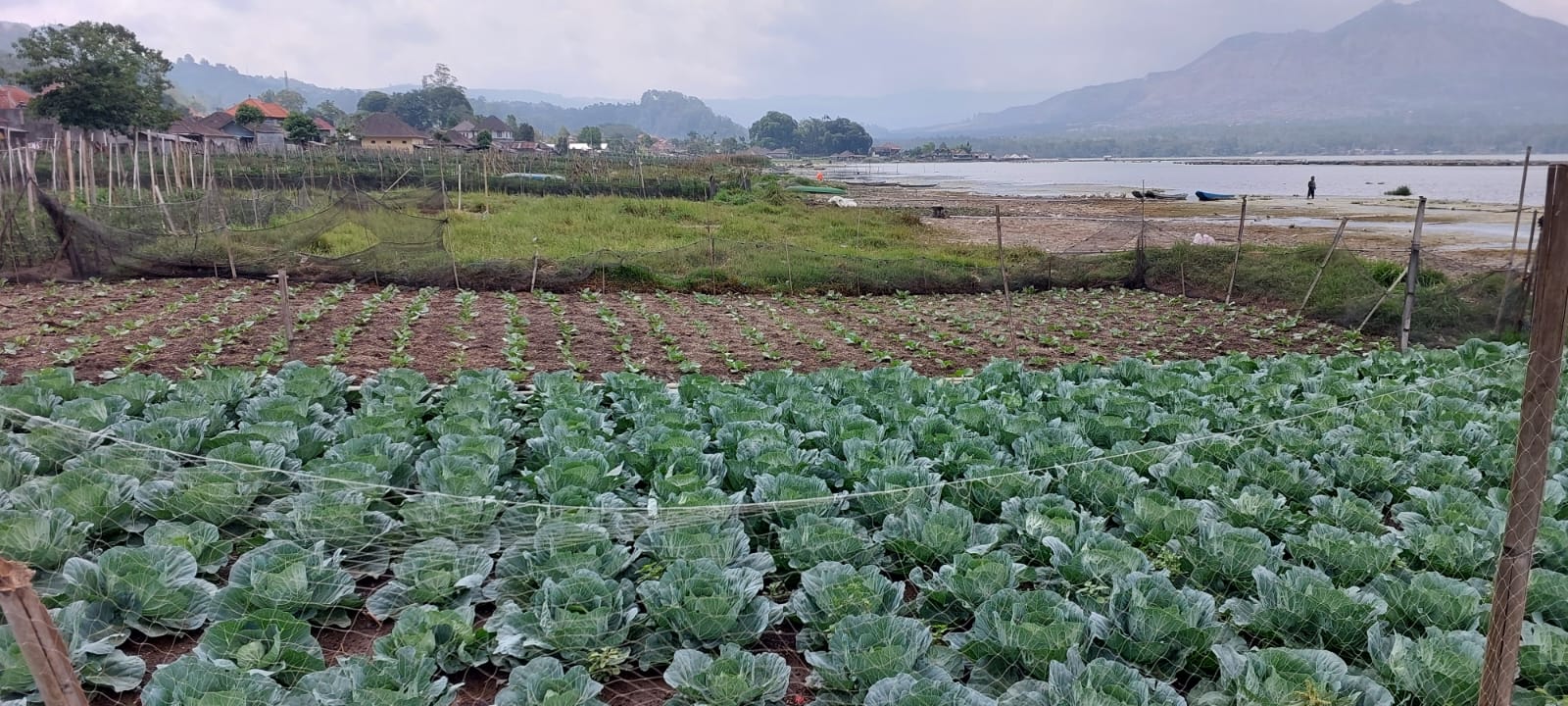
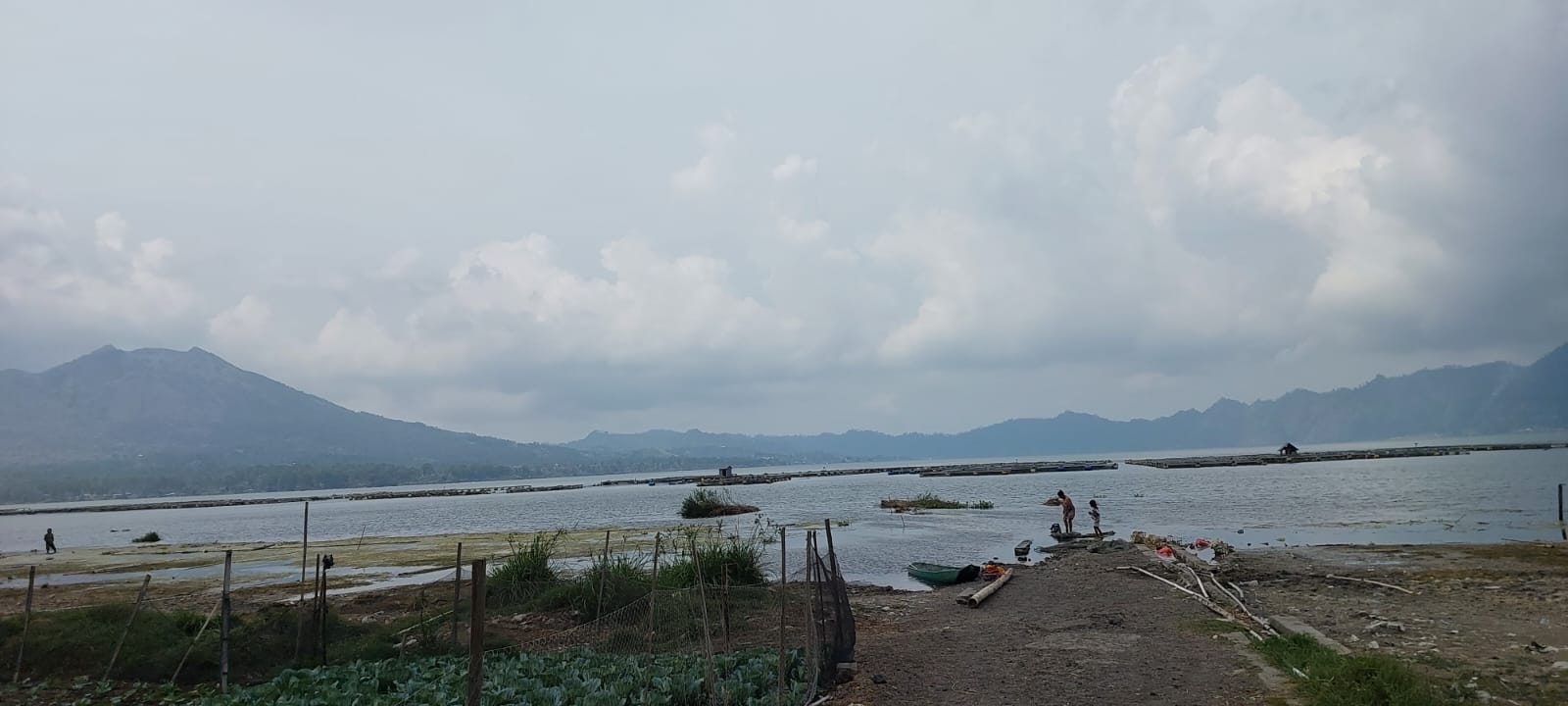
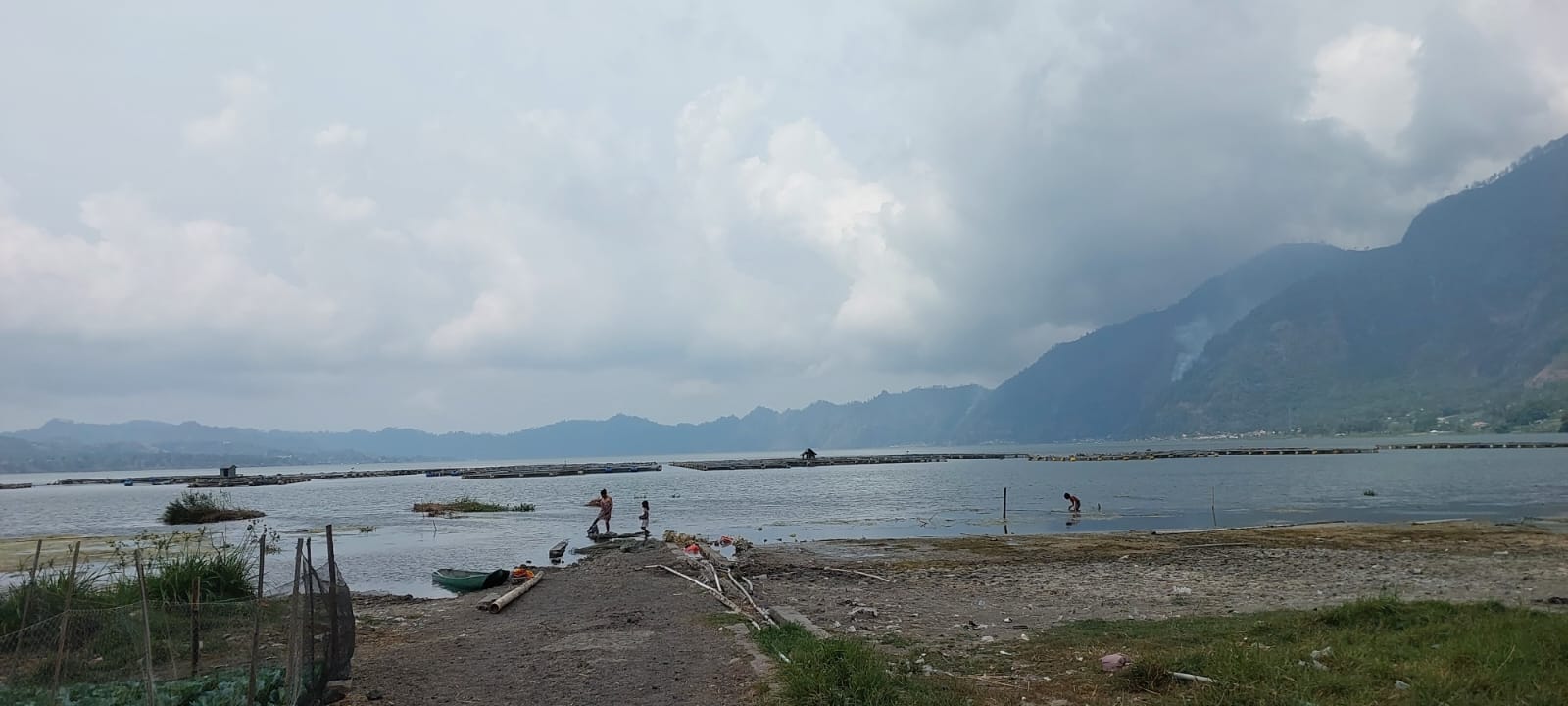
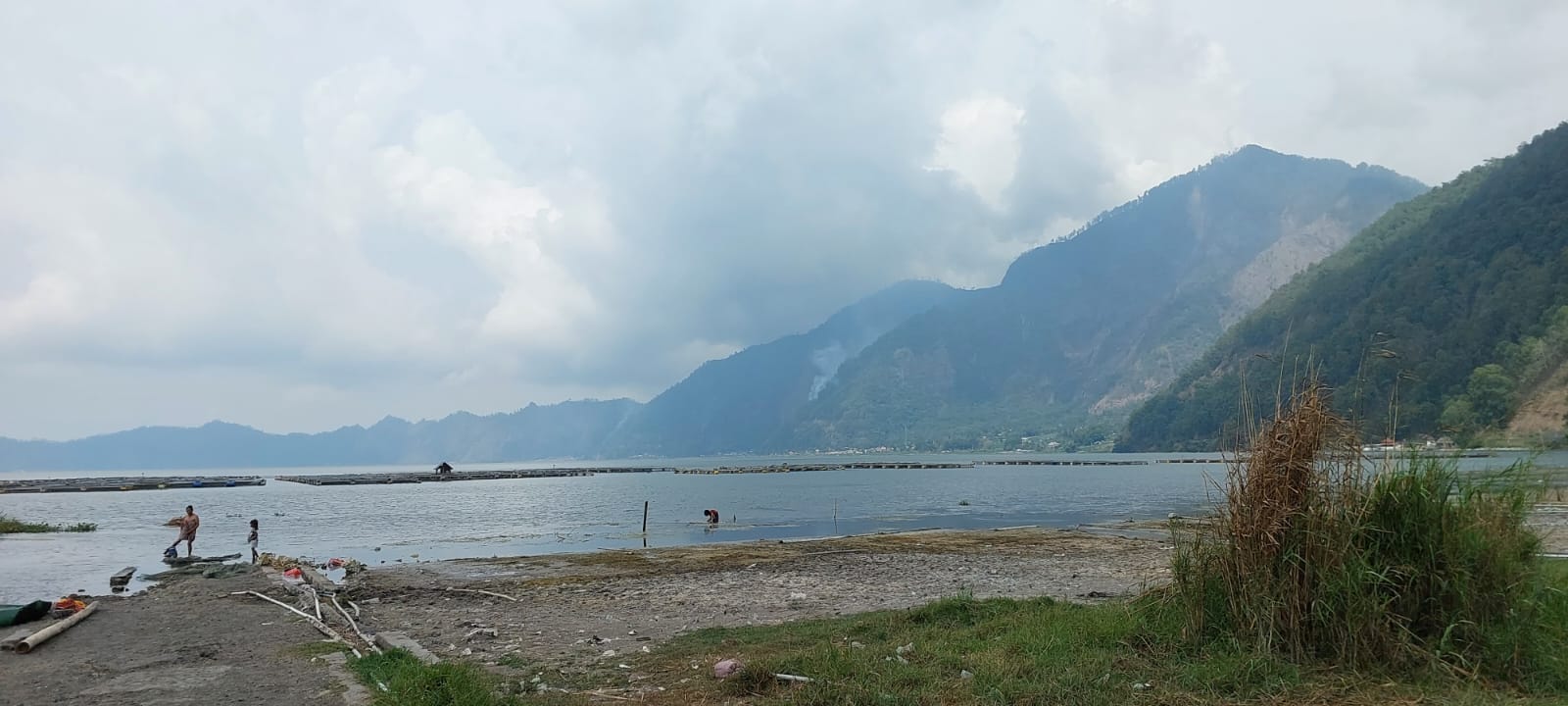
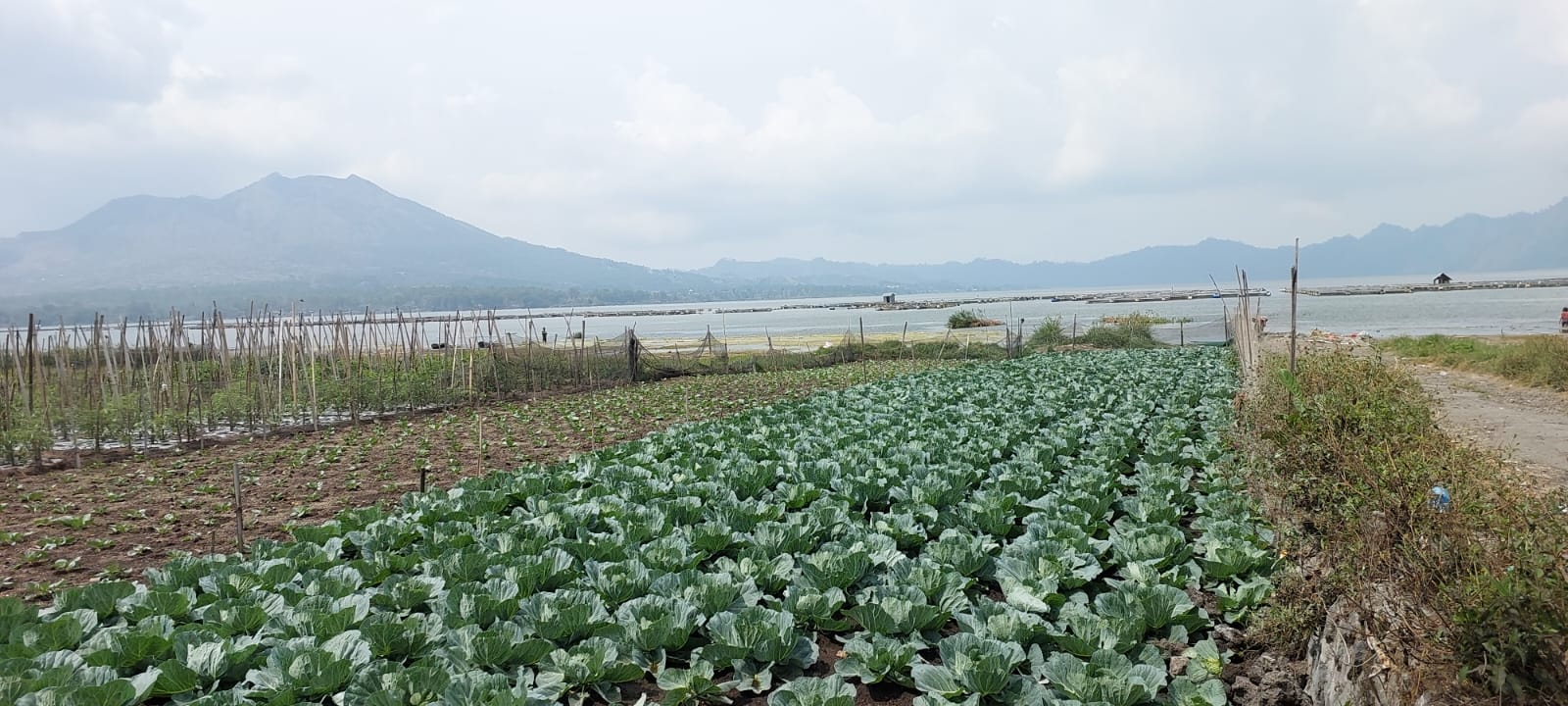
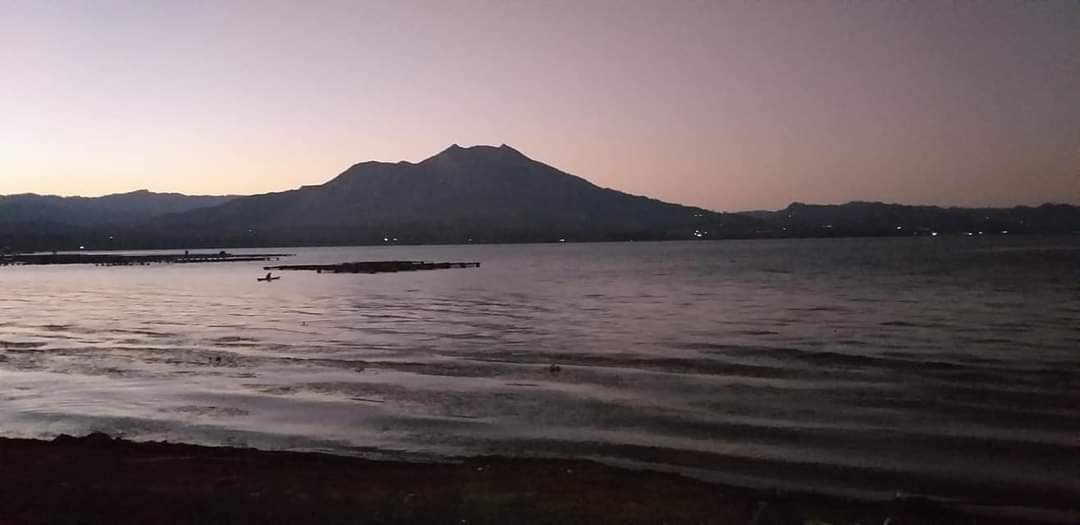
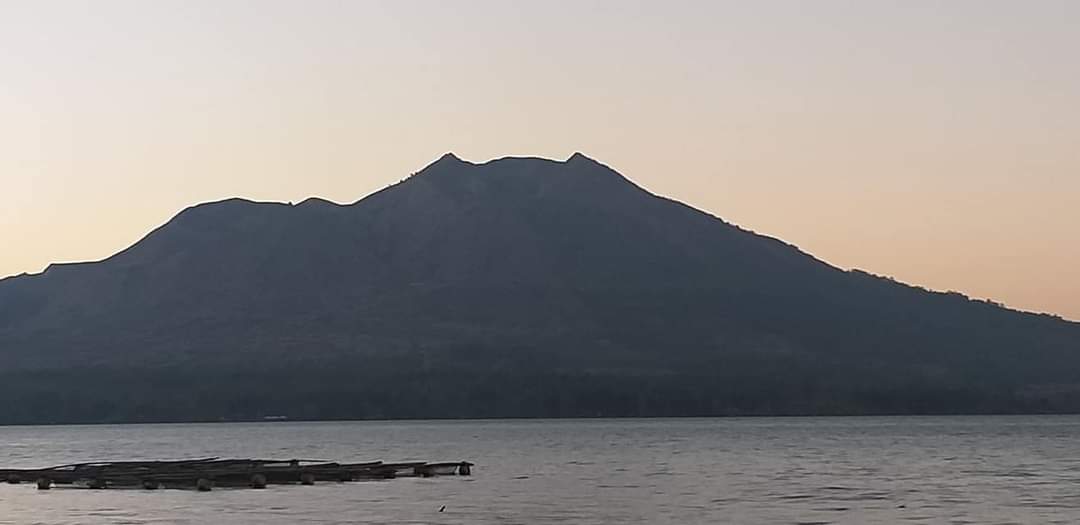
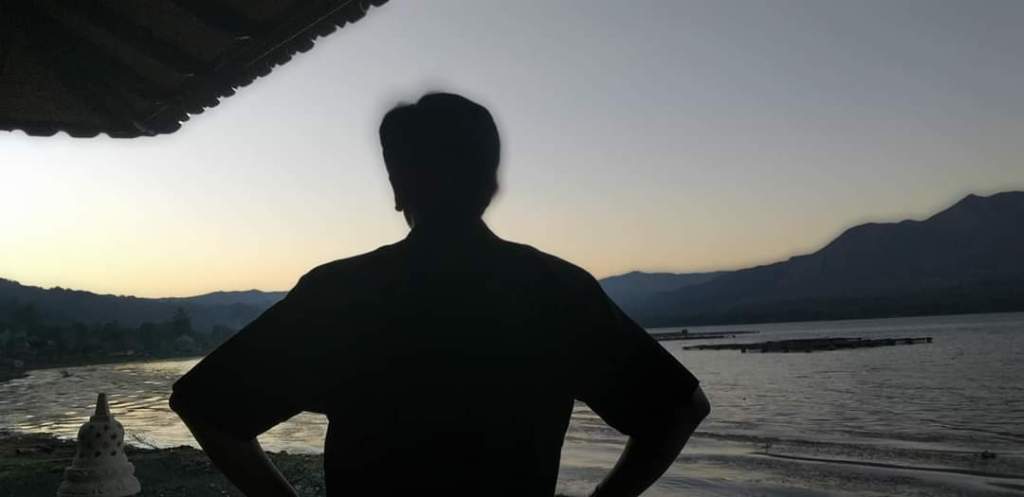
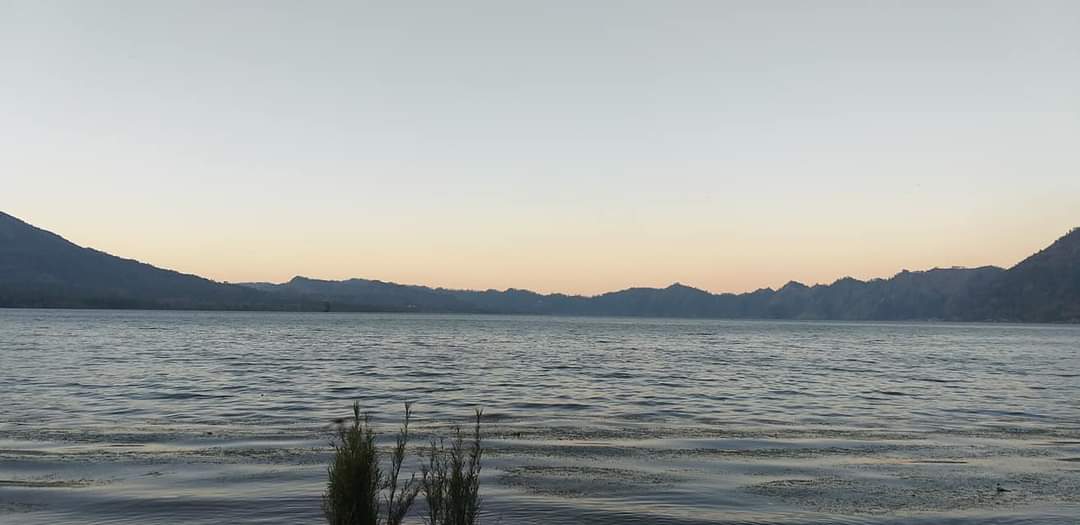
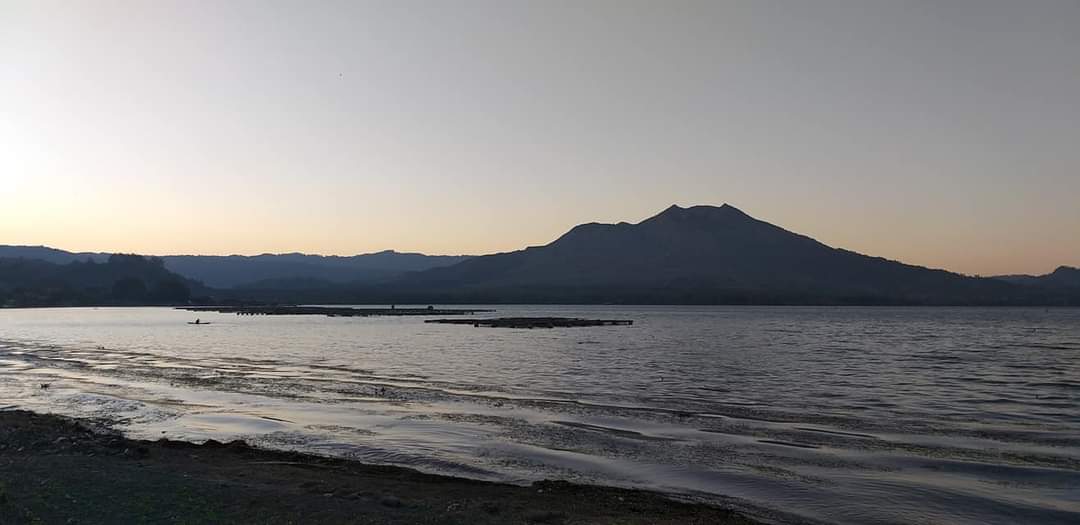
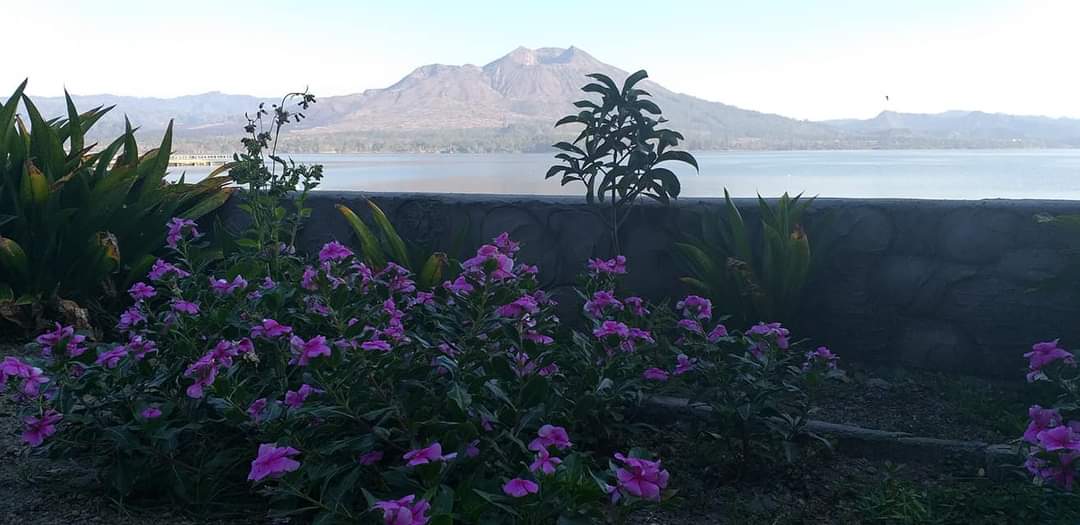
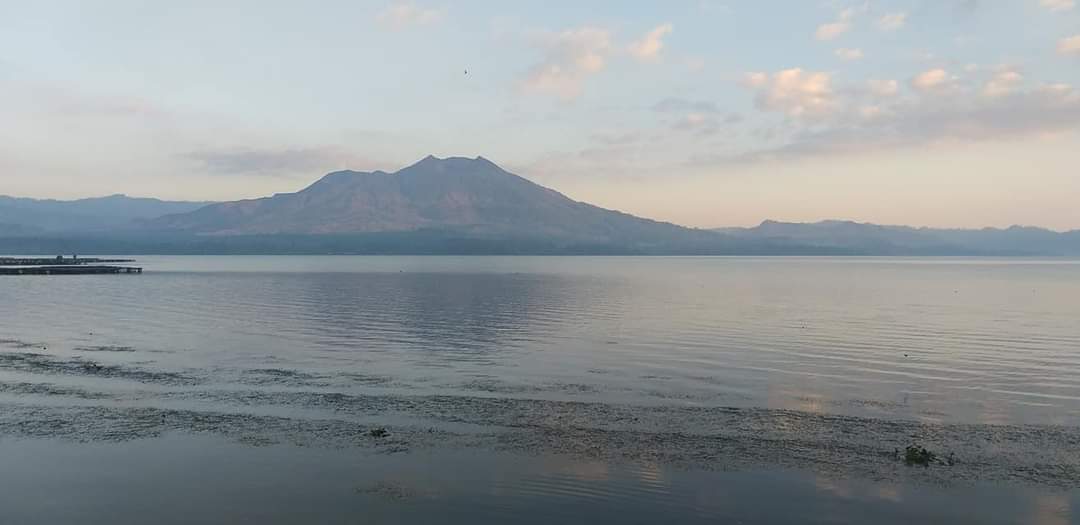
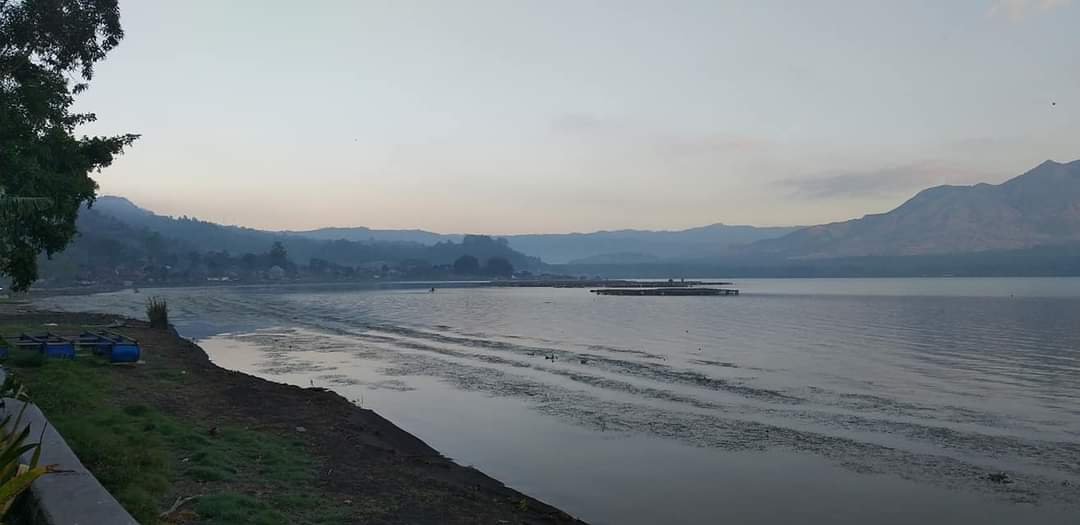
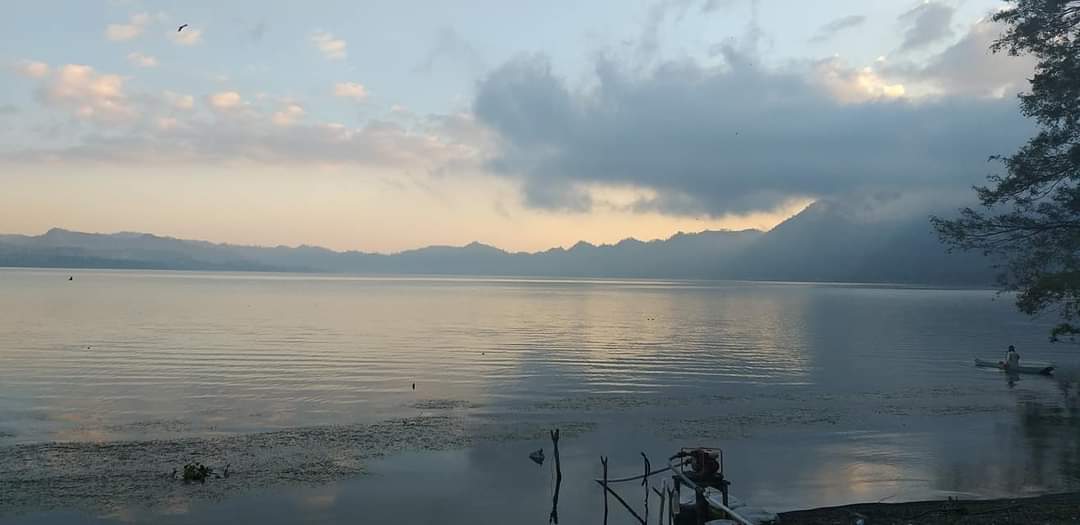
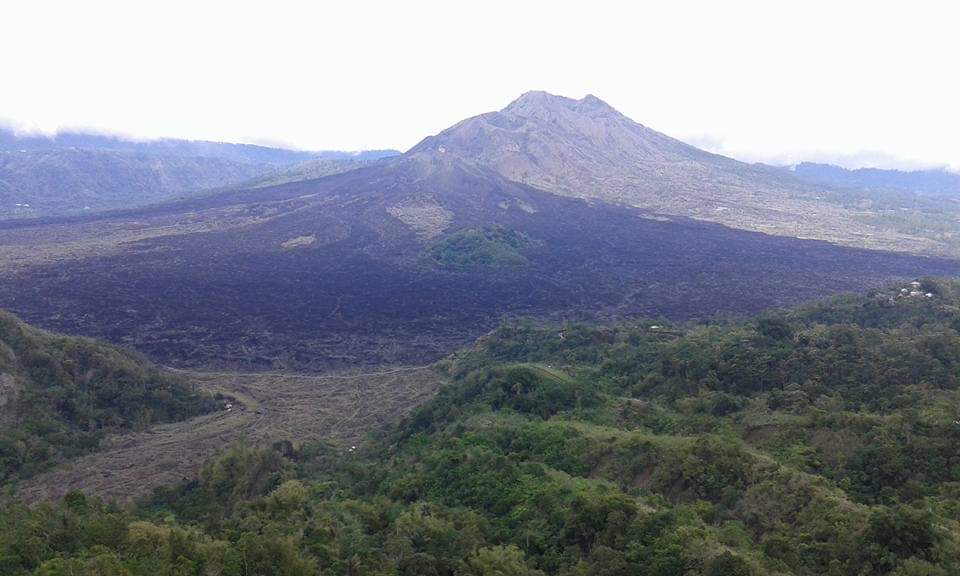
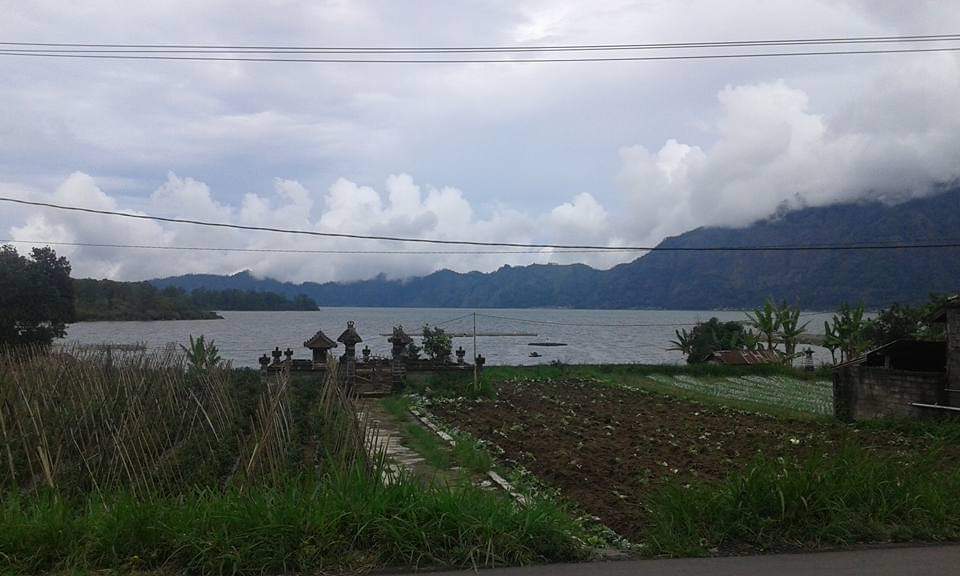
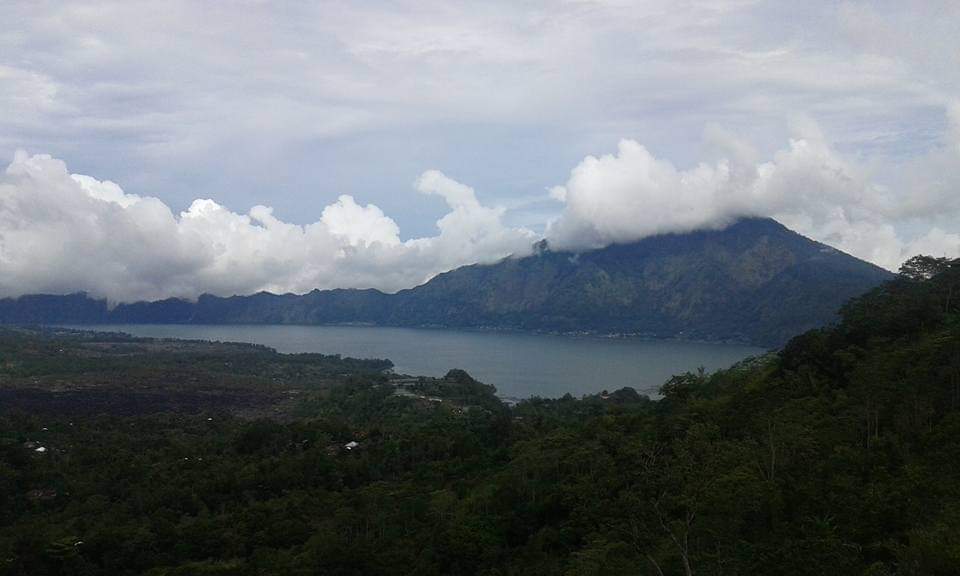
The villages of Kintamani and Penelokan provide a great view of the still active Mount Batur and its fantastic lake. Seven miles in diameter and sixty feet deep, Batur caldera is simply astounding. From Penelokan, take the road Kedisan on the shores of the lake where boats can be rented to cross over to Trunyan. The spectacular mountainous region around Kintamani with its deep Crater Lake and bubbling hot springs, make this region a must to visit. Batur Lake is the largest lake in Bali and the region offers some of the most spectacular views to be found anywhere on the island. Batur Lake also provides water for an underground network of streams and springs across the southern slopes of the mountain. Kintamani is really great for day trips, trekking or simply for getting away from it all for a few days.

The district is the earliest known kingdom in Bali, dating from the tenth century. The evenings get cool up here but it’s well worth the stay overnight to climb the volcano and watch the sunrise. Many cheap cottages are available here.

Kintamani can run through Payangan or from Denpasar through the Sangeh monkey forest, Plaga and Lampu, arriving to the north of Kintamani. Bemos to Kintamani are available from Ubud via Sakah (notable for its huge “Baby” statue). They also run via Tampaksiring and Bangli. From Denpasar bemos leave for Kintamani from the Batubulan terminal until late afternoon.

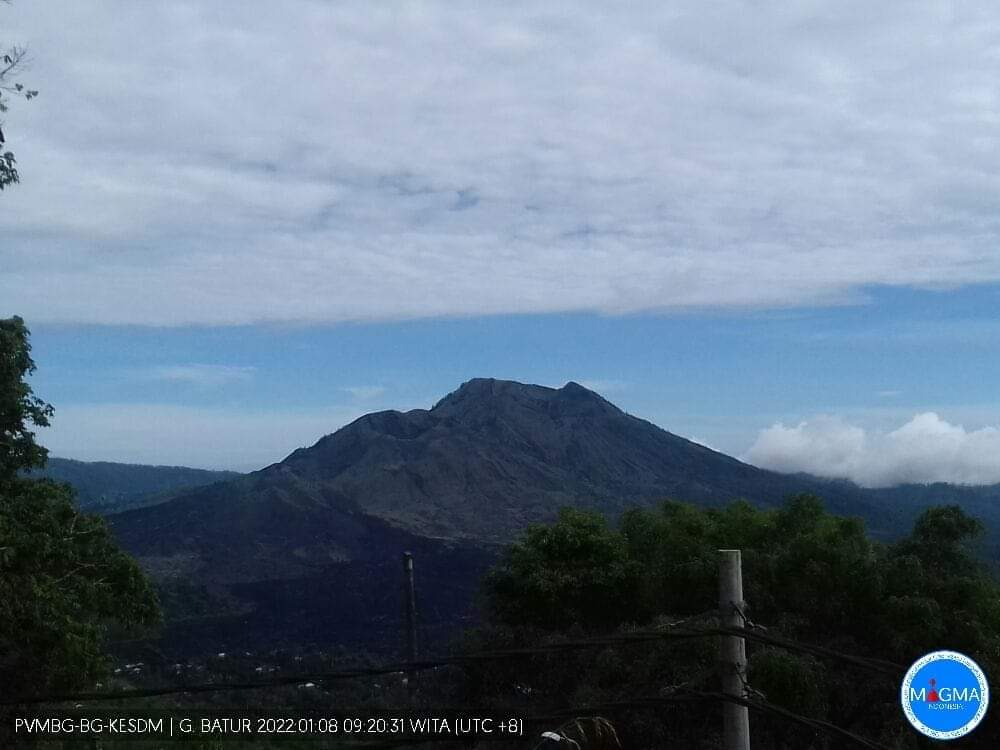
Tour to Kintamani is a very impressive experience where Kintamani Area have very beautiful panorama located in plateau and also encircled by mountain atmosphere with the windblast from Mount Batur. Carpet of Batur Lake seen far below and also there are local resident house beside of Batur Lake. Beside of that, Mount Batur which to date still be active growing its beautiful for Kintamani Area.

Klungkung

October 16, 2009

Klungkung

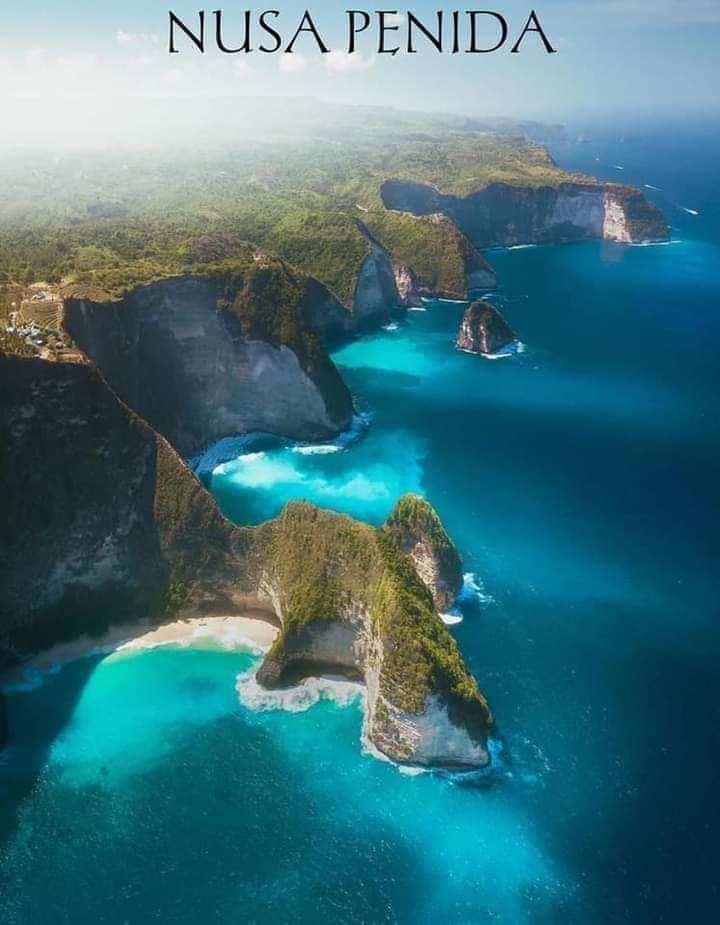
Bali’s smallest district Klungkung is located between Gianyar and Karangasem, and includes the island of Nusa Penida, Nusa Lembongan and Ceningan. Klungkung itself is a bustling town. Based on the decree of the Governor of Bali Province on 1993 number 528, Nusa Penida in one of with also fixed as a tourist resort in Bali. And then base of the Regency of Klungkung Government on 1996 decree number 284 there are 18 tourist object in the regency inclusive Nusa Penida. On reaching the town centre. Klungklung was the base of the ancient Javanese Hindu Kingdom in Bali, from where the Balinese royalty of today draws its bloodline. It is the oldest kingdom in Bali, with a most exalted Kings. The famous Kertha Gosa or Royal Court of Justice was built in Klungklung in the 18th century, displays one of Bali’s masterpieces. It has a wonderfully made ceiling displaying one of Bali’s masterpieces (murals portraying the punishment of hell and the rewards of heaven, and elaborated in thousands of panels of puppets) all on the ceiling. Klungklung’s golden glory is forever captured in its floating pavilion, elaborate garden, and charming lotus ponds. Klungklung satisfies one’s wish of returning to the glory of the ancient past.

Klungkung has played a most important role in Bali’s history. It was the seat of rule of Bali’s history. It also seat of rule of Bali’s most powerful dynasty of rajas, Dewa Agung, under whom the island was united during a glorious period of rich cultural influence. Gajah Mada, head of Majapahit, pacified and united Bali towards the end of the 13th century, incorporating the island into the Majapahit Empire. He set king Kepakisan, the first Dewa Agung “Great Deity”. To rule over the island from his court at Samprangan, near the present town of Klungkung. Several generations later this seat of power was removed to nearby Gelgel, where it established much authority and prestige under the fourth succeeding Dewa Agung.

Denpasar

October 16, 2009

Denpasar

Denpasar is Bali’s capital city. Although the modern centre of government departments, international banks, and many other offices, it still retains its unique Balinese personality. This is strongly felt and clearly seen in its many temples, universities and pleasant gardens, which still maintain their presence and influence. Denpasar has the Pura Jagatnatha, a temple dedicated to Bali’s Supreme God, Sang Hyang Widi. There are interesting statues of a turtle and two mystical dragons in the temple, signifying the foundation of the world. The Pura’s awesome architecture resembles that of Balinese palace. It has now been converted into a museum housing a fine collection of prehistoric and modern art. The famous 4th century Pura Maospahit, is right next to Pura Jaganatha.

There is also an interesting place like; the government-supervised art centre, Sanggraha Kriya Hasta, which also home to a tremendous variety of handicraft and works of art. Taman Wedhi Budaya, meanwhile, is an arts centre with occasional exhibits of paintings, crafts and carvings, and holds traditional dances every evening. It is also the host of the annual Bali Arts Festival in June to July, with performances, exhibitions, art contest, and other activities of artistic nature.

The main street of Denpasar start with Gajah Mada Street in the west, Surapati Street in the centre, followed by Hayam Wuruk Street and ends as Raya Sanur Street in the east. There are many things of history and culture to see. The Puputan Square, with its heroic Catur Mukha, fondly commemorates the Balinese’s suicidal stand against the Dutch. Until today, it is touchingly, a popular meeting place for locals in the evenings.

Bali

May 15, 2009

From Wikipedia, the free encyclopedia

Bali
Lambang Bali
Motto: Bali Dwipa Jaya
(“Glorious Bali Island”)
Map showing Bali within Indonesia
Capital Denpasar
Governor Made Mangku Pastika
Area 5,632.86 km2 (2,175 sq mi)
Population 3,150,000 (2000)
Density 559.2 /km2 (1,448 /sq mi)
Ethnic groups Balinese (89%), Javanese (7%), Baliaga (1%), Madurese (1%)[1]
Religion Hindu (93.18%), Muslim (4.79%), Christian (1.38%), Buddhist (0.64%)
Languages Indonesian (official), Balinese
Time zone UTC+8
Web site www.baliprov.go.id

Bali is an Indonesian island located at 8°25′23″S 115°14′55″E/8.42306°S 115.24861°E/-8.42306; 115.24861Coordinates: 8°25′23″S 115°14′55″E/8.42306°S 115.24861°E/-8.42306; 115.24861, the westernmost of the Lesser Sunda Islands, lying between Java to the west and Lombok to the east. It is one of the country’s 33 provinces with the provincial capital at Denpasar towards the south of the island.
With a population recorded as 3,151,000 in 2005, the island is home to the vast majority of Indonesia’s small Hindu minority. 93.18% of Bali’s population adheres to Balinese Hinduism, while most of the remainder follow Islam. It is also the largest tourist destination in the country and is renowned for its highly developed arts, including dance, sculpture, painting, leather, metalworking and music.

History

Temple offering in predominantly Hindu Bali island.

Bali was inhabited by Austronesian peoples by about 2000 BCE who migrated originally from Taiwan through Maritime Southeast Asia.[2] Culturally and linguistically, the Balinese are thus closely related to the peoples of the Indonesian archipelago, the Philippines, and Oceania.[3] Stone tools dating from this time have been found near the village of Cekik in the island’s west.[4]
Balinese culture was strongly influenced by Indian and Chinese, and particularly Hindu culture, in a process beginning around the 1st century AD. The name Bali dwipa (“Bali island”) has been discovered from various inscriptions, including the Blanjong charter issued by Sri Kesari Warmadewa in 913 AD and mentioning Walidwipa. It was during this time that the complex irrigation system subak was developed to grow rice. Some religious and cultural traditions still in existence today can be traced back to this period. The Hindu Majapahit Empire (1293–1520 AD) on eastern Java founded a Balinese colony in 1343. When the empire declined, there was an exodus of intellectuals, artists, priests and musicians from Java to Bali in the 15th century.
The first European contact with Bali is thought to have been made by Dutch explorer Cornelis de Houtman who arrived in 1597, though a Portuguese ship had foundered off the Bukit Peninsula as early as 1585.[citation needed] Dutch colonial control was expanded across the Indonesian archipelago in the nineteenth century (see Dutch East Indies). Their political and economic control over Bali began in the 1840s on the island’s north coast by playing various distrustful Balinese realms against each other.[5] In the late 1890s, struggles between Balinese kingdoms in the island’s south were exploited by the Dutch to increase their control. The Dutch mounted large naval and ground assaults at the Sanur region in 1906 and were met by the thousands of members of the royal family and their followers who marched to certain death against superior Dutch force in a suicidal puputan defensive assault rather than face the humiliation of surrender.[5] Despite Dutch demands for surrender, an estimated 4,000 Balinese marched to their death against the invaders. In 1908, a similar massacre occurred in the face of a Dutch assault in Klungkung. Afterwards the Dutch governors were able to exercise little influence over the island, and local control over religion and culture generally remained intact.

Dutch rule over Bali had come later and was never as well established as in other parts of Indonesia such as Java and Maluku. Imperial Japan occupied Bali during World War II during which time a Balinese military officer, Gusti Ngurah Rai, formed a Balinese ‘freedom army’. In the 1930s, anthropologists Margaret Mead and Gregory Bateson, and artists Miguel Covarrubias and Walter Spies, and musicologist Colin McPhee created a western image of Bali as “an enchanted land of aesthetes at peace with themselves and nature”, and western tourism first developed on the island.[6] Following Japan’s Pacific surrender in August 1945, the Dutch promptly returned to Indonesia, including Bali, immediately to reinstate their pre-war colonial administration. This was resisted by the Balinese rebels now using Japanese weapons. On 20 November 1946, the Battle of Marga was fought in Tabanan in central Bali. Colonel I Gusti Ngurah Rai, 29 years old, finally rallied his forces in east Bali at Marga Rana, where they made a suicide attack on the heavily armed Dutch. The Balinese battalion was entirely wiped out, breaking the last thread of Balinese military resistance. In 1946 the Dutch constituted Bali as one of the 13 administrative districts of the newly-proclaimed Republic of East Indonesia, a rival state to the Republic of Indonesia which was proclaimed and headed by Sukarno and Hatta. Bali was included in the “Republic of the United States of Indonesia” when the Netherlands recognised Indonesian independence on 29 December 1949.

The 1963 eruption of Mount Agung killed thousands, created economic havoc and forced many displaced Balinese to be transmigrated to other parts of Indonesia. Mirroring the widening of social divisions across Indonesia in the 1950s and early 1960s, Bali saw conflict between supporters of the traditional caste system, and those rejecting these traditional values. Politically, this was represented by opposing supporters of the Indonesian Communist Party (PKI) and the Indonesian Nationalist Party (PNI), with tensions and ill-feeling further increased by the PKI’s land reform programs.[5] An attempted coup in Jakarta was put down by forces led by General Suharto. The army became the dominant power as it instigated a violent anti-communist purge, in which the army blamed the PKI for the coup. Most estimates suggest that at least 500,000 people were killed across Indonesia, with an estimated 80,000 killed in Bali, equivalent to 5 per cent of the island’s population.[7] With no Islamic forces involved as in Java and Sumatra, upper-caste PNI landlords led the extermination of PKI members.[8]

As a result of the 1965/66 upheavals, Suharto was able to maneuver Sukarno out of the presidency, and his “New Order” government reestablished relations with western countries. The pre-War Bali as “paradise” was revised in a modern form, and the resulting large growth in tourism has led to a dramatic increase in Balinese standards of living and significant foreign exchange earned for the country.[5] A bombing in 2002 by militant Islamists in the tourist area of Kuta killed 202 people, mostly foreigners. This attack, and another in 2005, severely affected tourism, bringing much economic hardship to the island.

Geography

See also List of bodies of water in Bali and List of mountains in Bali.

Topography of the island

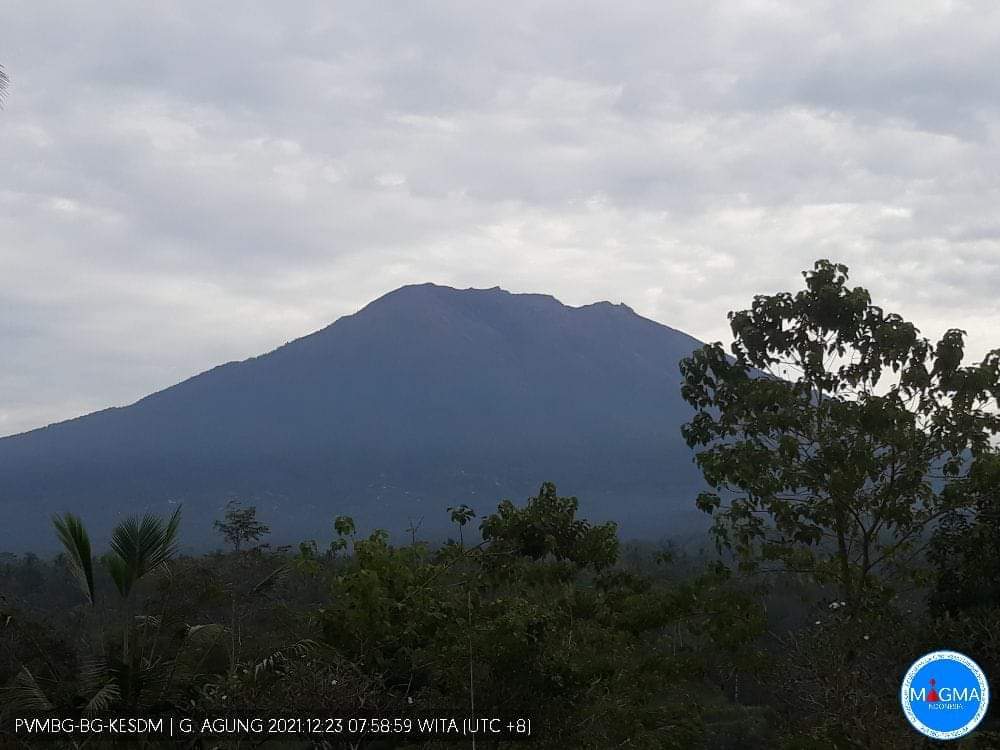
The island of Bali lies 3.2 km (2 mi) east of Java, and is approximately 8 degrees south of the equator. East to west, the island is approximately 153 km (95 mi) wide and is approximately 112 km (69 mi) north to south; it’s land area is 5,632 km². The highest point is Mount Agung at 3,142 m (10,308 feet) high, an active volcano that last erupted in March 1963. Mountains cover centre to the eastern side, with Mount Agung the easternmost peak. Mount Batur (1,717 m) is also still active; an eruption 30,000 years ago was one of the largest known volcanic events on Earth.[citation needed]

In the south the land descends to form an alluvial plain, watered by shallow, north-south flowing rivers, drier in the dry season and overflowing during periods of heavy rain. The longest of these rivers, Sungai Ayung, is also the longest on the island (approx. 75 km).

The principal city is the present provincial capital and largest city, Denpasar, near the southern coast. Its population is around 300,000. Bali’s second-largest city is the old colonial capital, Singaraja, which is located on the north coast and is home to around 100,000 people. Other important cities include the beach resort, Kuta, which is practically part of Denpasar’s urban area; and Ubud, which is north of Denpasar, and known as the island’s cultural centre.

Southern Bali in the foreground and Mount Agung behind

There is a coastal road surround the island, as well as three major two-lane arteries that cross the central mountains at passes reaching to 1,750m in height (at Penelokan). Minor roads branch off of these major highways. The Ngurah Rai Bypass is a four-lane expressway that partly encircles Denpasar and enables cars to travel quickly in the heavily populated south. Bali has no railway lines.

The island is surrounded by coral reefs. Beaches in the south tend to have white sand while those in the north and west have black sand. The beach town of Padangbai in the south east has both[citation needed]. Bali has no major waterways, although the Ho River is navigable by small sampan boats. Black sand beaches between Pasut and Klatingdukuh are being developed for tourism, but apart from the seaside temple of Tanah Lot, they are not yet used for significant tourism.

To the east, the Lombok Strait separates Bali from Lombok and marks the biogeographical division between the fauna of the Indomalayan ecozone and the distinctly different fauna of Australasia. The transition is known as the Wallace Line, named after Alfred Russel Wallace, who first proposed a transition zone between these two major biomes. When sea levels dropped during the Pleistocene ice age, Bali was connected to Java and Sumatra and to the mainland of Asia and shared the Asian fauna, but the deep water of the Lombok Strait continued to keep Lombok and the Lesser Sunda archipelago isolated.

Ecology

The Bali Starling lives only on Bali. As few as six may exist in the wild as of 2001

Bali has around 280 species of birds, including the critically endangered Bali Starling. The only endemic high-level predator of the island, the Bali tiger, became extinct in the 1930s.

The Bali Barat National Park, located on the north western side of the island, is a refuge for wildlife such as the Sunda Pangolin, Indian Muntjac, Mouse-deer, Leopard Cat, Black Giant Squirrel, and several species of macaque and leaf monkey.

Denpasar at a glimpse

December 18, 2008

Denpasar at a glimpse

As the Capital City of Bali, Denpasar has many places of interest that are worth seen. As usual, we would like to warn you to be careful while crossing are street in Denpasar. Motorist and riders prefers to blow their horns rather than put on their brakes! Therefore, we advise you to rise and wave your hand while cross the street confidently rather than doubtful.

By doing this, you will force the motorist to give you a chance to cross the street. Besides being known as an administration and business center, Denpasar is also known as an educational center. There are at least 16 univercities available in the city as well as hundreds of school such as kindergartens, elementary, and high schools. For tour of Denpasar, you’d better started from Puputan Badung Square, at the center of the city. The garden square is usually crowded in the afternoon when families bring their children to play around. At the east of the square is a Hindu temple called Pura Agung Jaganatha which is visited by Hindu followers on special occasions such as on the night of the full moon and new moon. Next to the temple there is the Bali Museum, which has the most comprehensive collection to artifacts and record of Balinese history from the prehistoric to the Second World War.

The museum displays ancients weapons such as Keris (traditional daggers) and other traditional weapons, clothes, ceramics and other historical artifacts. The museum opens from 08.00 AM – 03.00 PM, is closed on Saturday and public holidays. In the eastern part of the city you will find the Bali Arts Center and ISI (the Fine Arts Institute), a center for art education including dancing and the ‘karawitan’ (music or gamelan). To the far is of Denpasar is Sanur and Padanggalak beach which is often visited by people and students during the holidays season. For those who like shopping in Denpasar shopping center both for traditional markets and modern supermarkets that are easily found in the city are recommended. The Badung and Kumbasari markets open around the clock. Early in the morning you can witness farmers selling their harvest to market stall owners.

These transactions started at about midnight and run to four in the morning; then from 04.00-08.00 AM the trader s sell fruits, vegetables and other produce to local customers. From 08.00 AM to 02.00 PM the clothes and home appliances shops open, while in the evening you can enjoy the night market or pasar senggol which sell all kinds of delicious dishes until midnight. Beside these two market, you can go to another night market called pasar senggol Angsoka Kreneng. Denpasar has also several royal palaces (puri). The original Puri Denpasar was destroyed by the Dutch in 1906, it’s at the north of Puputan Badung square and is currently used as the State House for the Governor of Bali – it is called the Jaya Sabha building.

The remaining palaces of the Kingdom of Denpasar are: Puri Satria (Jl. Veteran, 200m northern of Puputan Badung Square), Puri Pemecutan (Jl. Thamrin, 200m western Denpasar), Puri Kesiman (Jl. WR. Supratman, 2km eastern Denpasar) and Puri Jero Kuta (on Jl. Dr. Sutomo 500m north-west). While you are in Denpasar, you can rent a dokar (a traditional horse-drawn buggy). You pay around Rp. 50.000 and the dokar driver will take you around the city to the Bali Museum and traditional market. Dokars which can carry 2 or 3 adult passengers attract many tourist. However, be careful if you are about to get off. The horse might move around a bit as to load lightens.

You can easily find on accommodation restaurant, bar entertainment, and Spa in Denpasar. Have a nice holiday in Denpasar.

Eco Tourism International Training on Green Globe 21

December 18, 2008
Eco Tourism International Training on Green Globe 21

Nusa Dua- Melia Bali Villas and Spa Resorts and BTDC Nusa Dua hosted two days international training on International Travel and Tourism Certification, Green Globe 21 (GG21), from April 12-13 2003. Twelve participants took part from the hotel industry, tourist resort, Udayana University and NGO’s. They used Melia Bali Villas and Spa Resorts as a site for case study as Melia Bali Nusa Dua has been certified by Green Globe 21. Ms Cathy Parsons, Global Manager GG21 and CEO of Green Globe Asia Pacific, DR. Agung Suryawan, the Director of BAli Greenary and Ir. A.A. G. RAka Dalem, MSc. (Hons) were resource persons on the training. Raka Dalem, the ezecutive secretary of Bali Greenary, is the only certified facilitator for Green Globe 21 in Indonesia.

Bird Watching Training

Nusa Dua- Twenty-five staff from Bali Tourism Development Corporation(BTDC) Nusa Dua took eco-tourism bird watching training around the Nusa Dua lagoon complex, in the first and second weeks of April 2003. The training is expected to improve the staff’s understanding about birds, bird conservation and the potential for bird watching in the area. The training was led by Anak Agung Gde Raka Dalem, an Eco-tourism and environmental management researcher from the REesearch Center for Culture and Tourism at Udayana University. Nusa Dua lagoon has great potential to be developed as a bird watching site, because it has a high diversity and number of birds, and is very close to premier tourist destinations in Bali such as Nusa Dua, SAnur, and Kuta. In addition toendemic and migrant species as well as spectacular egret have attracted bird watchers to the complex.

Bali Barat National Park
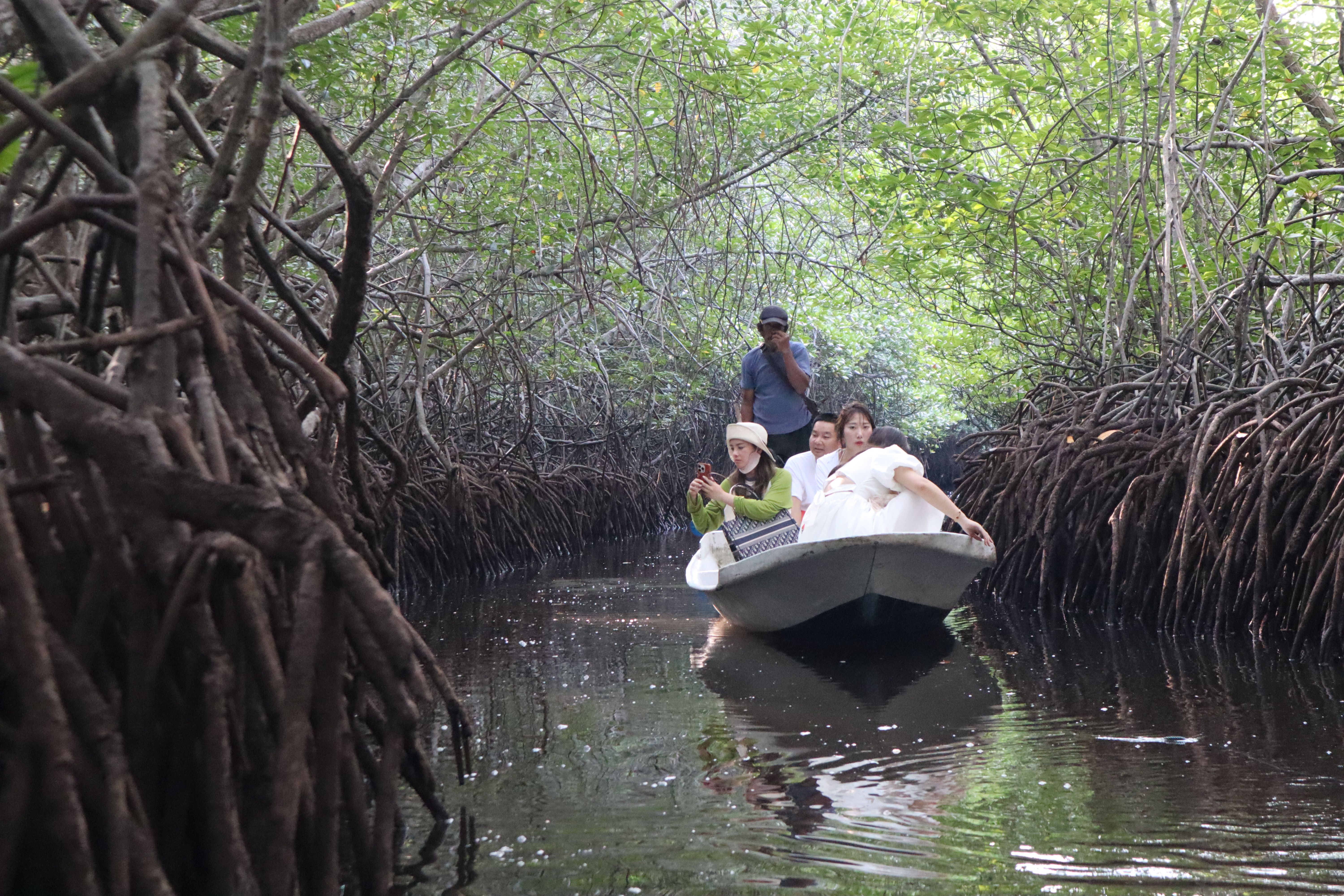
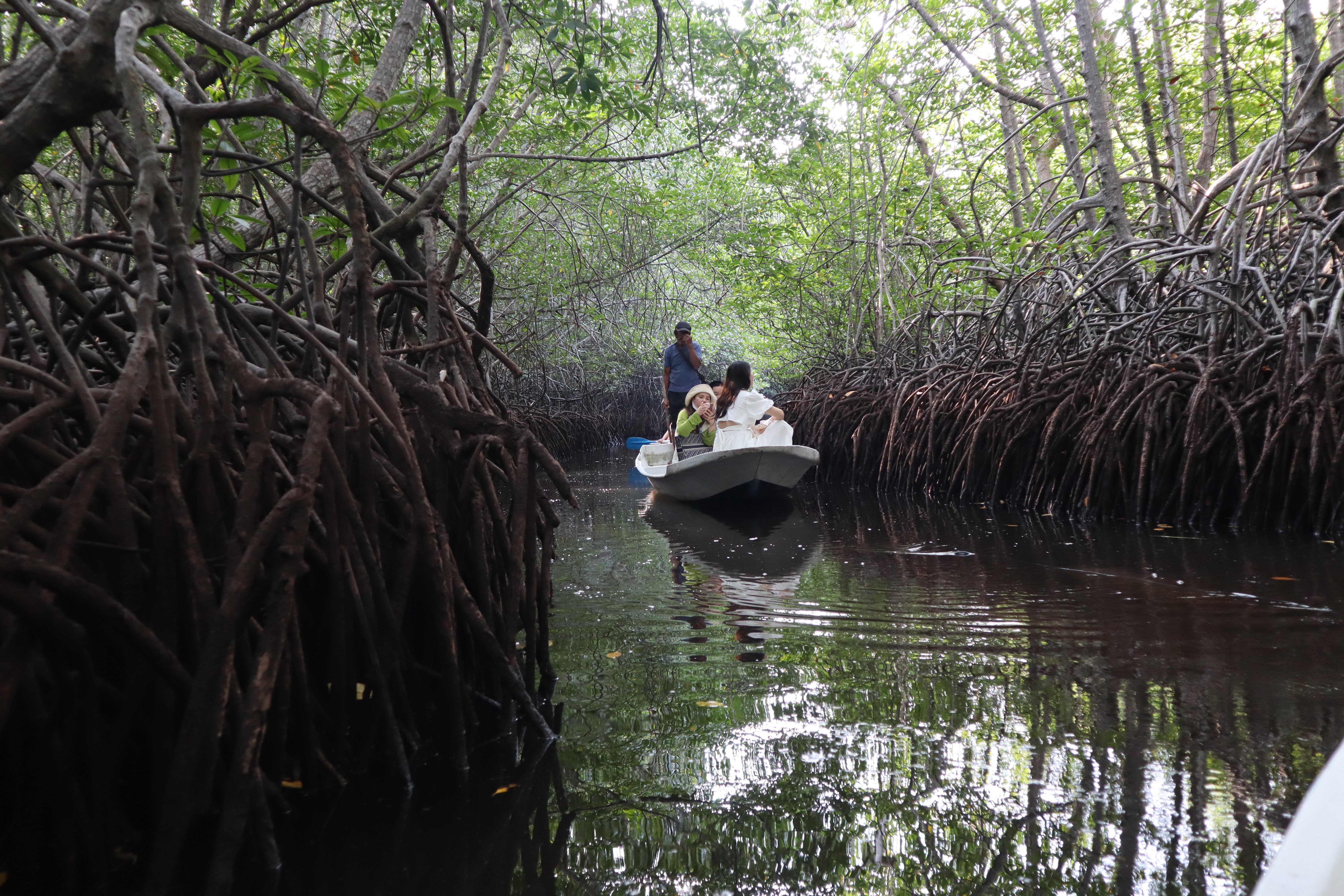
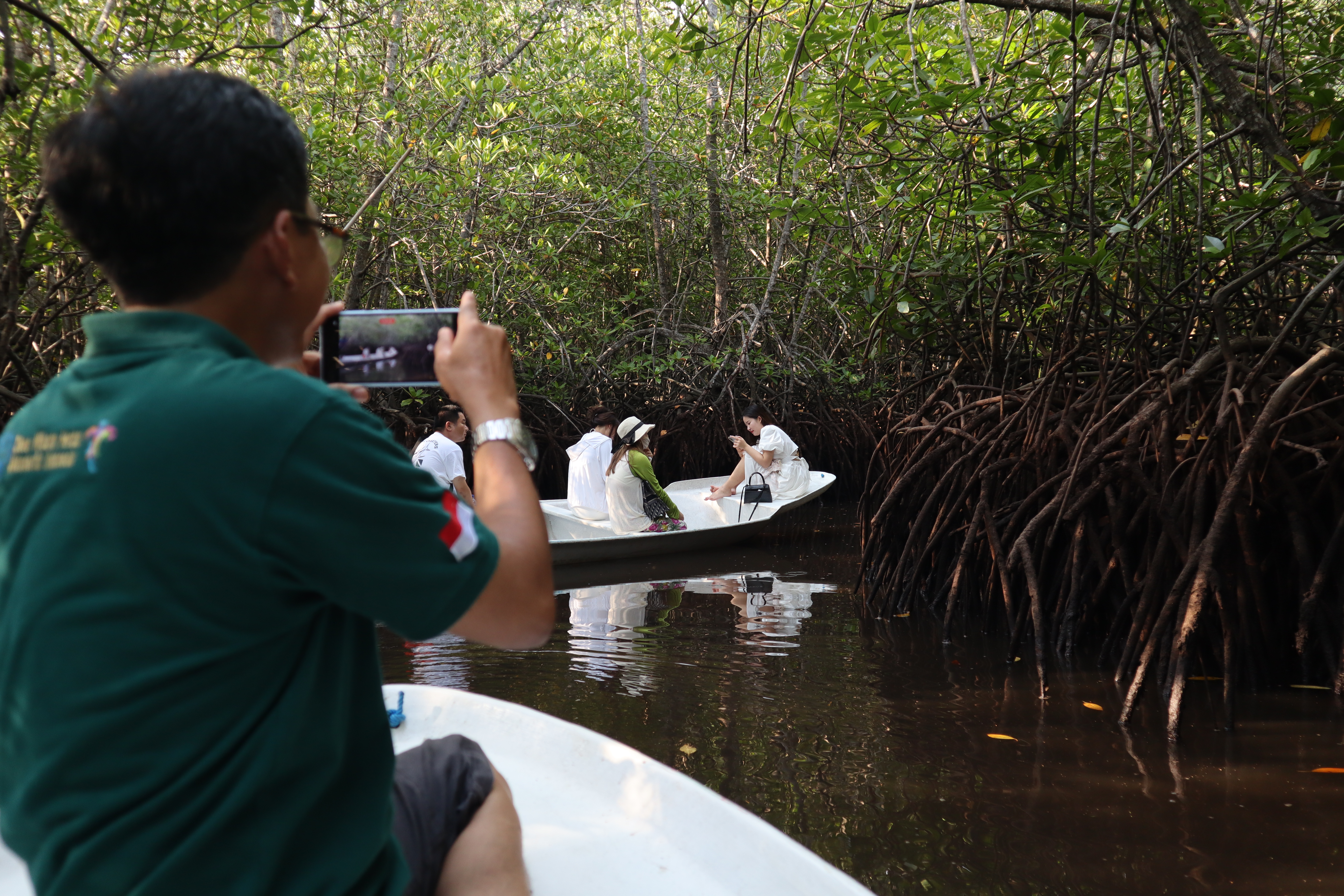
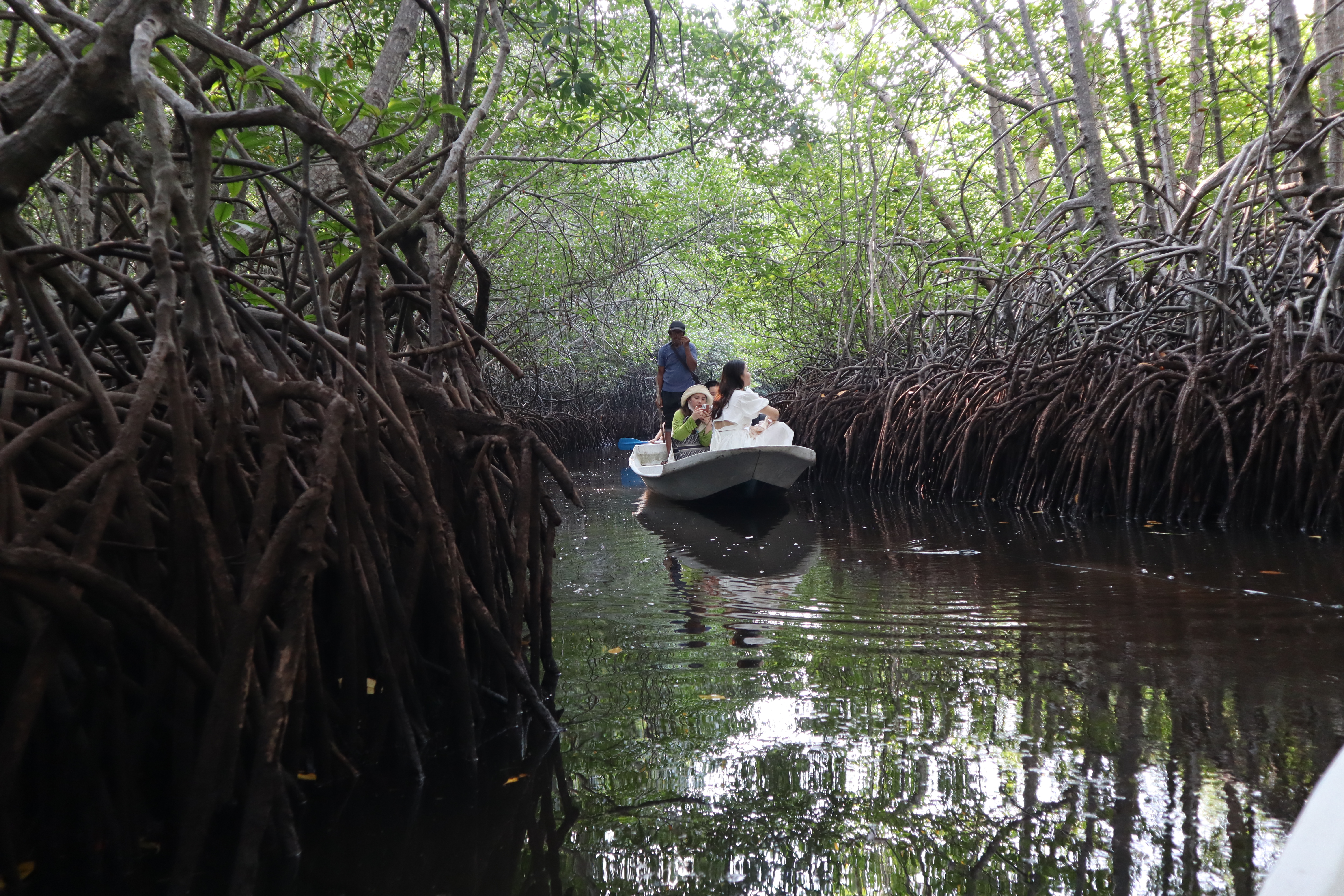
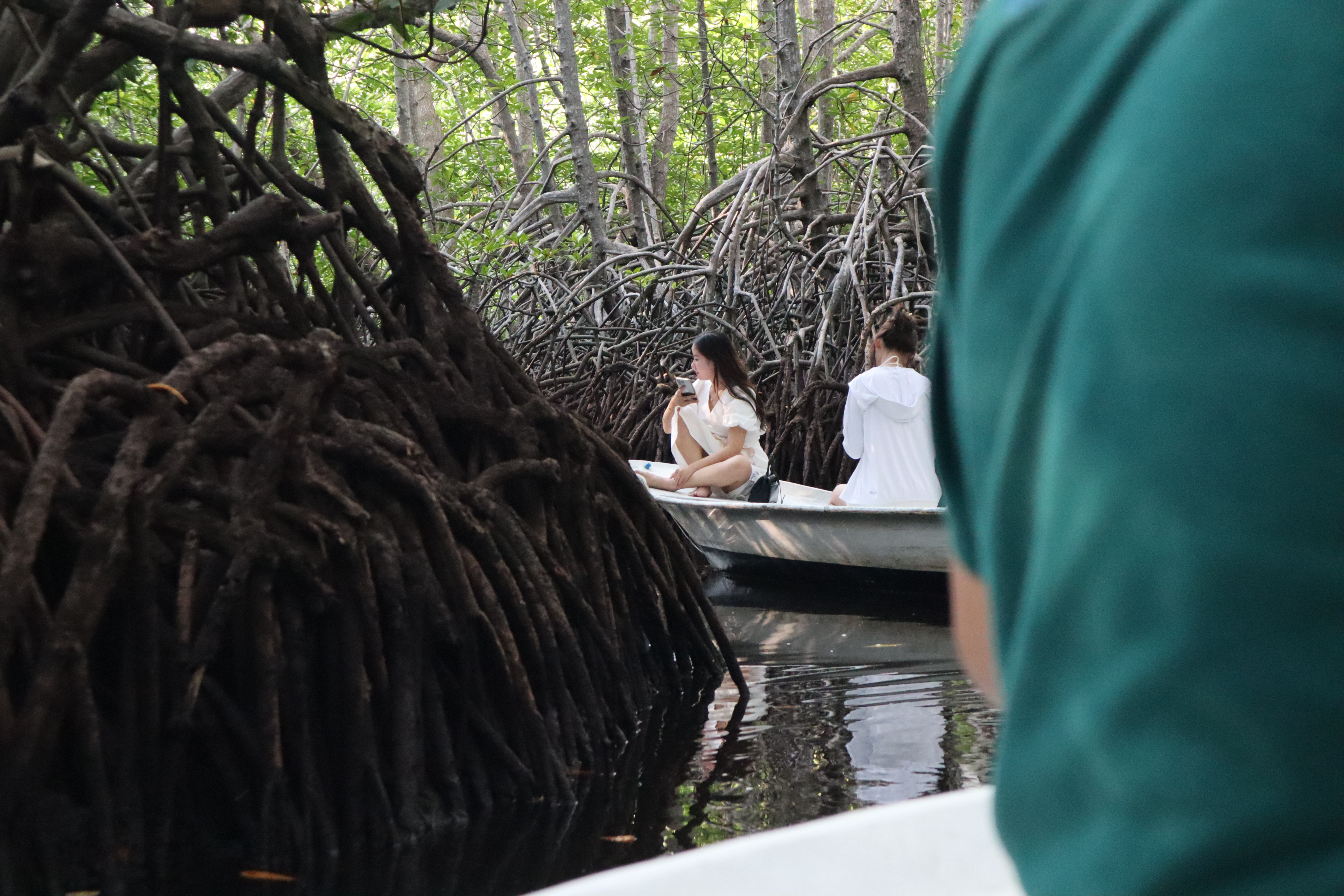
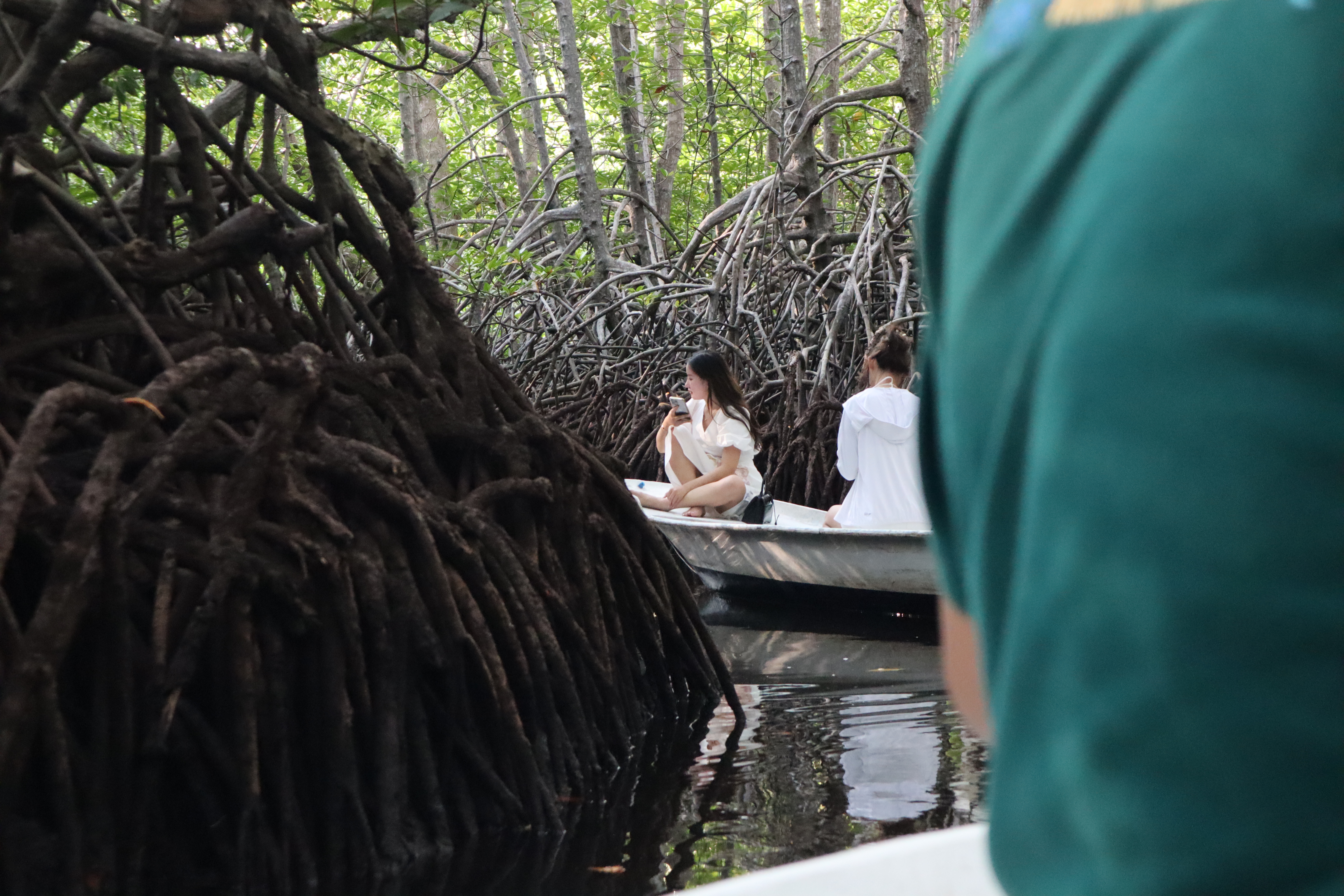
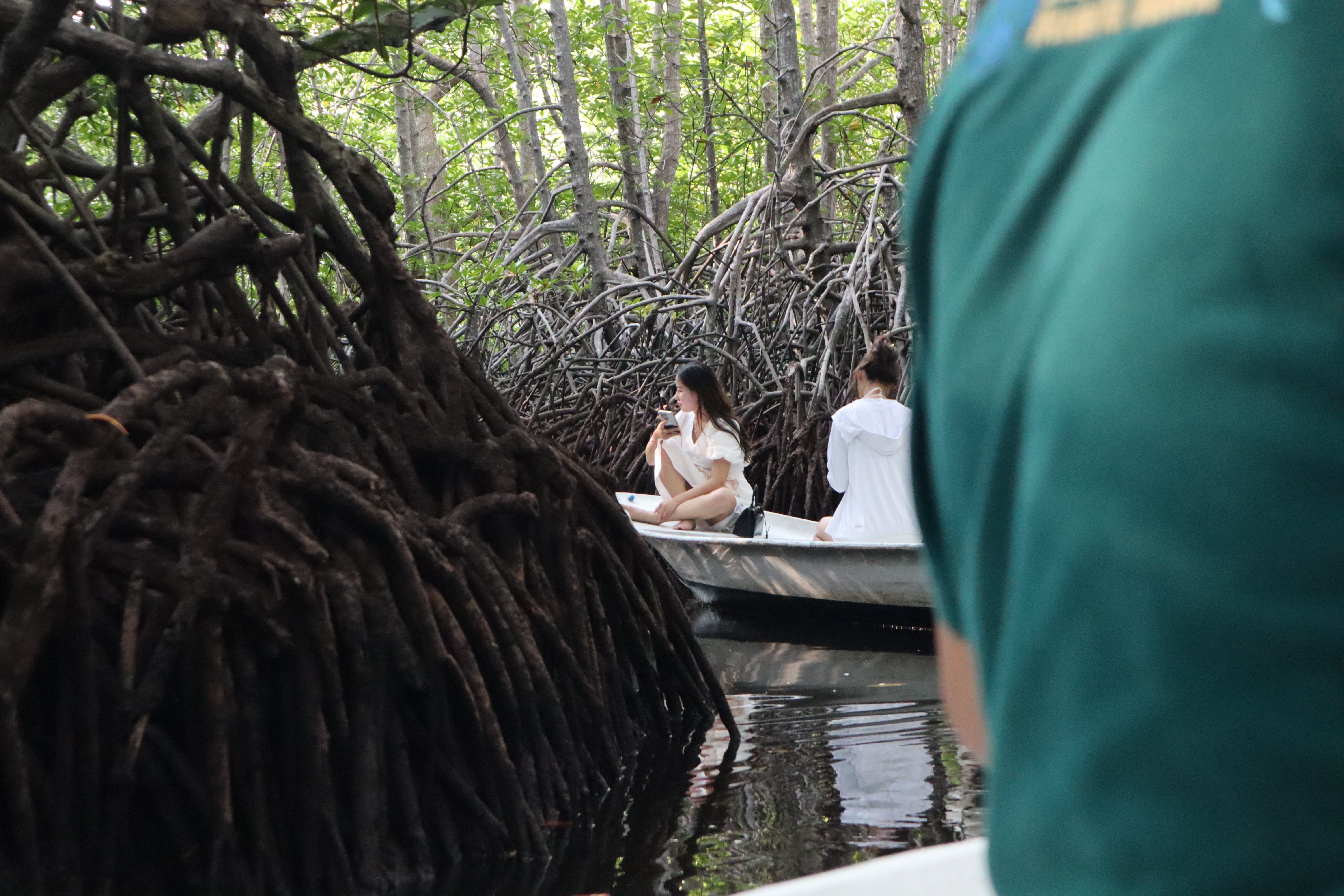
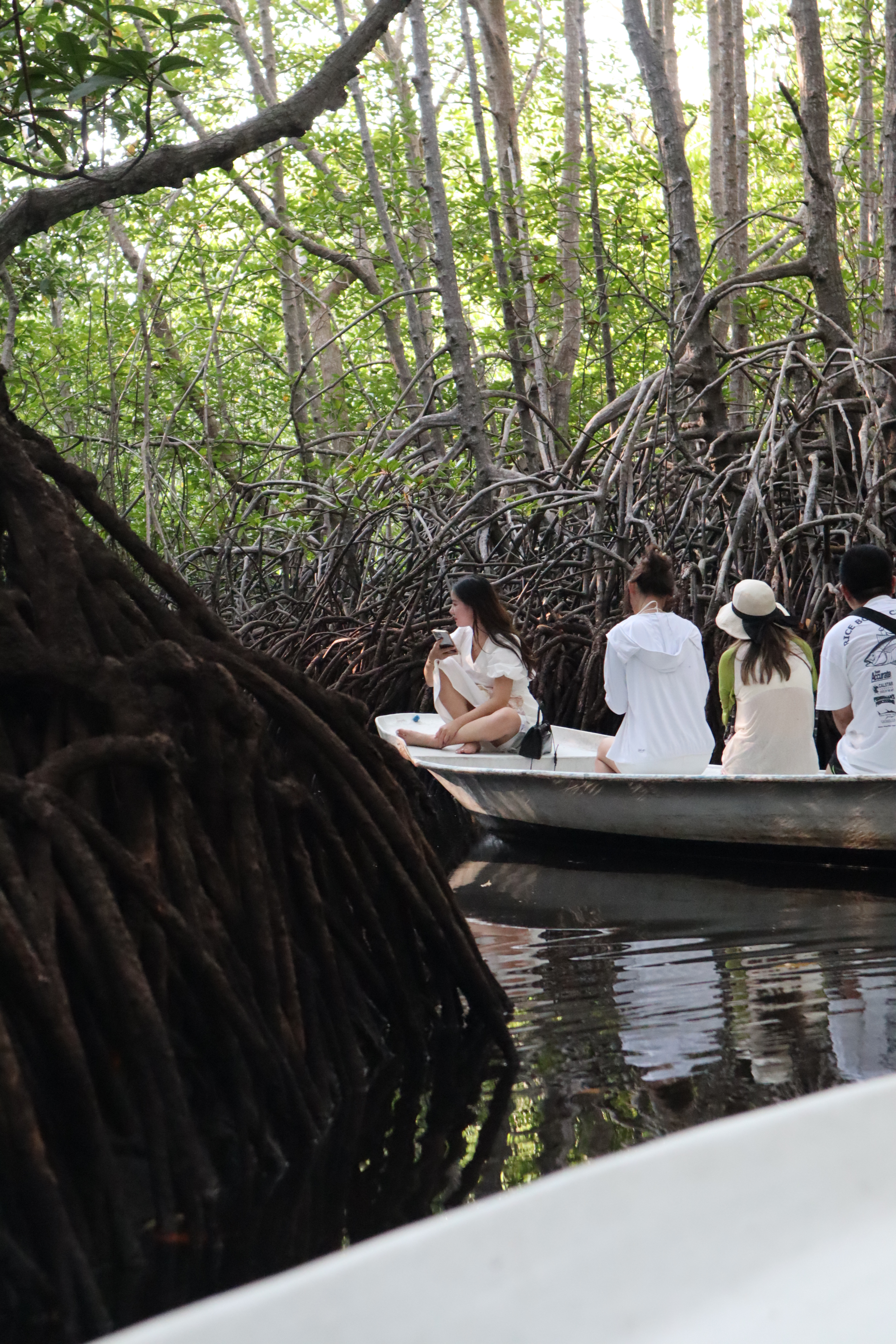
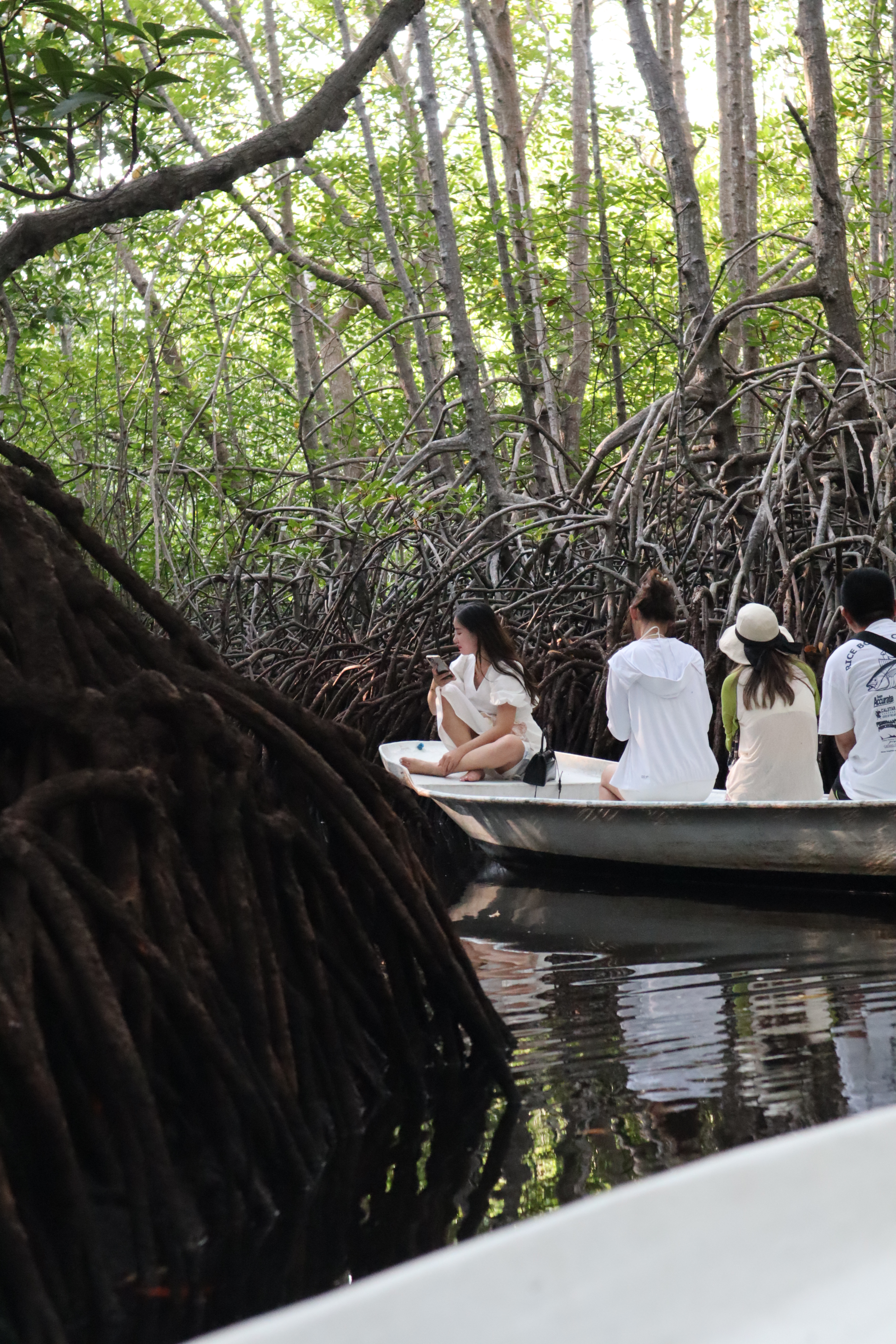
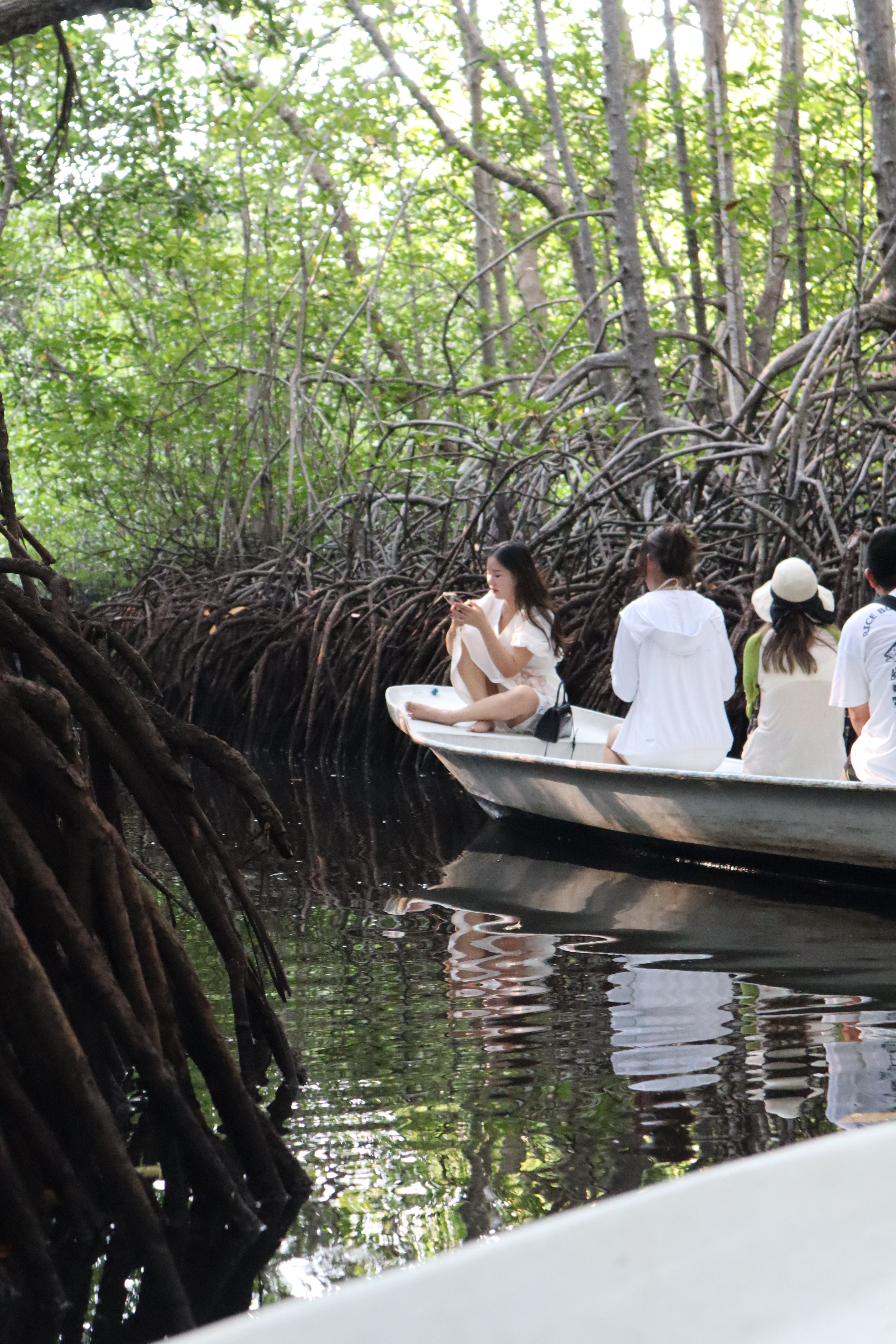
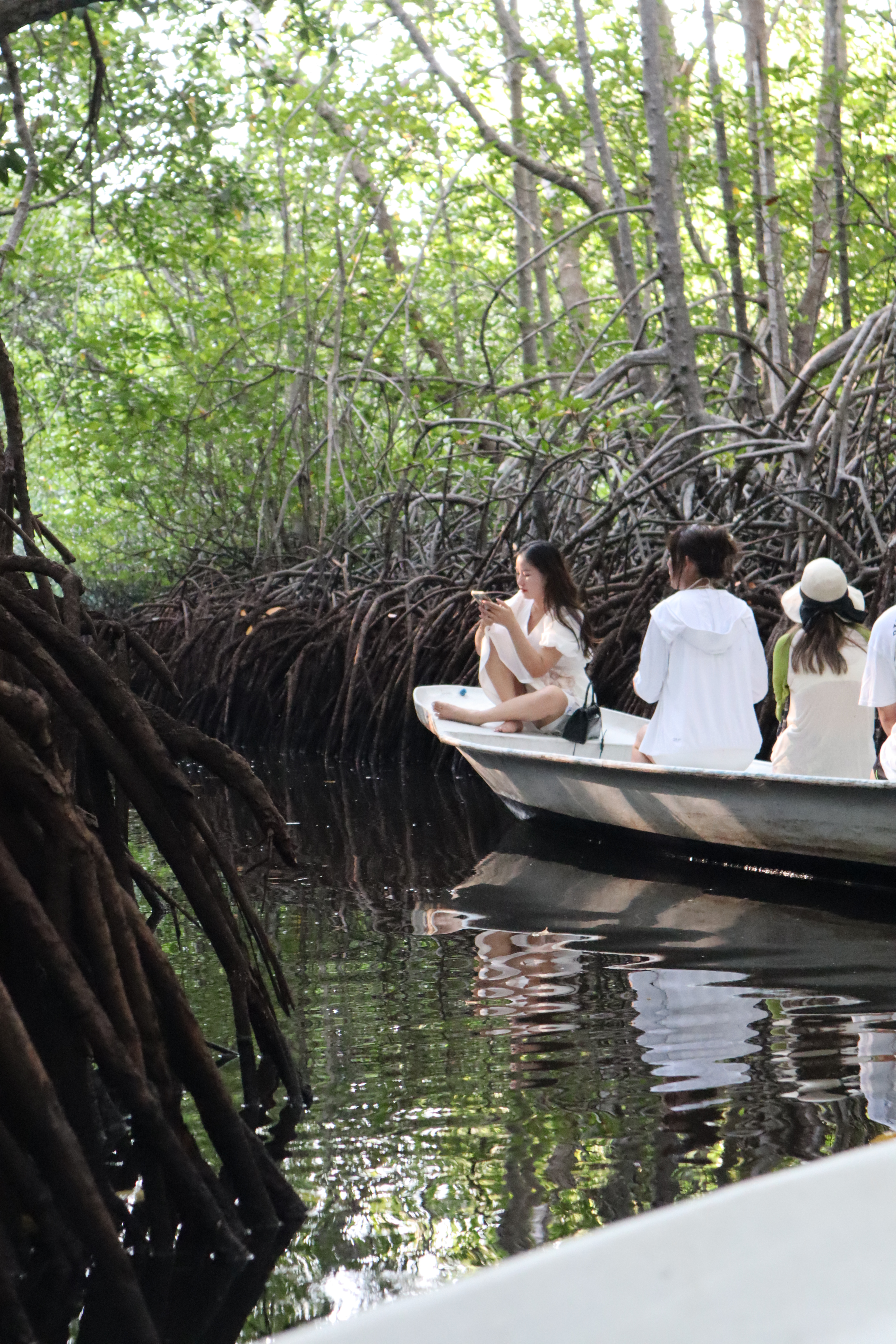
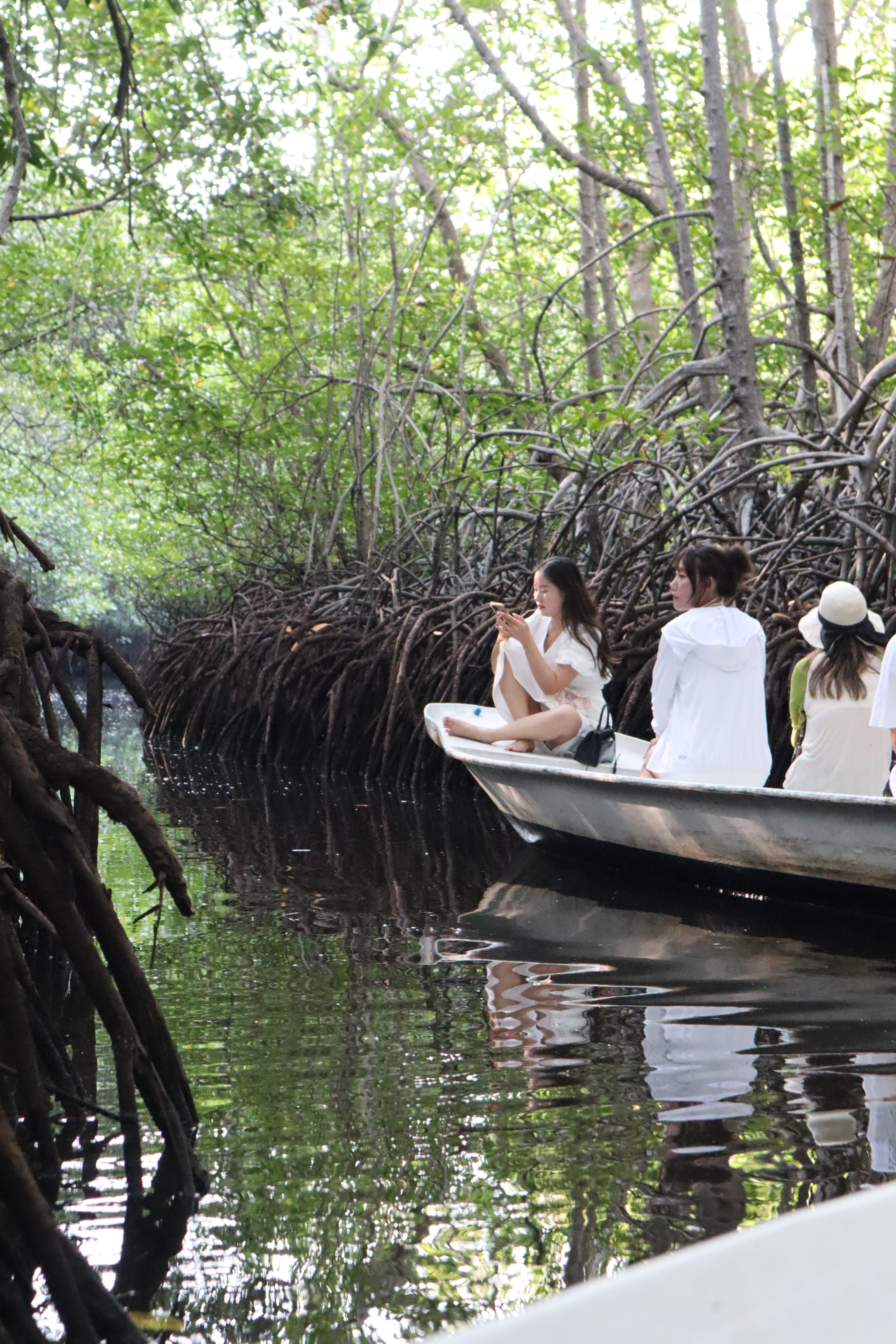
Bali has a conservation area with the 750 square km in wide. It covers savannahs, rainforest, mangrove swamps, coral reefs and Pulau Menjangan (Deer Island), a small island of the north coast. The park actually is a reflection of heaven for various animals and birds, in particular, the endangered Bali Starling. Moreover, the area actually is open for the visitors. The deer island, a home for the rare of Java deer, is also open for the visitors. Therefore, to find out about the information on the area as well as the island you will be guided with an official guide.

Bali Bird Park
Bali Bird Park is situated in Singapadu, near Batubulan. The park has 1000 different kinds of birds, including the species from Indonesia. The purpose of building the Bali Bird Park is to breed endangered species in captivity, including the indigenous Bali Mynah. Visiting in the Park, you will be impressed by the two hectares of tropical gardens and walk-in rain forest.

Image
Sangeh Monkey Forrest
It is located near the village of Sangeh and has 6 hectares in wide. The forest has the hordes of Balinese monkeys that inhabit both of trees and the temple, Pura Bukit Sari which is situated in the center of the forest. In this area, the visitors should be careful to bring the shiny objects since the monkeys are interested in them.

Bali Butterfly Park
The park is located on Batukaru street, Sandan Wanasari, Tabanan Regency. The Bali Butterfly Park is the only park in Indonesia. The park is very useful for the research for science and also as a place for preserving many kinds of butterflies from all over Indonesia.

Botanical Gardens
The Botanical Gardens were established in 1959 and have covered 120 hectares on the slopes of Gunung Pohon (Tree Mountain). The gardens themselves have a giant collection of trees, 500 varieties of orchid and are very rich in bird life. Moreover, the gardens are also a center for study of local plaints as well as places for library and a herbarium.

Bahan Kuliah Yang lainnya

"ANAK PINTAR, ORANG TUA KAYA: SIAPA MAU?"Dapatkan Soal2 Ujian Nasional: SD, SMP, SMA, SMK: hanya dengan 25 ribu saja, dan dapatkan juga nilai bisnis dengan hak reseller yang akan diberikan


Add to Technorati Favorites
  • 1. Bahan Kuliah
  • 2. Materi Pelajaran
  • 3. Bahan Ajar Sekolah Tinggi
  • 4. Bahan Ajar Universitas
  • 5. Bahan Ajar Akademi
  • 6. Bahan Kuliah Pelatihan
  • 7. Bahan Kuliah Dosen
  • 8. Bahan Kuliah Mahasiswa
  • 9. Bahan Kuliah Ekonomi
  • 10. Bahan Kuliah Pariwisata
  • 11. Bahan Kuliah benar benar gratis


  • Search 30+
    travel sites
    at ONCE!

  • Categories

  • Archives

  • Recent Posts

  • Meta

  • Top Clicks

  • Top Posts

  • Pages

  • Recent Comments

    Drs. I.B.G. Pujaasta… on Researcher
  • Blog Stats

    • 10,318 hits
  • sponsors

  • Categories

  • Hotel Combined

    HotelsCombined.com - Hotel Price Comparison